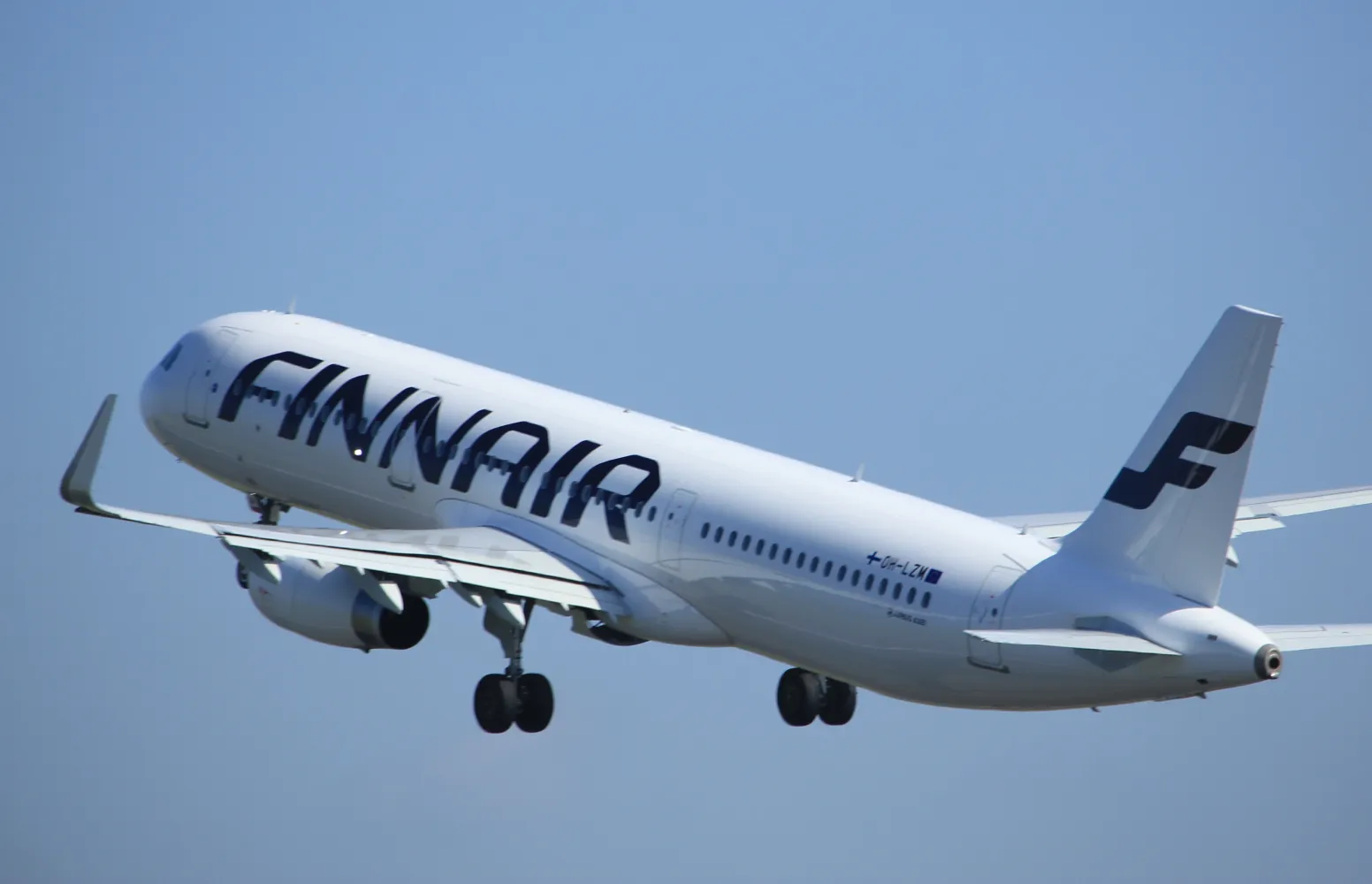
Airline compensation firm, Flightright, recently published its ranking of the best and worst carriers in Europe in 2025. It found the Finnish flag carrier, Finnair, to be the worst in Europe, trailing closely behind Ryanair and Vueling. The ranking comes as a surprise, especially as airline awards specialist, SkyTrax, placed the company 25th in the world, making it one of the best in Europe.
According to the 2025 Flightright Index, Finnair scored 2.48 out of 5, placing last among 20 European airlines. The worst score came in the reliability category, where Finnair earned only 1.5 points due to cancellations and delays.
However, industry peers and analysts aren’t accepting the result at face value.
Why Finnair’s Ranking Raises Questions
Flightright assessed airlines by three criteria: reliability (how many flights are delayed or cancelled), payment behaviour for compensation, and customer satisfaction. Other airlines scored in a similar fashion in reliability or payment, but many picked up higher marks in satisfaction or compensation. For example, despite reliability issues, airlines like Ryanair and Vueling still beat Finnair, thanks to better scores in compensation or satisfaction.
Compared to broader, more established rankings like Skytrax, Finnair still holds a relatively strong position. Skytrax awards it a 4-Star rating, and consistently names it Best Airline in Northern Europe (among other awards).
But many have questioned the sample size itself. The firm says that it was analyzing the 20 "largest" airlines in Europe. If that is the case, then it is not clear why Finnair was picked up, since the carrier is not in the top 20 European airlines by fleet size, passenger numbers, or average daily flights. Similarly, larger airlines, like ITA Airways, were not included, even though they are larger than Finnair.
The Full Picture
So, what caused Finnar’s low reliability score? It can be due to the operational challenges that have hit the carrier in recent months. This year, the airline saw significant flight cancellations (over 1,300 flights in Q2) due to strikes involving ground staff under IAU (Aviation Union), pilots, and others. These strikes led to missed flights, late notices, and cancellations close to departure, causing reliability metrics to drop sharply. The airline has also been under financial duress. Strikes and longer flights increased costs. The first quarter of 2025 operating loss deepened, in part driven by labour disputes (€22 million negative impact). There is also reduced volume on Asia-Europe transfers via Helsinki.
But do recent setbacks fully explain the airline’s sharp decline in Flightright’s ranking? Despite the flight disruptions, Finnair said that it operated 94 percent of scheduled flights during the strike period. However, the volume of customer complaints indeed reached unprecedented levels, with thousands facing delays in refunds and compensation.
Still, several caveats make the “worst airline” tag seem overstated.
Finnair Still Shines in Service
While customer satisfaction may lag reliability, Finnair still outperforms many budget carriers in product quality, service standards, cabin experience, and in-flight amenities. Skytrax’s 4-star recognition implies high standards in those areas. In fact, in Northern Europe, the airline has consistently been voted “Best Airline” in broader satisfaction surveys.
The strikes were also not isolated but stretched over months, affecting many flights. Some of those disruptions were announced in advance or tied to clear labour issues. That still counts in reliability statistics, but it may exaggerate a “baseline” reliability issue when things are calm. Reddit threads and SimpleFlying commentary note that when labour action eases, reliability improves.
Seasonal factors, peak travel periods, weather, and downstream supply chain issues worsen delays and cancellations. The Flightright Index partly covers periods with active industrial action and the worst phases of disruption. This means that if the survey had covered a more stable period, scores might differ.
Enjoying the article?
Follow us and never miss an update on the aviation industry.
Beyond the Score: What Matters More
What are the takeaways from the recent ranking? For one, it is important to understand how labour relations, route changes, and external constraints feed into reliability. Another point of note is that metrics that gauge reliability may be heavily impacted by factors outside immediate operational control, such as labour agreements, geopolitical constraints, and fuel cost volatility. In seeking jobs, candidates should assess airline performance over multiple reports, not just a single index.
Different indices measure different areas of operationality. For quality, product, and service roles: Finnair remains strong. Awards like Skytrax show that customer-touch services, cabin experience, and amenities remain well-rated. That may help in hiring and brand strength.
Finnair’s position at the bottom of the Flightright Index captures a difficult moment. But it does not erase years of solid performance elsewhere, or the severe external pressures that pushed its reliability figures down sharply. For many in aviation, the “worst airline” label rings alarm bells - or offers lessons - but it looks less like a fair verdict than a snapshot of one turbulent period.