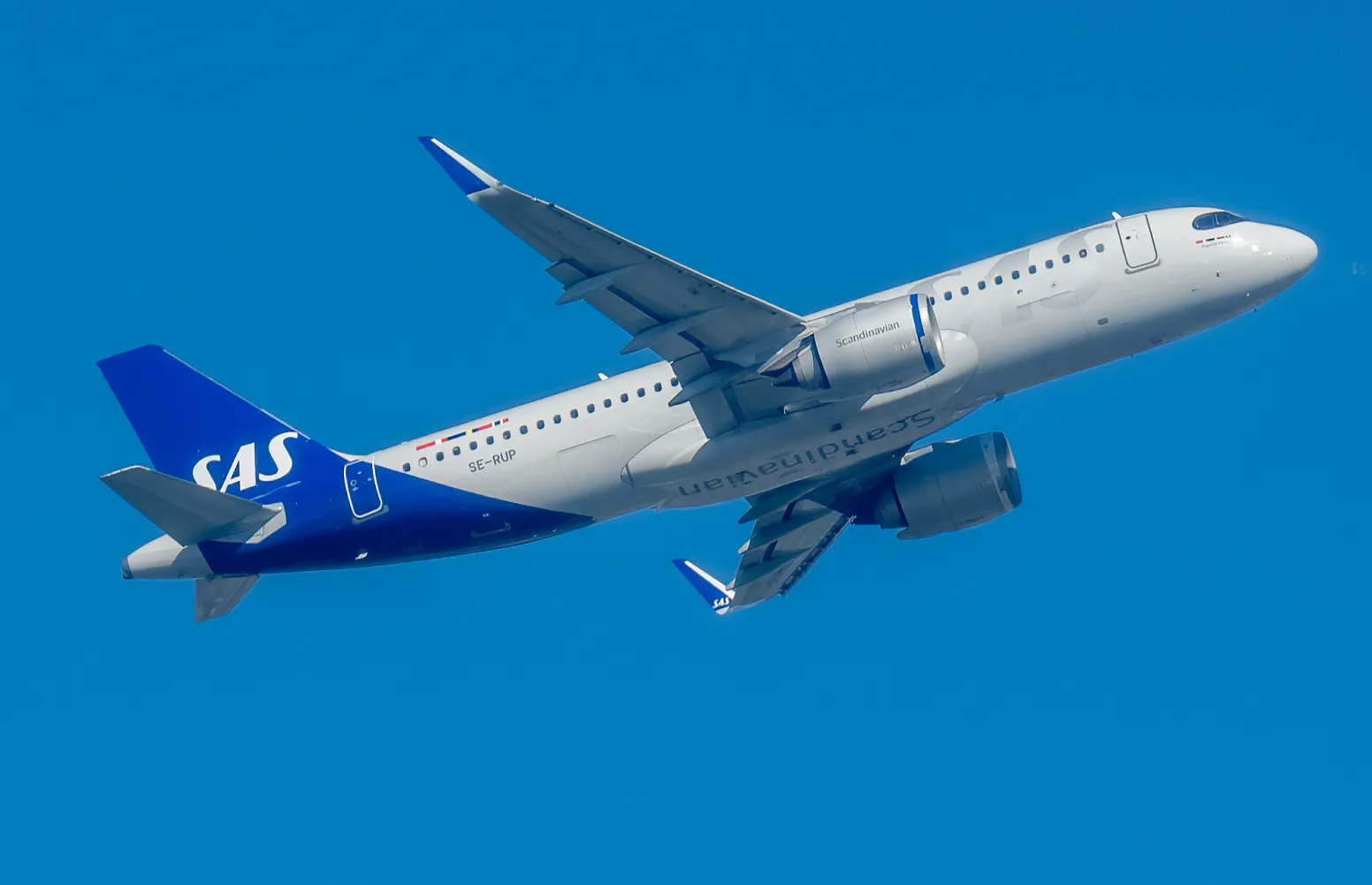
Scandinavian Airlines (SAS) has placed an order for 40 Airbus A330 widebody aircraft in a fleet renewal programme valued at around $10 billion (£7.4 billion, €8.6 billion). The agreement is the largest aircraft order in the airline's history and marks a major investment in its long-haul operation as it prepares for future growth across Europe, North America, and Asia.
The order includes 18 Airbus A330neo aircraft, with the remaining aircraft forming part of a wider acquisition programme that will support the airline's long-term fleet strategy. The new A330neo fleet will be powered by Rolls-Royce Trent 7000 engines, giving SAS access to improved fuel efficiency, lower operating costs, and reduced emissions compared with older widebody aircraft.
For aviation professionals, the announcement reflects a continued shift towards fleet renewal among established network carriers. Modern aircraft are becoming central to airline planning, driven by operating economics, environmental targets, and passenger expectations. For those entering the industry, the agreement also signals future demand across engineering, flight operations, cabin services, and maintenance.
Largest Aircraft Order in SAS History
The order represents a significant milestone for SAS, which has spent recent years reshaping its business following financial restructuring and changes to its ownership. Investment in new aircraft forms part of the airline's long-term strategy to strengthen its position in the Scandinavian market while expanding its international network.
Replacing older aircraft with new-generation widebodies allows the airline to improve efficiency across its long-haul operation. Modern aircraft consume less fuel, require fewer unscheduled maintenance events, and offer greater operational flexibility. Those factors become increasingly important as airlines work to control costs while meeting environmental commitments.
The scale of the agreement also provides SAS with greater certainty over fleet planning during the coming decade. Long delivery schedules mean airlines often place aircraft orders many years before entering service, allowing route development and crew planning to progress alongside fleet expansion.
Why the Airbus A330neo Matters
The Airbus A330neo has become an important option for airlines seeking a modern twin-engine widebody without moving to larger aircraft such as the Airbus A350.
Available in two variants, the A330-800 and A330-900, the aircraft builds on the proven A330 platform while introducing new Rolls-Royce Trent 7000 engines, aerodynamic improvements, and an updated wing design. Airbus has also incorporated a redesigned cabin, offering greater passenger comfort alongside increased efficiency for operators.
The A330neo delivers a notable reduction in fuel burn compared with previous-generation A330 aircraft. Lower fuel consumption contributes directly to lower operating costs and reduced carbon dioxide emissions, making the aircraft attractive for airlines replacing ageing fleets.
An extended range also allows carriers to operate long-haul services across a wide variety of markets without requiring a larger aircraft. That flexibility supports route planning, particularly where passenger demand may not justify the capacity offered by larger widebody types.
Rolls-Royce Trent 7000 Engines
Each of the 18 A330neo aircraft ordered by SAS will be powered by Rolls-Royce Trent 7000 engines.
The Trent 7000 was developed specifically for the A330neo and combines technology from the Trent 1000, used on the Boeing 787, and the Trent XWB, which powers the Airbus A350. The engine offers improved fuel efficiency, lower noise levels, and reduced emissions compared with previous engine options fitted to earlier A330 models.
Engine selection plays a major role in airline operating costs across the lifespan of an aircraft. Fuel remains one of the largest expenses for any carrier, making efficiency gains valuable across large fleets operating long-haul schedules.
For maintenance organisations, the growing Trent 7000 fleet also creates continued demand for specialist engineering expertise, component support, and overhaul capability throughout the aircraft's service life.
Supporting Future Network Growth
SAS has stated that the aircraft will support continued growth across its international network while replacing older aircraft reaching retirement age.
The airline serves destinations throughout Europe while maintaining long-haul services linking Scandinavia with North America and Asia. Fleet renewal provides opportunities to increase frequencies on established routes, improve reliability, and introduce new destinations where market conditions support expansion.
Widebody aircraft remain central to network airlines operating intercontinental services. Their cargo capacity also contributes valuable revenue alongside passenger operations, particularly on routes serving major business centres.
Modern aircraft can also improve schedule resilience. Increased reliability reduces technical delays and allows airlines to maintain stronger operational performance during busy travel periods.
Fleet Renewal Across the Airline Industry
The SAS announcement reflects a wider trend across the commercial aviation sector. Airlines continue replacing older aircraft with new-generation models designed to reduce operating costs while improving environmental performance.
Manufacturers such as Airbus and Boeing have seen sustained demand for fuel-efficient aircraft despite production challenges affecting deliveries across the industry. Airlines placing orders today may wait several years before receiving their aircraft due to extensive order backlogs.
Fleet renewal programmes frequently combine aircraft replacement with network growth. New aircraft often provide improved economics on existing routes while opening opportunities for services that may previously have been commercially difficult.
Environmental performance has become an important factor in purchasing decisions. Modern engines, lighter materials, and aerodynamic improvements allow airlines to reduce emissions per passenger while lowering fuel consumption across long-haul operations.
Fleet Expansion and Aviation Careers
Large aircraft orders often create employment opportunities across multiple aviation disciplines. New aircraft entering service require additional pilots, cabin crew, engineers, maintenance technicians, dispatchers, and operational support staff. Pilots moving onto new aircraft types complete type rating training before entering scheduled operations. Cabin crew also receive aircraft-specific instruction covering emergency procedures, cabin equipment, and passenger service.
Engineering teams require training covering aircraft systems, avionics, structures, and powerplants. Maintenance organisations supporting the A330neo will also invest in specialist tooling, technical publications, and approved training programmes.
Ground operations are affected as well. Dispatch teams, load controllers, and airport handling staff receive updated procedures to support new aircraft entering service. Manufacturers, suppliers, and engine support providers also benefit from major fleet orders through production, logistics, technical support, and aftermarket services. For those beginning an aviation career, announcements of this scale provide an indication of future recruitment activity across airlines and aerospace companies. Aircraft deliveries extend over several years, creating ongoing demand rather than a short-term increase in hiring.
Passenger Experience
The Airbus A330neo introduces several improvements designed to enhance passenger comfort during long-haul flights. Airbus has developed the Airspace cabin concept for the aircraft, featuring larger overhead storage bins, updated lighting systems, and quieter cabin conditions. Improved cabin pressurisation and humidity levels contribute to passenger comfort during extended flights.
Modern in-flight entertainment systems, connectivity options, and redesigned seating layouts allow airlines greater flexibility when configuring premium and economy cabins. For SAS customers, the arrival of the new aircraft is expected to provide a more consistent long-haul product as older aircraft leave the fleet.
Enjoying the article?
Follow us and never miss an update on the aviation industry.
Long-term Investment
Aircraft purchases represent some of the largest investments made by any airline. A programme valued at around $10 billion (£7.4 billion, €8.6 billion) requires years of planning covering financing, training, maintenance, support, and operational integration.
Delivery schedules are expected to extend across several years, allowing SAS to introduce aircraft gradually while retiring older types. This approach helps maintain operational stability while reducing disruption across the airline's network.
The order also strengthens Airbus' position within the long-haul market and adds further support for the A330neo programme, which continues attracting airlines seeking efficient widebody aircraft suited to medium and long-haul routes.
For SAS, the investment signals confidence in future demand for international travel and reinforces the airline's commitment to operating a modern fleet. As deliveries begin, the new aircraft will become a visible part of the carrier's long-haul network while supporting employment across flight operations, engineering, maintenance, and airport services for many years.