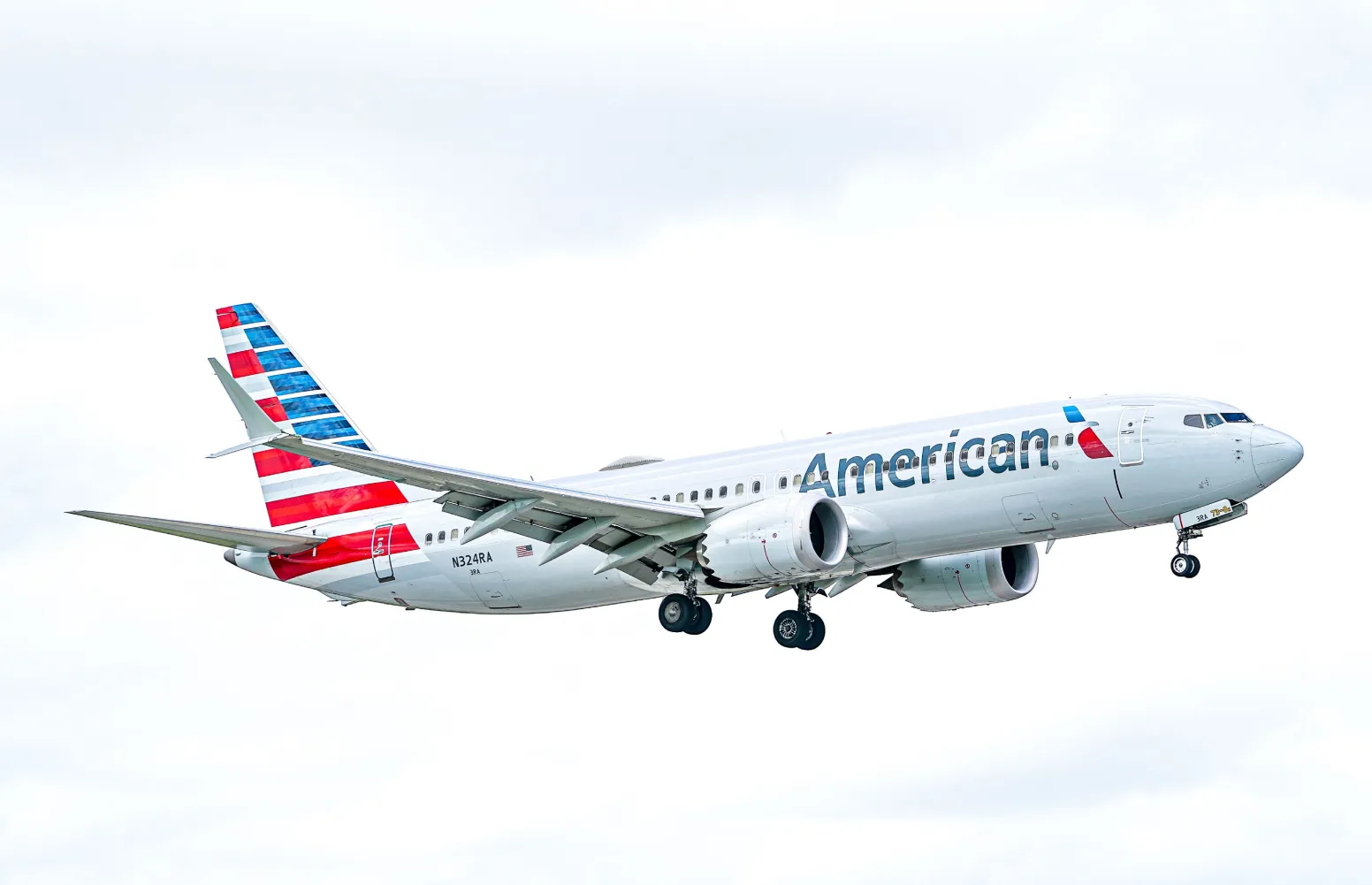
American Airlines is expanding its international network for 2026 with the addition of 13 new routes linking its hubs across the United States with destinations in Europe, Canada, the Caribbean and South America. The schedule includes a mix of year-round and seasonal services, reflecting demand across leisure and business markets while strengthening connectivity through the carrier's largest bases.
The new services vary considerably in distance, aircraft assignment and operating frequency. Some are short cross-border flights into Canada, while others involve long-haul operations across the Atlantic. Together, they represent another step in American Airlines' effort to strengthen its position in international markets while making greater use of its domestic hub network.
For aviation professionals, the expansion highlights continued confidence in international demand and provides a useful indication of where capacity growth is expected during 2026. Flight crews, engineers, dispatchers, airport teams and ground handling providers are all likely to see increased activity as these routes enter service.
A Network Built Around Major US Hubs
The additional services are spread across several American Airlines hubs rather than being concentrated at a single airport. This approach allows the airline to serve a wider range of markets while giving passengers more connection options from across North America.
Major hubs such as Dallas Fort Worth, Charlotte, Chicago O'Hare, Miami and Philadelphia continue to play an important part in the airline's long-haul strategy. Each airport offers extensive domestic feed, allowing passengers from smaller cities to connect onto international departures with relatively short transfer times.
Using multiple hubs also helps the airline match aircraft size and schedule frequency with local demand. Some routes can support daily operations throughout the year, while others perform better during seasonal travel peaks.
The latest additions continue that pattern, with frequencies ranging from a handful of weekly flights through to daily services.
Growth Across Europe
Europe remains one of American Airlines' strongest international markets, particularly during the summer season when demand rises across leisure and premium travel segments.
Several of the new routes announced for 2026 strengthen the airline's transatlantic offering by adding services between the United States and European destinations that continue to attract strong passenger numbers.
These flights will complement existing services while giving travellers more choice over departure airports and connection opportunities. The network also strengthens cooperation with partner airlines across Europe, allowing onward travel through major European gateways.
Long-haul European routes require careful planning, particularly around aircraft utilisation and crew scheduling. Widebody fleets must maintain high daily utilisation while allowing sufficient maintenance windows and operational flexibility. Route selection therefore reflects more than passenger demand alone, with aircraft availability, airport infrastructure and connection opportunities all influencing network planning.
Canada Receives Additional Links
The expansion is not limited to long-haul flying. American Airlines is also increasing its presence in Canada through new cross-border routes connecting US hubs with Canadian cities.
These shorter sectors provide valuable connectivity for business travellers, tourists and passengers transferring onto longer international services. Cross-border routes also help strengthen hub performance by feeding additional traffic into long-haul departures.
Regional aircraft may operate some of these services, while others are expected to use narrowbody fleets depending on expected passenger volumes and seasonal demand.
For airport operations teams, these flights require coordination across customs and immigration facilities, making efficient terminal processes an important part of successful route launches.
Continued Focus on the Caribbean
The Caribbean remains one of American Airlines' largest leisure markets, supported by strong demand throughout much of the year. Several of the new routes for 2026 expand access to popular island destinations from key US hubs.
These services are expected to appeal to holiday travellers seeking direct flights while also supporting visiting friends and relatives traffic, which remains an important market across the region.
Many Caribbean routes experience seasonal fluctuations, particularly around school holidays and winter travel periods. Airlines often adjust frequency to reflect these changes, increasing capacity when demand rises and reducing services during quieter months.
American Airlines has developed extensive experience across Caribbean operations, with Miami continuing to serve as one of the airline's primary gateways into the region.
Additional Service into South America
South America also features in the airline's latest expansion plans, adding further international connectivity from the United States into markets where demand has continued to recover. Routes into South America often combine leisure, business and visiting friends and relatives traffic, producing varied demand throughout the year. These services also strengthen links between major commercial centres while supporting tourism across several countries.
Operating flights into South America presents different planning requirements compared with transatlantic routes. Flight times vary considerably depending on destination, weather conditions can differ across regions, and airport operating environments often require tailored operational planning.
The additional services provide American Airlines with another opportunity to strengthen its position against competing carriers already serving these markets.
Route Length Shapes Aircraft Deployment
One of the more interesting features of the 2026 expansion is the variation in route length.
Short sectors into Canada require very different aircraft and operating models compared with overnight flights into Europe or longer services to South America. American Airlines therefore relies on a varied fleet that includes regional aircraft, narrowbody types and widebody aircraft.
Aircraft allocation depends on several factors, including expected passenger numbers, cargo demand, airport performance restrictions and available fleet capacity. Widebody aircraft assigned to European services generally provide larger premium cabins, greater cargo capability and increased passenger capacity. Narrowbody aircraft remain suitable for shorter international routes where lower operating costs support stronger route economics. Matching aircraft size to demand remains one of the most important elements of successful network planning.
Frequency Reflects Market Demand
The 13 new routes are not being introduced with identical schedules. Some destinations will receive daily flights, while others will operate several times each week. Variable frequency allows airlines to test demand without committing unnecessary aircraft resources. Markets with strong booking performance can often receive additional flights in later schedule updates, while seasonal routes may operate only during periods of higher demand.
This flexibility has become increasingly important as airlines continue refining network performance using booking trends, historical passenger data, and operational planning models. Rather than treating every new destination in the same way, American Airlines appears to be matching schedules with expected market demand across each route.
Opportunities Across the Aviation Workforce
Network growth of this scale creates activity across a wide range of operational departments. Flight crew requirements increase as additional aircraft rotations enter the schedule. Cabin crew rosters expand alongside them, particularly where new long-haul services require augmented crews for extended duty periods.
Maintenance planning also becomes more demanding as aircraft utilisation changes across the fleet. Engineering teams must balance scheduled maintenance with growing operational commitments while maintaining dispatch reliability. Ground handling providers, airport operations staff, dispatchers, load control teams and customer service personnel all contribute to successful route launches. New international services often require additional training covering airport procedures, local regulations and operational requirements.
Recruitment activity does not always match route announcements directly, though network expansion generally supports additional employment across multiple operational areas over time.
For those entering aviation careers, these developments underline how route growth extends well beyond pilots and cabin crew. Planning departments, engineering organisations, airport operators and airline operations centres all play important roles in bringing new services into operation.
Enjoying the article?
Follow us and never miss an update on the aviation industry.
Strengthening Competitive Position
International competition remains strong across North America, with airlines continuing to adjust schedules as demand shifts between regions. Adding services across Europe, Canada, the Caribbean and South America allows American Airlines to strengthen its network while giving passengers more options from existing hubs.
The mix of short-haul and long-haul routes also spreads operational risk across different markets rather than relying heavily on a single region. Seasonal leisure destinations, business routes and visiting friends and relatives markets each contribute differently throughout the year, supporting more balanced network performance.
The latest schedule reflects a measured expansion rather than rapid capacity growth, with frequencies and aircraft selected according to expected demand across individual markets. As these 13 routes begin operating during 2026, they will expand the airline's international reach while reinforcing the importance of its hub structure across the United States. For the aviation industry, the announcement offers another indication that international network development remains a priority, creating additional flying, operational activity and employment opportunities across several parts of the sector.