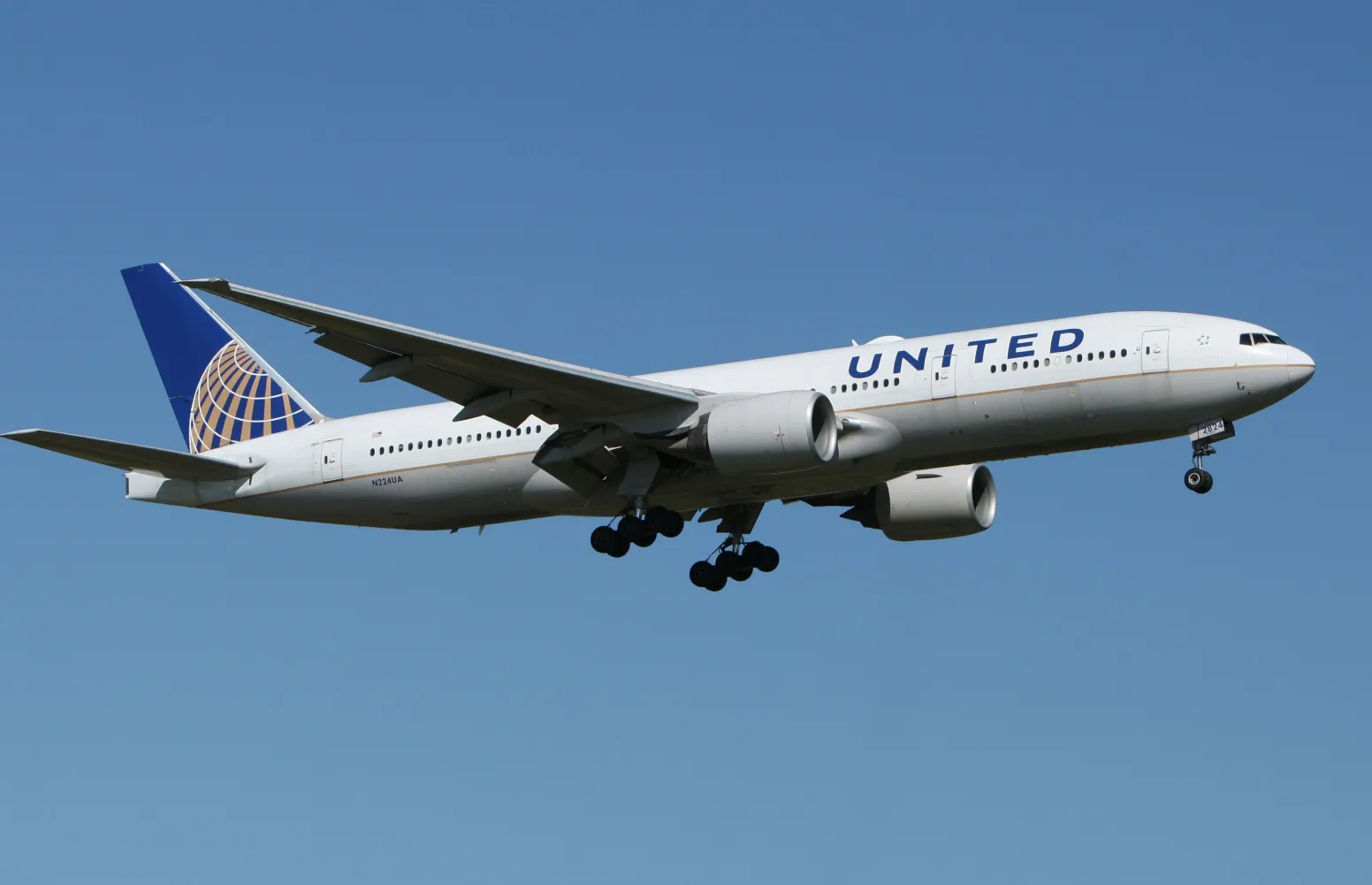
United Airlines will face a proposed class action lawsuit after a US court refused the carrier's request to dismiss claims brought by passengers who paid extra for window seats, only to discover there was no window beside their allocated seat.
The legal case centres on passengers who say they selected and purchased seats advertised as window seats, expecting an unobstructed outside view during their journey. After boarding, they found themselves seated beside a blank section of the aircraft fuselage, where structural elements or cabin design meant no window was fitted.
The court's decision does not determine whether United Airlines is liable, though it allows the case to continue through the legal process. That development has attracted attention across the airline industry, raising questions about seat selection, customer expectations, and how airlines present cabin layouts during the booking process.
The Window Seat Dispute
Paid seat selection has become an established source of revenue for airlines across the world. Passengers routinely pay extra to secure seats offering additional legroom, priority boarding, quicker access to the aircraft doors, or a preferred position within the cabin. Window seats have also become a premium choice, particularly on longer flights where many travellers value outside views during departure, cruising, and landing.
The passengers bringing the lawsuit argue that paying for a window seat created a reasonable expectation that a window would be available. Their complaint states that the product they purchased did not match what was provided once they reached their assigned seat.
United sought to have the lawsuit dismissed before it reached trial, arguing that the claims should not proceed. The court rejected that request, allowing the case to move forward for further examination. That ruling has placed renewed attention on how airlines describe seating products during ticket sales and whether seat maps accurately reflect the passenger experience.
The Issue at the Centre
The issue itself is not unique to United Airlines.
Many commercial aircraft contain seats that do not line up with cabin windows despite appearing as standard window seats on booking systems. This arrangement usually results from aircraft design rather than airline choice. Emergency exits, structural frames, environmental control systems, galleys, and lavatories all influence window placement during aircraft construction.
Manufacturers design the aircraft first, with window positions determined by structural requirements rather than passenger seating layouts. Airlines then install cabin interiors according to the number of seats they wish to operate. During that process, seat spacing can result in some rows sitting between window openings instead of directly alongside them.
As airlines update cabin layouts through refurbishment programmes, seat alignment can change further. Adding additional rows, replacing seating products, or introducing different cabin configurations may shift where passengers sit relative to existing windows.
The result is familiar to frequent travellers. A passenger selecting a window seat may discover that the nearest window sits slightly ahead or behind their position. In other cases, there may be no window at all.
Aircraft such as the Boeing 737 family, Airbus A320 family, and several widebody types all include examples where certain seats lack a corresponding window. Similar layouts can also be found across several airlines operating identical aircraft.
Passengers often remain unaware of these differences until boarding because airline booking systems generally display simplified seat maps rather than detailed representations of the aircraft interior. A seat marked beside the cabin wall is commonly identified as a window seat, even where no physical window exists.
That distinction sits at the centre of the legal dispute.
The passengers argue that paying an additional fee for a window seat created an expectation that formed part of the purchase agreement. They claim that receiving a seat without a window meant they did not receive the service for which they paid.
How Airlines May Respond
For airlines, ancillary revenue has become an increasingly important part of the business model.
Low-cost carriers built much of their commercial strategy around optional extras, though network airlines have also expanded paid seating options during the past decade. Revenue generated from seat selection contributes millions of dollars each year across the airline sector, helping carriers offset rising operating costs while allowing passengers greater choice over their travel experience.
That commercial model depends on customers' understanding of what they are purchasing. Seat maps, cabin descriptions, and aircraft information all contribute to those expectations. Should the lawsuit succeed, airlines could face increased pressure to provide more accurate seating information during the booking process. That might include identifying seats with restricted or missing windows, similar to the way some booking systems already highlight limited recline, proximity to lavatories, or reduced under-seat storage.
Several independent seat review websites already identify rows where windows are misaligned or absent. Frequent travellers often consult those resources before selecting seats, particularly on long-haul flights where cabin comfort plays a greater role in the journey. Many passengers, however, book directly through airline websites without consulting external references. They rely on the information presented during the booking process, making accuracy an important part of customer satisfaction.
The Bigger Operational Impact
The case also highlights the difference between aircraft engineering and passenger expectations.
Aircraft windows are positioned according to engineering requirements. Structural frames between windows support the fuselage during pressurisation and flight loads. Emergency exit spacing, wiring, insulation, and air conditioning systems also influence where windows can be installed.
Cabin seating, meanwhile, reflects commercial priorities. Airlines seek to maximise available seating while balancing passenger comfort, operational efficiency, and regulatory requirements. Those priorities do not always produce perfect alignment between seats and windows. This engineering reality is well understood across the aviation industry, though many passengers remain unaware until they experience it themselves.
For cabin crew, the issue occasionally leads to conversations with disappointed passengers shortly after boarding. Once the aircraft doors close, changing seats is often difficult because many flights depart with high passenger loads, leaving limited opportunities for relocation. Ground staff also encounter requests for seat changes before departure, particularly when passengers become aware that their selected seat does not match their expectations.
Flight operations themselves are unaffected by window placement. The issue relates solely to passenger experience rather than aircraft performance or safety.
Recruitment professionals and those entering aviation may view the lawsuit as another example of how customer service now influences almost every area of airline operations. Commercial aviation extends well beyond aircraft and flight schedules. Revenue management teams determine pricing structures, digital teams develop booking platforms, customer service departments handle complaints, and legal teams assess how products are described and marketed.
A case centred on one type of seat therefore reaches across multiple departments within an airline.
Enjoying the article?
Follow us and never miss an update on the aviation industry.
What Comes Next
The legal proceedings may also encourage airlines to review the wording used during seat selection. Simple changes to booking systems could reduce future disputes if passengers receive clearer information before completing their purchase.
Technology already exists to display highly detailed aircraft layouts. Some airline booking platforms and third-party travel websites include photographs, cabin views, and seat-specific information. Wider adoption of those features could become more common if transparency becomes a greater commercial priority.
United Airlines has not commented in detail on the ongoing litigation beyond its legal filings, and the company will continue defending the claims as the case proceeds through the court system.
No damages have been awarded, and no finding has been made that the airline acted unlawfully. The current stage of the proceedings simply means the passengers' claims are considered sufficient to continue through litigation rather than being dismissed before trial.
That distinction is important because many cases conclude through settlement or other legal processes before reaching a courtroom.
Regardless of the eventual outcome, the lawsuit has already prompted discussion across the aviation sector about how airlines market optional products and whether customer expectations are being met. Seat selection has become one of the most familiar ancillary products offered by airlines. Passengers expect clear information when deciding whether an additional fee represents good value.
For those working across commercial aviation, the case serves as a reminder that customer experience often extends beyond the flight itself. Booking systems, product descriptions, and cabin presentation all contribute to passenger satisfaction long before an aircraft leaves the gate.
As the legal process continues, airlines across the industry are likely to monitor developments closely. The final decision may influence future booking platforms, seat map design, and the way carriers communicate cabin layouts to passengers purchasing premium seating options.