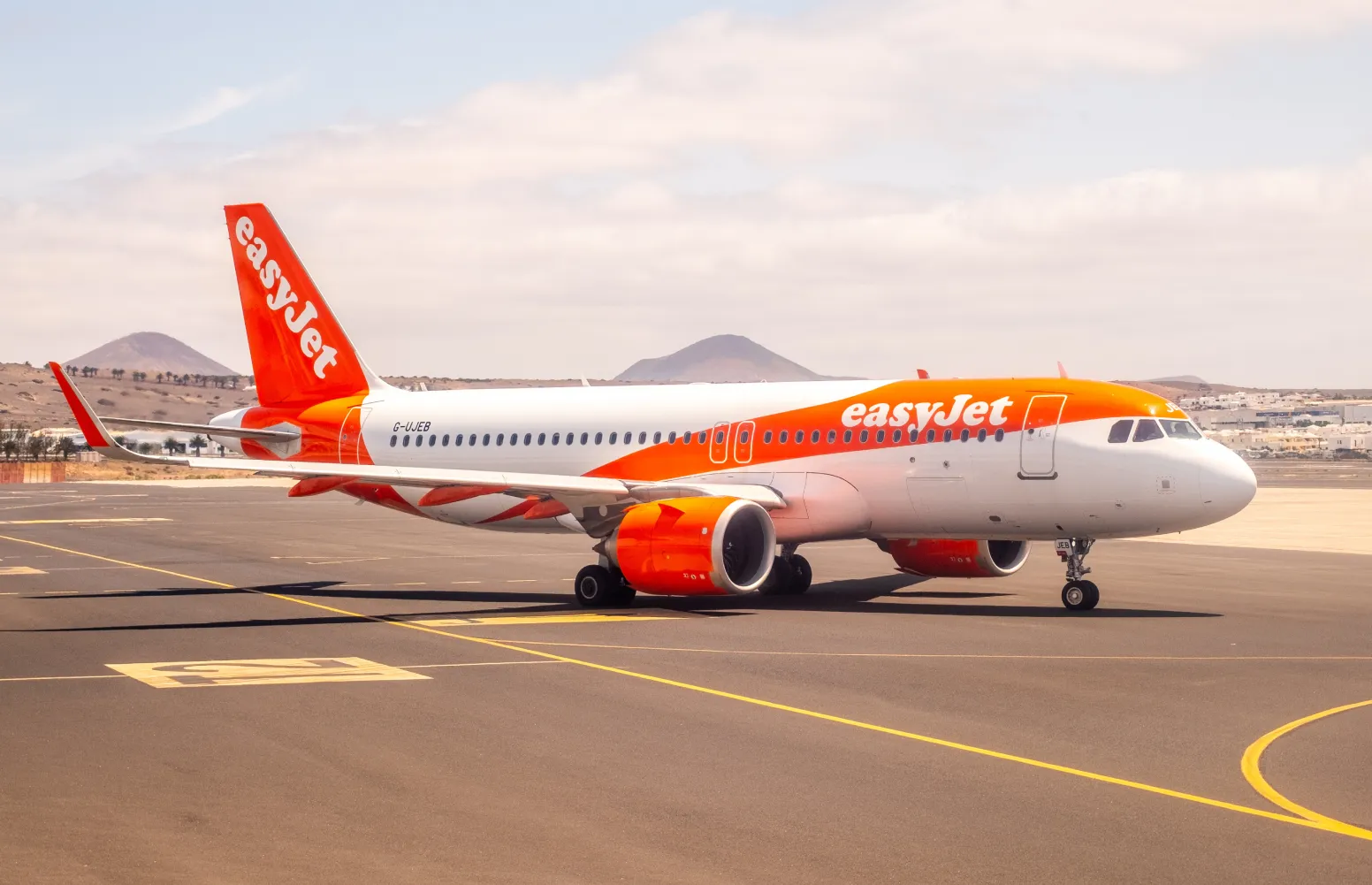
easyJet has agreed in principle to a takeover proposal worth $7.3 billion (£5.5 billion, €6.4 billion) from Castlelake, marking one of the biggest developments in the European airline sector for several years. The proposed acquisition, led by the American private equity and aircraft leasing group, would place the airline under private ownership if shareholders and regulators approve.
The agreement follows several weeks of negotiations between the two companies. Earlier proposals from Castlelake were rejected after easyJet's board said they did not reflect the airline's value or provide enough certainty over how a transaction would be completed. The latest offer has changed that position, with the board stating it is prepared to recommend the deal if a formal bid is submitted on the agreed terms.
For aviation professionals, the announcement raises questions about ownership, fleet investment, route planning, and the future direction of one of Europe's largest low-cost airlines. It also highlights the growing interest from financial investors in aviation businesses with established brands, valuable airport slots, and large aircraft order books.
A Strategic Aviation Investment
The proposal values easyJet at $9.20 (£6.90, €8.00) per share, placing a significant premium on the airline's market value prior to Castlelake's interest becoming public. Since details of the agreement were released, easyJet shares have risen by around 10%, reflecting growing confidence among investors that the transaction could move forward. The increase in the share price also suggests that the market believes Castlelake is offering a valuation that better reflects easyJet's long-term position than previous approaches. Earlier bids had been viewed as opportunistic after pressure on airline shares linked to higher fuel costs and weaker consumer confidence.
Castlelake is well known within the aviation industry despite being less familiar to many passengers. The Minnesota-based investment group has built a substantial aviation portfolio through aircraft leasing, aviation finance, and investments across the commercial aerospace sector. Its experience extends well beyond airline ownership, with interests in aircraft assets, financing structures, and leasing businesses around the world.
That background has shaped much of the discussion surrounding the proposed acquisition. Unlike investors with little aviation experience, Castlelake already operates within many parts of the commercial aircraft market. The company has indicated that it supports easyJet's existing business strategy and fleet renewal programme rather than seeking a fundamental change to the airline's operating model.
Fleet investment remains a major priority for easyJet. The airline continues to modernise its Airbus fleet through deliveries of more fuel-efficient aircraft that reduce operating costs while lowering emissions. Maintaining that programme will be important as airlines across Europe continue replacing older aircraft with newer models that offer lower fuel burn and improved reliability.
The agreement also arrives at a time when aircraft remain in high demand across the global market. Production delays at manufacturers, supply chain pressures, and strong passenger demand have increased the value of aircraft assets and leasing businesses. Castlelake's position as an aircraft leasing specialist may therefore provide additional financial flexibility when managing future fleet growth.
What Happens Next?
The proposed transaction has also renewed discussion around ownership rules for European airlines. Airlines operating within the European Union must satisfy ownership and control requirements to retain flying rights across the region. Since Castlelake is an American investor, any acquisition must comply with those regulations. Plans outlined alongside the proposal include an ownership structure designed to maintain the required level of European control while allowing Castlelake to complete the purchase.
Regulatory approval is therefore expected to become one of the most closely watched stages of the process. Competition authorities and aviation regulators will examine the proposed structure before any acquisition can proceed.
The deal is also subject to the formal takeover timetable under UK regulations. Castlelake now has until 3rd August 2026 to announce a firm intention to make an offer or withdraw from the process. Until that point, the agreement remains one of principle rather than a completed acquisition.
For easyJet employees, there is likely to be close interest in any future announcements covering staffing, operations, and investment. Castlelake has stated that it supports easyJet's management team and current business strategy, with no indication that the airline would be broken up or substantially restructured as part of the acquisition.
That position will be welcomed by many across the business. easyJet employs around 19,000 people across flight operations, engineering, cabin services, ground operations and corporate functions. Stability across those areas will remain important as the airline continues operating through a busy summer schedule.
The airline also remains a significant employer for licensed engineers, pilots, and cabin crew entering the industry. Recruitment has continued in several operational areas during the recovery in passenger demand following the pandemic, with fleet expansion creating additional opportunities across technical and flight operations.
easyJet's Investment Appeal
The announcement may also influence recruitment across the wider aviation sector. Investors continue to view commercial aviation as an industry with long-term growth potential despite short-term pressure from fuel prices, maintenance costs, and supply chain disruption.
Private equity involvement in airlines is not new, though transactions involving major scheduled carriers remain relatively uncommon. Most financial investors have traditionally focused on aircraft leasing companies, maintenance providers, or aviation services rather than acquiring large passenger airlines outright.
easyJet's position makes it an attractive target. The airline carries millions of passengers every year, operates from major European airports, and holds valuable take-off and landing slots at airports where additional capacity is difficult to secure. Those assets would be difficult for a new airline to replicate.
Its package holiday business has also become an increasingly important contributor to earnings. Growth in holiday sales has helped diversify revenue beyond ticket sales while giving customers a wider range of travel products under the easyJet brand.
The proposed acquisition also reflects continuing overseas interest in UK-listed companies. Several British businesses have attracted bids from international investors during recent years as valuations have remained below those seen in comparable overseas markets.
For shareholders, the Castlelake proposal offers an opportunity to sell at a significant premium compared with the airline's share price before takeover discussions became public. That premium has played a major part in changing the board's position after earlier approaches were rejected.
Market reaction suggests investors believe there is a realistic prospect of the deal proceeding. A share price increase of around 10% immediately after the announcement is often seen as an indication that investors expect further progress, even though regulatory approval and shareholder backing are still required.
Enjoying the article?
Follow us and never miss an update on the aviation industry.
Why the Deal Matters
There are still several stages before ownership changes hands. A formal offer must be submitted, shareholders must vote on the proposal, and regulators must approve the ownership structure. Any one of those stages could affect the timetable or outcome.
For aviation professionals, the agreement is likely to remain one of the industry's biggest stories throughout the coming weeks. Fleet planning, aircraft financing, and airline ownership have become closely connected as airlines seek investment to support long-term growth while managing rising operating costs.
Should the acquisition proceed, Castlelake would become the owner of one of Europe's best-known low-cost carriers, combining an established airline with an investor that already holds extensive interests across commercial aviation. The proposal signals continued confidence in passenger demand, the long-term value of airline assets, and the commercial strength of carriers that have built large networks across Europe.
Attention will now turn to the next stage of the takeover process as Castlelake prepares its formal offer ahead of the 3rd August 2026 deadline. Until then, easyJet remains publicly listed, though the agreement in principle has already reshaped expectations for the airline's future.