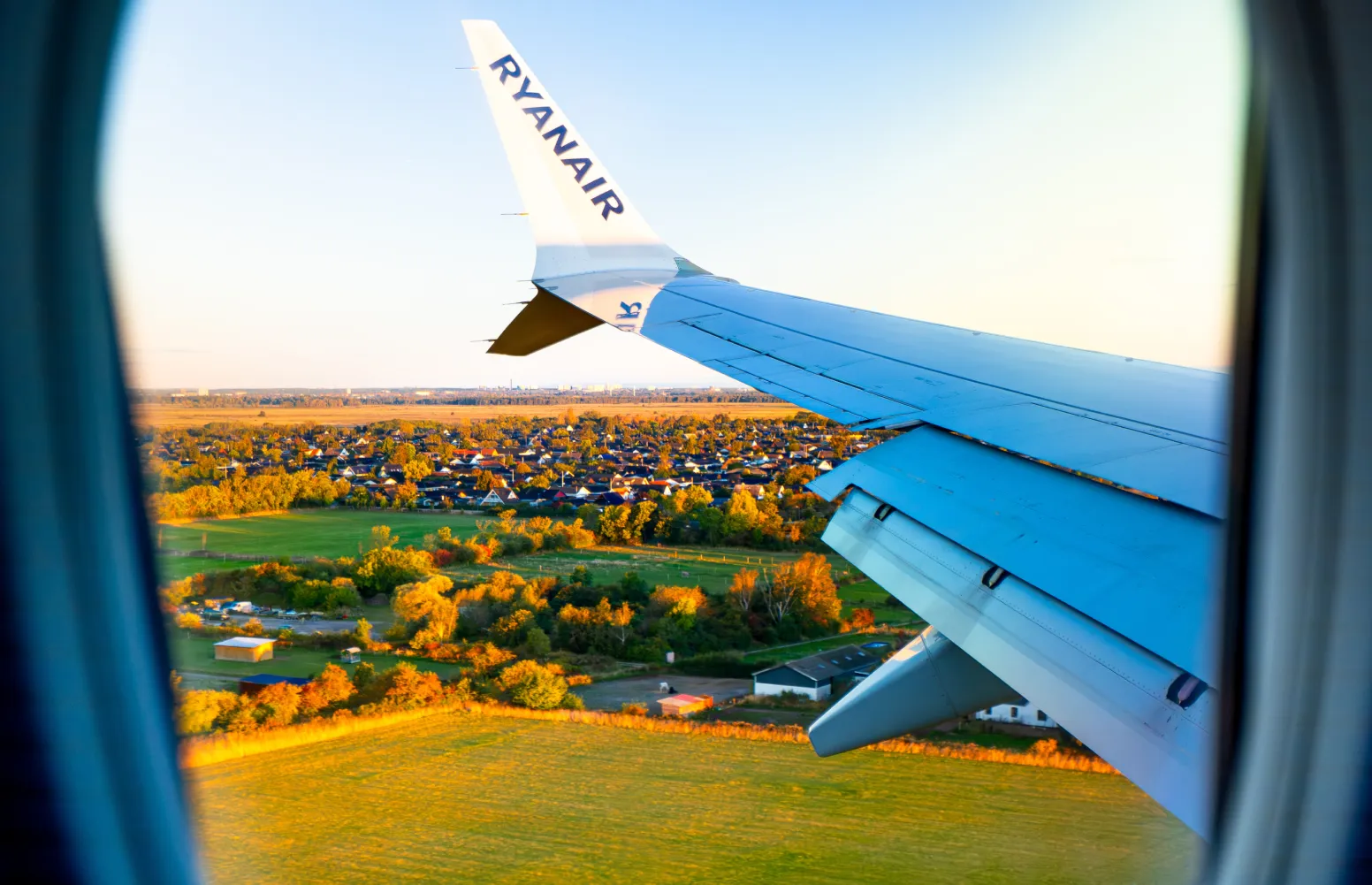
A Ryanair flight travelling from Thessaloniki, Greece, to Memmingen, Germany, was forced to make an emergency landing after a cabin window became dislodged shortly after departure, leaving one passenger seriously injured and prompting an investigation into the circumstances surrounding the incident.
The Boeing 737 returned safely to Thessaloniki after the flight crew declared an emergency. During the event, a male passenger seated beside the affected window was reportedly pulled head-first through the opening as the cabin rapidly lost pressure. Other passengers intervened and prevented him from being drawn further outside the aircraft until the crew brought the situation under control.
The injured passenger was taken to hospital following the aircraft's return and remains under medical care.
For those working across the aviation industry, the incident is another reminder of the importance of aircraft structural integrity, engine reliability and crew training during abnormal situations. It also demonstrates how cabin crews, flight crews and passengers can all play important roles during an emergency.
Emergency Develops Shortly After Departure
The aircraft departed Thessaloniki on a scheduled service to Memmingen before the flight was interrupted by a serious in-flight event. According to reports released after the emergency, a passenger window became dislodged during the climb. The sudden loss of cabin pressure resulted in a rapid depressurisation, with oxygen masks deploying throughout the cabin.
The passenger seated next to the damaged window was partially pulled through the opening, with reports indicating that his head and upper body were forced outside the aircraft. Nearby passengers acted immediately, holding onto the injured man until the aircraft returned to Thessaloniki. Their actions, together with the flight crew's handling of the emergency, prevented the situation from becoming more serious.
The aircraft landed safely without further incident, where emergency services were waiting on the ground. Passengers later continued their journey to Germany on a replacement aircraft arranged by the airline.
Passenger Taken to Hospital
The injured passenger was transferred to hospital after the aircraft landed. Reports indicate that he suffered injuries linked to the decompression and exposure to the airflow outside the aircraft. Medical staff continue to monitor his condition.
No fatalities were reported, while no other passengers were said to have suffered serious physical injuries during the emergency. Events involving rapid depressurisation can affect passengers in several ways. Reduced cabin pressure may lead to breathing difficulties until oxygen masks are used, while loose objects inside the cabin can move unexpectedly as air escapes through the damaged section of the fuselage.
The individual seated beside the damaged window experienced the greatest force due to his position within the cabin.
Investigation Now Under Way
The cause of the window becoming dislodged has not yet been confirmed.
Investigators are expected to examine the aircraft, maintenance records, flight data and cockpit voice recordings as part of the inquiry. Initial reports have suggested that debris from an engine may have struck the fuselage before the cabin window became detached, though investigators will determine whether that sequence of events is supported by technical evidence.
Aircraft involved in events of this nature are normally withdrawn from service while engineers complete detailed inspections. Structural damage, engine condition, pressurisation systems and surrounding airframe components are examined before any decision is made regarding future operations.
Modern accident investigations rarely focus on a single component. Engineering specialists review maintenance history, manufacturing records, operational procedures and inspection programmes to establish the full sequence of events. The findings may also lead to recommendations covering inspection intervals, maintenance practices or component design where appropriate.
Cabin Pressurisation Explained
Commercial aircraft operate at altitudes where the outside air pressure is far too low to support passengers without cabin pressurisation.
The fuselage is designed as a pressure vessel, allowing the cabin to maintain conditions suitable for passengers and crew throughout the flight. Windows, doors and structural joints form part of that sealed environment and are engineered to withstand repeated pressurisation cycles across thousands of flights.
Cabin windows consist of multiple layers rather than a single pane. Each layer serves a specific function, providing structural strength while protecting against pressure differences between the inside and outside of the aircraft.
Should a window become damaged, the aircraft's pressurisation system cannot maintain normal cabin pressure, requiring crews to follow established emergency procedures. These procedures include the immediate use of oxygen masks where necessary, a controlled descent to a lower altitude and diversion to the nearest suitable airport.
Training for these situations forms part of recurrent simulator programmes completed by airline flight crews throughout their careers.
How the Crew Responded
Emergencies involving decompression require rapid decision-making from the flight deck. Pilots must assess the condition of the aircraft, communicate with air traffic control, manage aircraft performance and prepare for an unscheduled landing while maintaining situational awareness across the flight.
Cabin crew responsibilities also change immediately once a decompression occurs. After securing their own oxygen supply, cabin crew assess passenger injuries, check cabin conditions and prepare for any emergency landing should it become necessary. Communication between the flight deck and cabin becomes particularly important during these events, allowing the crew to share information on passenger injuries, cabin damage and any operational concerns before landing.
The safe return of the aircraft highlights the value of standard operating procedures developed for situations involving pressurisation failures.
Aircraft Maintenance Under Renewed Attention
Incidents involving structural damage naturally attract attention across the maintenance community. Modern airline maintenance programmes involve scheduled inspections covering the fuselage, windows, engines and pressurisation systems throughout an aircraft's operating life. Aircraft operating multiple short sectors each day complete a high number of pressurisation cycles. Every take-off and landing subjects the fuselage to changing pressure loads, making regular inspections an important part of continued airworthiness.
Maintenance engineers use visual inspections alongside non-destructive testing methods where required to identify fatigue, corrosion or structural defects before they become safety concerns.
Should investigators identify a component failure, regulators may consider inspection directives affecting similar aircraft operating across other airlines. Such actions are designed to identify comparable issues before they develop elsewhere within the fleet.
The Human Factor in Emergencies
Technical failures often receive the greatest attention following aviation incidents, yet human performance remains equally important. Passengers seated near the injured man reportedly reacted immediately, preventing him from being pulled further outside the aircraft.
Cabin crew then managed the wider cabin while preparing for the return to Thessaloniki, assisting passengers who had experienced the sudden decompression and ensuring emergency procedures were followed.
Flight crews rely on regular simulator training covering decompression, engine failures, emergency descents and aircraft system failures. These exercises are designed to build familiarity with situations that occur only rarely during normal airline operations.
For aviation employers, recurrent training remains one of the strongest safety measures available, allowing crews to practise complex emergencies under controlled conditions before encountering them in service.
Enjoying the article?
Follow us and never miss an update on the aviation industry.
The Layers Behind Aviation Safety
Commercial aviation continues to operate with multiple independent safety systems intended to reduce risk and provide protection should an abnormal event occur.
Aircraft design standards require redundancy across many systems, while maintenance programmes, flight crew training, operational procedures and regulatory oversight provide additional safeguards throughout an aircraft's service life.
When serious events occur, investigations seek to establish every contributing factor rather than focusing on a single outcome. That process supports improvements across aircraft design, maintenance practices, crew training and operational procedures where required. The Ryanair incident has already prompted detailed technical examination, with investigators expected to study the aircraft's engines, fuselage and pressurisation systems before reaching any formal conclusions.
As that work continues, the emergency serves as a reminder that effective crew coordination, passenger restraint systems and established emergency procedures remain essential parts of commercial aviation safety.
The aircraft returned safely to Thessaloniki, emergency services treated the injured passenger without delay, and the remaining passengers completed their journey on a replacement aircraft. The investigation now underway will determine what caused the window to become dislodged and whether any further action is required across the wider fleet.