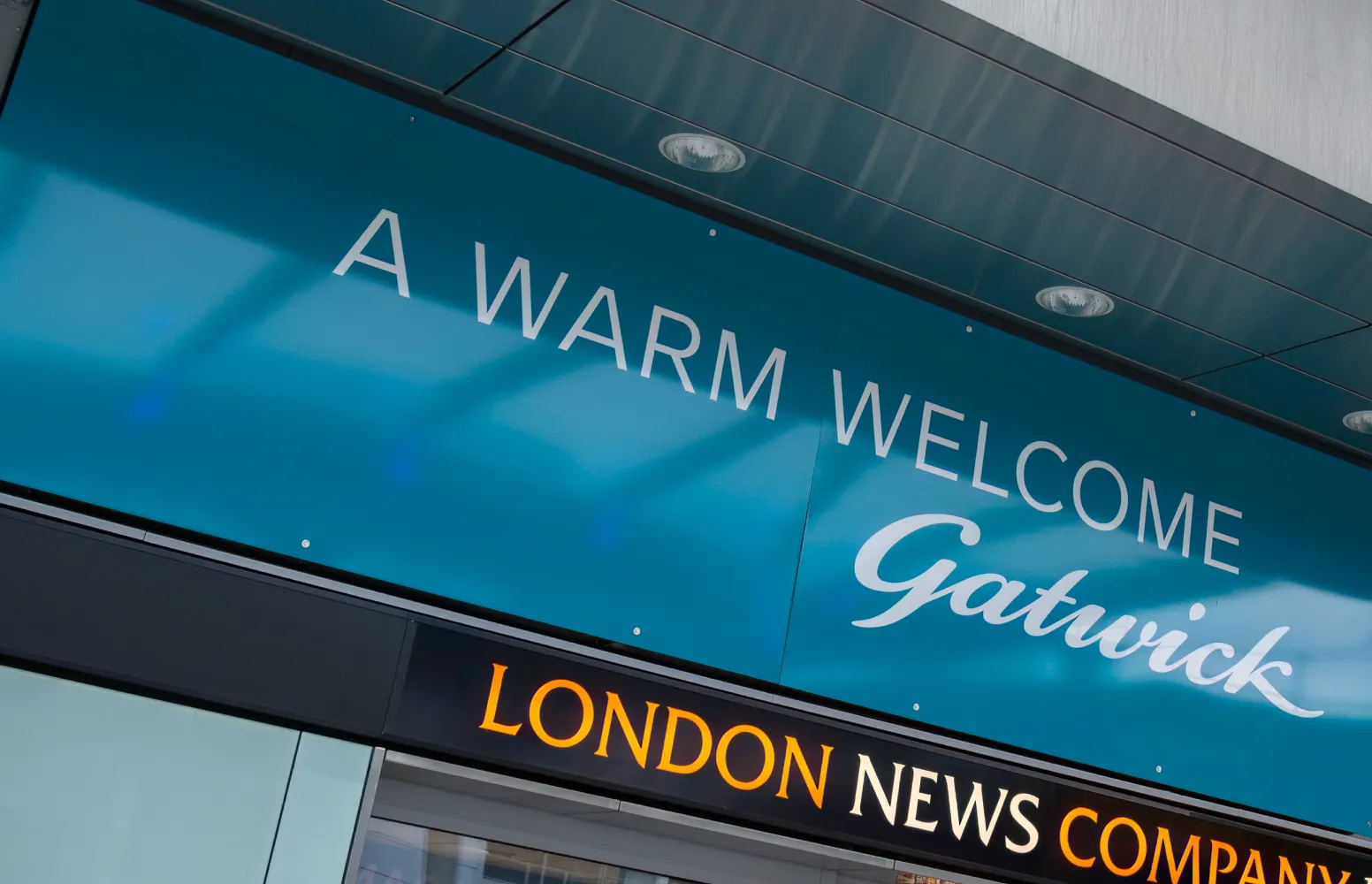
Plans to build a £2.2bn second runway at London’s Gatwick airport have been given the go-ahead by the government on September 21, with the hope that planes could be using the new facility by the end of the decade. Heidi Alexander, the Secretary of State for Transport, approved the scheme after directing the UK’s second-largest airport to meet tougher conditions on noise abatement and public transport. As per labour officials, the recent move was a “no-brainer”.
Gatwick has long been the world’s busiest single-runway airport, operating nearly one take-off or landing every 55 seconds during peak periods. The new proposal is aimed at transforming its emergency runway into something closer to a second operating runway for certain operations. This will allow more departures without needing a fully separate new-build runway. The development will boost the airport’s flight capacity by up to 100,000 movements per year, while adding 14,000 jobs and as much as £1billion in extra economic activity.
The expansion approval had been anticipated since February, but its confirmation has also sparked objections from various groups.
Expansion Plan Faces Scrutiny
Several groups have raised objections to the proposal. The key worry is centred around noise and its impact on local communities. Back in April, Gatwick Airport agreed to stricter noise controls. However, nearby residents fear that the extra departures will increase periods of audible aircraft activity, especially for those under departure routes.
There is also the issue of the environment, particularly greenhouse gas emissions and the risk of breaching the UK carbon budget commitments. Concerned groups feel that any airport expansion needs to be delivered in line with the legally binding climate change commitments and meet strict environmental requirements.
Some fear that there will be strain on surface transport and infrastructure, including whether public transport links and road access can cope with increased passenger numbers. Others have raised concerns about the expansion’s impact on housing and relocation issues, especially for people in noise-affected zones.
Next Steps
Efforts to expand airport capacity in the London area have stalled for decades—but Gatwick’s approval has finally set the process in motion. But what does it mean for those working in operations, infrastructure, regulatory compliance, and airport planning? For one, regulatory and planning conditions must be satisfied. The decision includes stipulations on noise, public transport “mode share”, and environmental standards. Gatwick and its owners (VINCI Airports) need to deliver on those.
The expansion is not without legal challenges. Environmental groups and local councils have signalled their intention to pursue a judicial review over concerns about emissions and noise. Besides, full dual-use operations are being projected by the end of the decade, possibly earlier (2029), depending on how fast conditions are met and construction/upgrades proceed.
There will likely be operational changes, even with a fully functional Northern runway. For instance, the use of Northern Runway may be limited to departures with narrow-body aircraft (Airbus A320 and Boeing 737 family). Landings will continue to use the main runway. Other infrastructure upgrades also need to kickstart. Taxiways, terminal gates, possibly supporting roads, and public transport upgrades will have to scale.
Enjoying the article?
Follow us and never miss an update on the aviation industry.
Why It Matters for Aviation Careers
The new expansion plan requires equal participation in a number of roles, including engineers, air traffic management staff, environmental compliance teams, airline schedulers, and infrastructure planners. Roles in noise assessment, emission modelling, and community liaison will expand. Airline operators will need to adjust schedules and possibly adjust fleet use to take advantage of extra departure capacity. Airport operations will need to coordinate more tightly across runways, ground movements, and safety oversight.
This approval changes Gatwick’s operational envelope. It shifts some departure loads off the main runway, offers spare capacity, and adds flexibility. Meeting environmental and regulatory conditions will test technical teams. Community and stakeholder expectations will require well-designed mitigation and clear communication. For those entering the industry, there will be new opportunities and new demands.