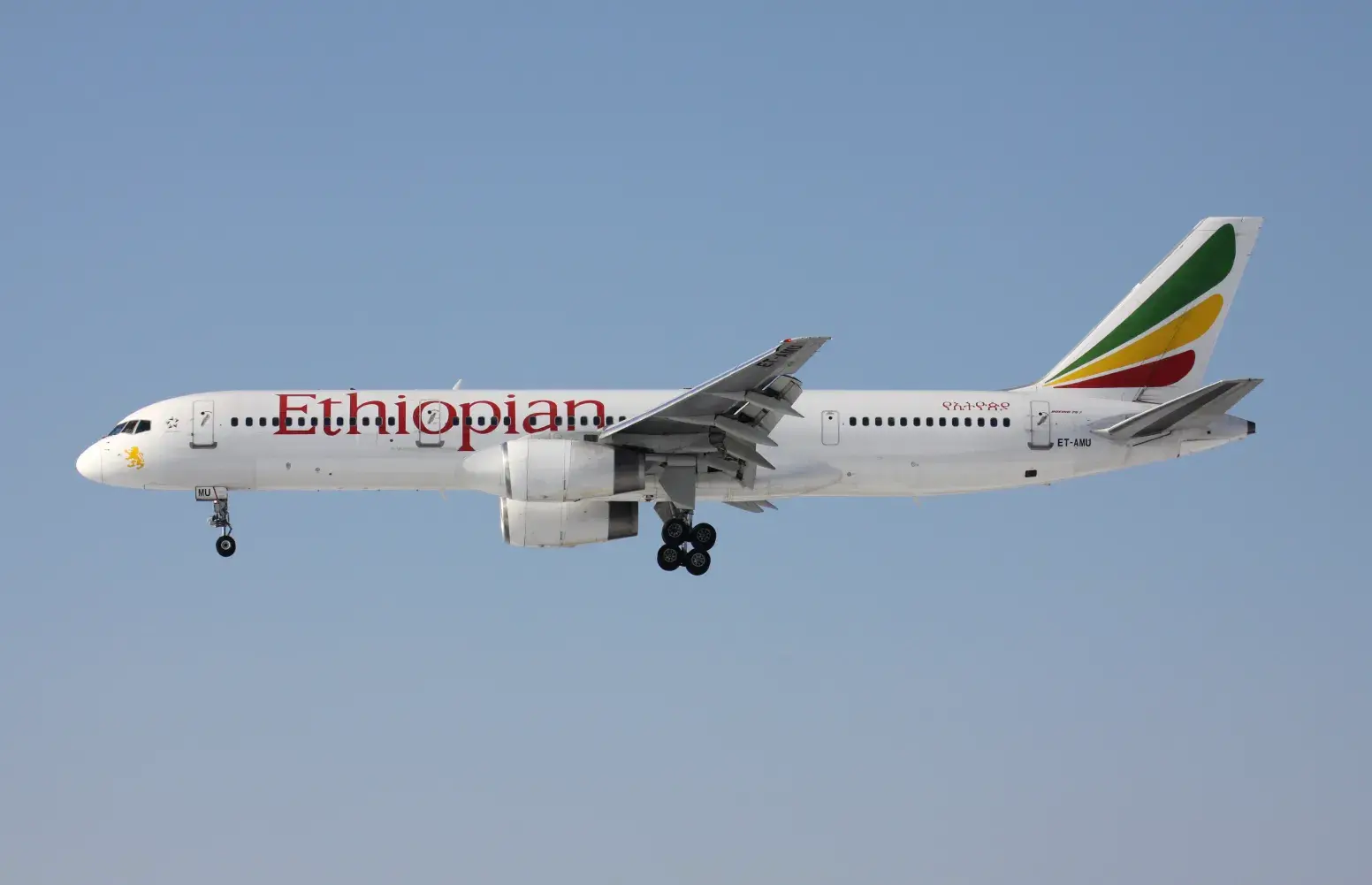
Ethiopian Airlines has formally launched construction of what is set to become Africa’s largest airport, marking one of the most significant infrastructure investments ever undertaken by an African carrier. The project, located near the city of Bishoftu in Ethiopia’s Oromia region, signals a decisive step in the airline’s long-term plan to expand capacity and reinforce its position as a major global connector.
The new airport development carries a projected budget of $12.5 billion (£9.9 billion, €11.5 billion). Construction has now moved from planning into execution, with initial works under way following a formal launch attended by government officials, aviation leaders, and representatives from the wider transport and construction sectors. For Ethiopian Airlines, the move reflects sustained traffic growth and the limits now faced at Addis Ababa Bole International Airport, which has served as the carrier’s primary hub for decades.
Bishoftu sits around 45 kilometres (28 miles) south-east of Addis Ababa and already plays a role in the country’s aviation system through military and training facilities. Its selection offers space for large-scale expansion while remaining close enough to the capital to support connectivity, workforce access, and supporting infrastructure. Road and rail links are expected to be strengthened alongside airport construction, ensuring the new site can function as a true hub rather than a remote outpost.
According to plans released with the project launch, the airport will be built in phases, with the first phase scheduled for completion by 2030. That initial stage alone is designed to handle a volume of traffic that would place the airport among the busiest in the world. Full build-out capacity stands at around 110 million passengers annually, far exceeding the current throughput of any airport on the African continent.
Airside infrastructure forms a central part of the plan. The airport will feature four runways, allowing for high levels of simultaneous arrivals and departures. This layout supports long-haul, regional, and domestic operations at scale, while also offering resilience during maintenance or adverse weather. Aircraft parking capacity for up to 270 aircraft is planned, addressing one of the most common bottlenecks faced by expanding hub airports.
For Ethiopian Airlines, fleet growth underpins the need for such capacity. The carrier already operates one of the largest and most modern fleets in Africa, with widebody aircraft forming the backbone of its long-haul network. Orders placed over recent years point to further expansion, including additional Airbus and Boeing types. A hub capable of handling large numbers of widebody aircraft on the ground at any given time supports efficient scheduling and turnaround planning.
Terminal design details remain subject to refinement as construction progresses, yet early indications suggest a strong focus on passenger flow and operational efficiency. Large transfer volumes are expected, given Ethiopian Airlines’ reliance on connecting traffic between Africa, Europe, Asia, the Middle East, and the Americas. Smooth transfer processes will be essential if the airport is to meet its projected throughput without compromising service levels.
Cargo also features prominently in the project’s rationale. Ethiopian Airlines operates one of the largest cargo networks in Africa, serving pharmaceutical, agricultural, and e-commerce markets. Expanded cargo facilities at the new airport are expected to complement passenger operations, with dedicated space for freighters, cold-chain logistics, and express handling. This dual focus reflects the airline’s view of cargo as a core business rather than a secondary activity.
A multi-billion dollar investment
The scale of investment places the project among the most ambitious aviation developments globally. At $12.5 billion (£9.9 billion, €11.5 billion), funding arrangements draw on a mix of state backing, commercial financing, and potential partnerships. Ethiopian Airlines remains state-owned, and the project aligns closely with national development priorities centred on trade, tourism, and industrial growth.
From a regional standpoint, the new airport is likely to reshape traffic flows across Africa. Addis Ababa has already become a preferred transfer point for passengers travelling between different parts of the continent, particularly where direct services remain limited. Additional capacity strengthens that role and may draw traffic away from hubs in the Gulf or Europe for certain markets.
The project also carries implications for employment and skills development. Construction alone is expected to create thousands of jobs over several years. Once operational, the airport will require a large workforce across air traffic services, ground handling, engineering, security, retail, and administration. Training pipelines will need to expand in parallel, presenting opportunities for both experienced professionals and those entering the aviation sector.
For entry-level candidates, the development highlights how infrastructure projects translate into long-term career prospects. Large hub airports rely on a broad range of roles, many of which provide clear progression paths. Ethiopian Airlines has historically invested heavily in training through its aviation academy, and the scale of the new airport suggests continued demand for pilots, engineers, cabin crew, dispatchers, and airport operations staff.
Environmental considerations form part of modern airport planning, and early project statements point to energy efficiency and sustainable design as key elements. While specific targets have not yet been detailed publicly, newer airports typically incorporate measures such as solar power, efficient terminal layouts, and modern waste and water systems. Such features carry operational benefits alongside regulatory and reputational value.
The timeline towards 2030 for the first phase remains ambitious, particularly given the complexity of building a four-runway airport from the ground up. Progress will be closely watched by the global aviation community, especially as supply chains, labour availability, and financing conditions continue to affect major infrastructure projects worldwide. Ethiopian Airlines’ track record in delivering previous expansions at Bole International Airport provides a measure of confidence, though the scale here is far greater.
As construction advances, attention will turn to how operations transition from Addis Ababa’s existing hub to the new site. Phased transfers, dual operations, or a complete move remain possible scenarios. Each option carries operational and customer experience considerations that airlines and airports have faced in similar moves elsewhere.
What remains clear is that Ethiopian Airlines views the Bishoftu project as central to its future. Capacity constraints, fleet growth, and rising passenger demand have converged to make a new airport not just desirable but necessary. With formal construction now under way, the project moves from concept into reality, setting the stage for a reshaping of African aviation over the coming decades.