The assumption that fewer aircraft automatically mean less hiring pressure looks logical on a spreadsheet. In live airline operations, it is proving wrong.
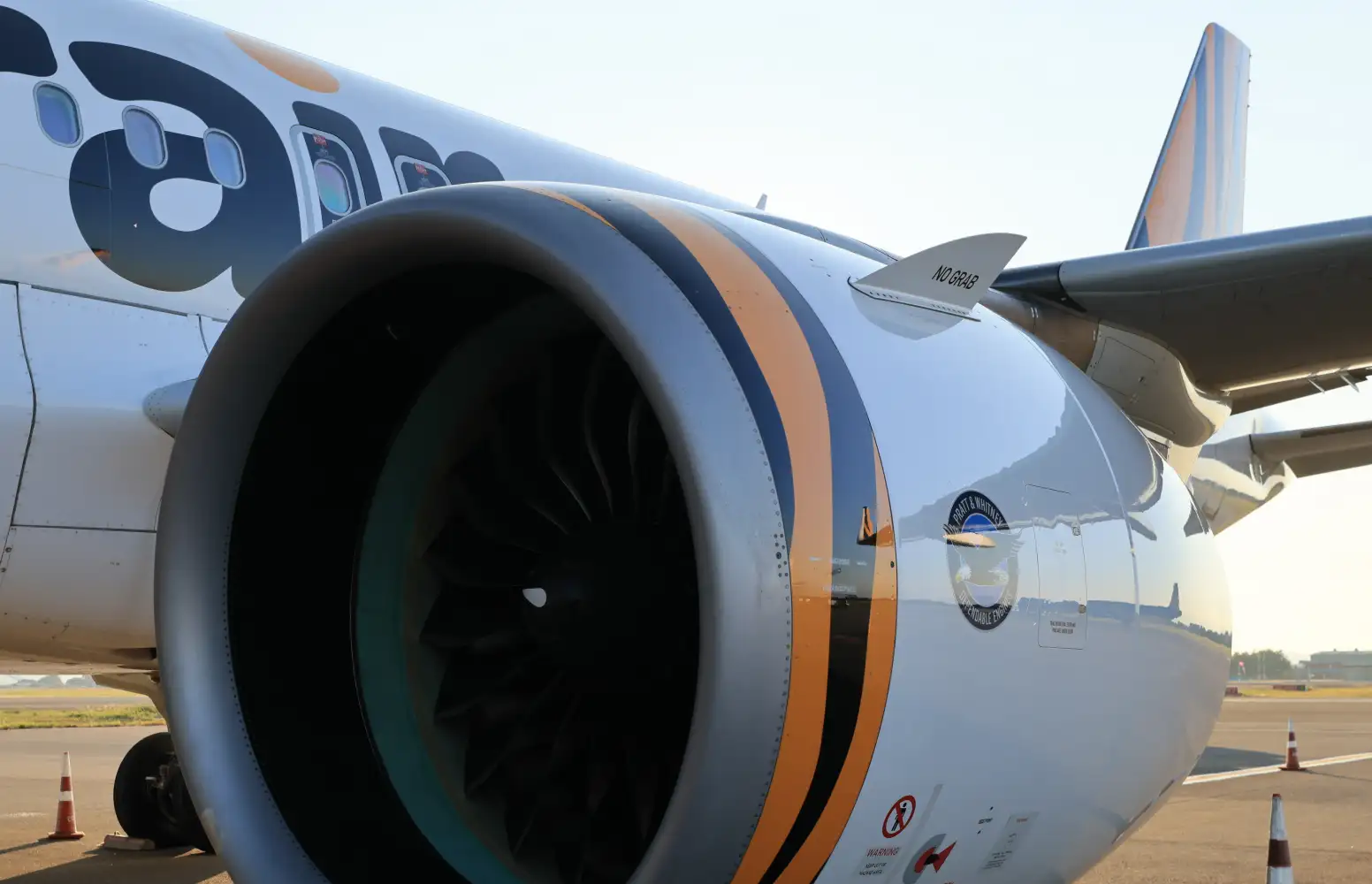
The inspection programme affecting the geared turbofan fleet, led by Pratt & Whitney, has grounded a material number of narrowbody aircraft across multiple operators. In theory, a reduced active fleet should ease pilot demand. Fewer aircraft should require fewer crews.
That logic holds only if crews are interchangeable, current, and immediately deployable.
They are not.
Groundings do not release clean surplus capacity - they create fragmentation. Aircraft are removed unevenly across fleets and bases, often for extended but uncertain periods, crews tied to those aircraft do not become spare assets - they become constrained assets, subject to currency rules, training dependencies, and regulatory minima that prevent easy redeployment.
Currency requirements are the first limiter. Pilots need recent sectors, simulator events, and recurrent checks to remain productive. When flying reduces unpredictably, maintaining currency becomes harder, not easier. The result is that operators must protect flying for currency purposes, even when aircraft availability is reduced. That keeps crewing demand stubbornly intact.
Training sequencing compounds the issue. Pilots part-way through type ratings, command upgrades, or differences training cannot simply be paused and resumed without cost. Once a training pipeline is in motion, stopping it often creates more disruption than finishing it. Grounded aircraft do not unwind training demand already committed months earlier.
Regulatory minima finish the job. Minimum crew complements, base coverage requirements, and rostering protections mean that headcount cannot be flexed dynamically in response to temporary fleet changes. Airlines are structurally prevented from “right-sizing” pilot numbers in the short term, even when aircraft numbers dip.
This is why hiring pressure has remained largely unchanged.
Hidden strain on training
From the outside, the market looks contradictory. Aircraft are grounded. Recruitment continues. In some cases, it accelerates. Internally, the logic is defensive. Operators know that engine availability will eventually recover, but they cannot afford to be unprepared when it does. Training lead times are long. Losing momentum now creates exposure later.
There is also a credibility dimension. Airlines that slow or stop hiring risk losing candidates permanently, not temporarily. In a market shaped by memory of recent shortages, planners are reluctant to assume that talent will simply reappear when required.
The net effect is that engine groundings distort, rather than relieve, workforce pressure. Fleets shrink, but training demand stays sticky. Hiring continues, not because growth is accelerating, but because the system cannot tolerate further shock when aircraft return.
This has implications beyond pilots. Instructors are stretched maintaining currency and progression with fewer aircraft. Simulators are reallocated to preserve minima rather than accelerate throughput. Line training slots become harder to schedule, not easier.
The assumption that technical disruption creates labour slack is proving false. What it creates instead is operational rigidity.
As inspection programmes extend and timelines shift, this rigidity becomes more visible. Airlines are flying fewer aircraft with roughly the same staffing pressure, absorbing cost and complexity to protect future readiness.
Engine availability will recover. The lagging effect on training pipelines will take longer.
That is why, despite grounded fleets, the pilot market still feels tight. Not because demand is irrational, but because the system cannot afford to let go.