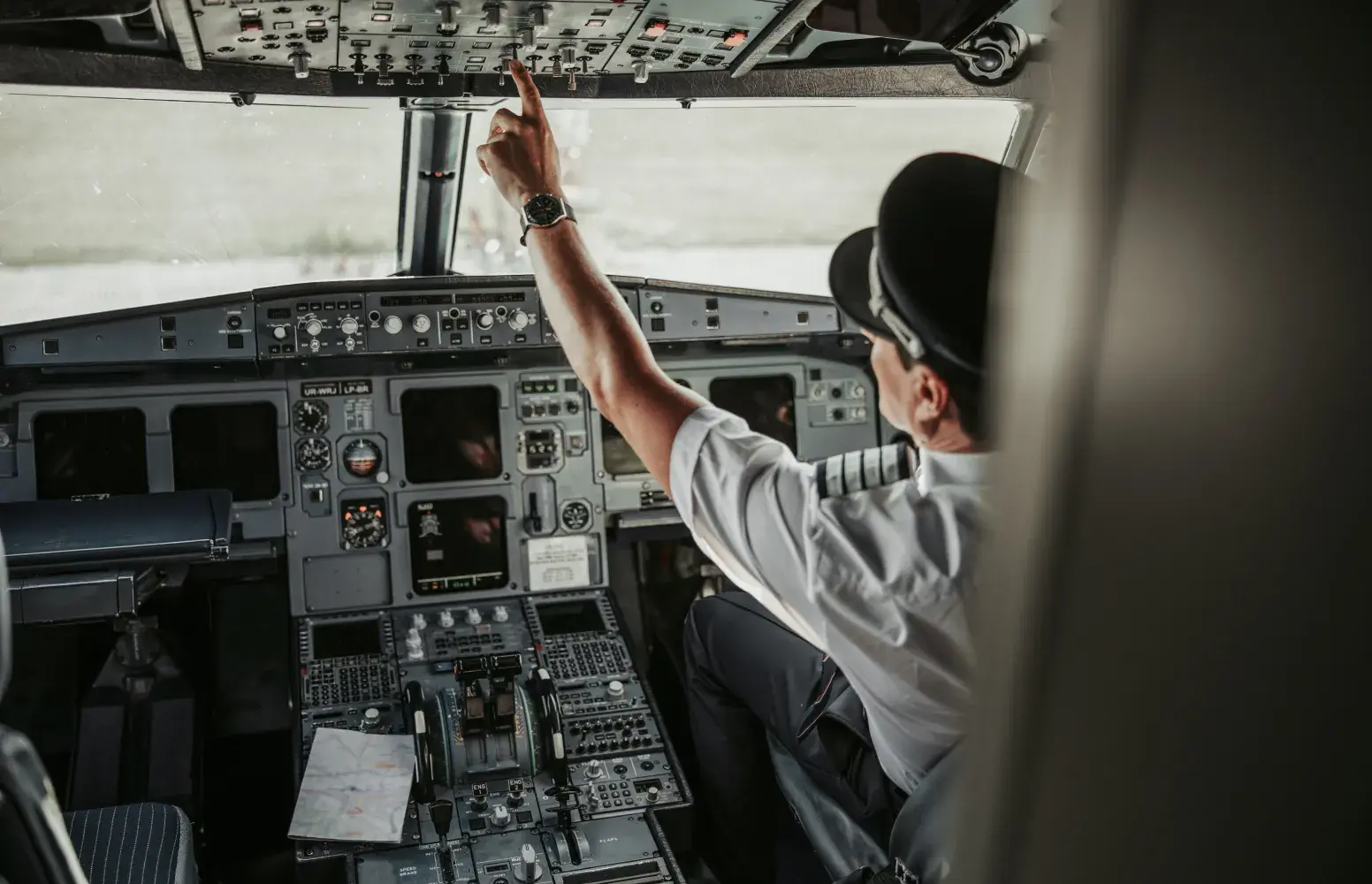
In a field as dynamic as aviation, advancements in automation and technology tend to bring bold proposals with a focus on cost efficiency and operational innovation. Single Pilot Operation, or SiPO, is one such idea that has gained considerable traction in recent years. Those in favor of SiPOs argue that the concept can gain momentum with improved cockpit technology and ground-based support. Airlines could operate with only one pilot, both during certain phases of the flight or throughout.
Efforts to introduce single‑pilot operations in commercial airlines have faced a significant setback after the European Union Aviation Safety Agency (EASA) signaled it will not approve the concept in the near future.
The Rise of SiPO
The idea of reducing the number of people required to fly an aircraft is not new. Proponents of the concept opine that advancements in avionics, artificial intelligence, and remote ground control support will naturally reduce the dependency on manual intervention inside the cockpit. The COVID-19 pandemic only amplified this push. Aircraft manufacturers and some airlines see this as a solution to rising costs and pilot shortages.
Known alternatively as Extended Minimum Crew Operations (eMCO), advocates claim this approach could cut costs and ease roster pressures without compromising safety. To test it out, Airbus has collaborated with several partners to explore SiPO under the NextGen eMCO project, funded partly by the European Commission.
EASA’s Position
EASA’s latest statements make clear that current technology does not yet meet the safety standards required for commercial single‑pilot operations. Key concerns include:
- System redundancy: SiPo lacks the inherent cross-checking and support structure that two pilots can provide. This can impact how checklists are executed to detect errors.
- Real‑time monitoring: A single pilot system lacks robust ground support systems to assist in emergencies.
- Cognitive Overload: With two pilots on deck, the chances of cognitive overload are reduced since one pilot can take over if the other is fatigued. In SiPo, especially during long-haul flights, there is a risk of cognitive lockup.
- Security Concerns: Situations, such as cockpit intrusion, hijack attempts, or unruly passengers, demand immediate action, without losing focus on the aircraft. A lone pilot locked in the cockpit is a vulnerability.
- Passenger Confidence: Public perception matters. Recent surveys show a significant drop in confidence when passengers are told that their flight will have only one pilot aboard.
As a result, certification timelines for eMCO are likely to be pushed back several years.
Enjoying the article?
Follow us and never miss an update on the aviation industry.
Industry Impact
The EASA’s recent ruling is a blow to manufacturers and airlines, particularly Airbus, which has invested considerable energy and resources in inculcating a future of eMCO. The move, however, has been welcomed by pilot unions and safety experts.
In the long term, carriers exploring single‑pilot strategies must maintain full two‑pilot operations, increasing staffing and training demands. Similarly, flight deck automation and AI monitoring programs will continue development, but face longer paths to regulatory approval. As in other areas of aviation, pilot recruitment will see an uptick as we move further. With single‑pilot relief off the table, recruitment pipelines will remain under pressure to meet forecast demand growth.
EASA’s stance reinforces a cautious approach: safety will take priority over cost savings until proven otherwise. While single‑pilot operations may remain a long‑term ambition, full two‑pilot crews will remain the standard for commercial flights well into the next decade.