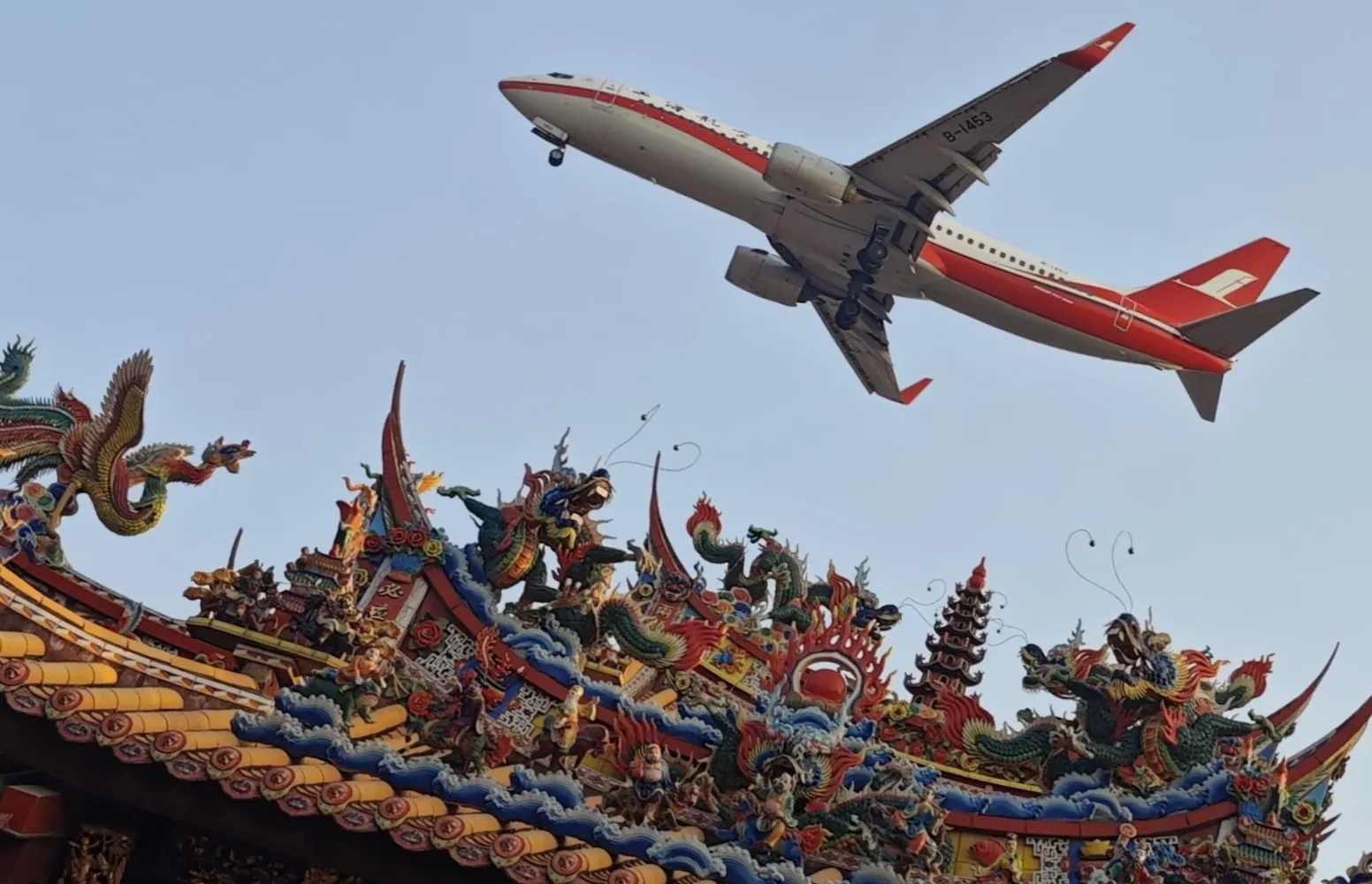
American multinational firm Boeing is nearing a massive order for up to 500 aircraft with China. The completion of the massive deal depends on various political considerations, as do so many of these deals. What is evident is the shift this deal entails, as the order could be the centerpiece of a trade deal between the world's two largest economies.
The two sides are negotiating the details for jet models, types, and delivery schedules. If completed, this would mark the largest Chinese Boeing purchase since 2017 and likely serve as a key piece in easing US-China trade tensions.
The Global Aircraft Battle Intensifies in China
This will also help Boeing decrease the gap with rival Airbus while opening new tabs. Airbus has already sealed a major agreement earlier this year. In June, China’s leading airlines, including China Southern, Air China, and China Eastern, allocated a 500-plane Airbus order, dividing it roughly equally among themselves. Carriers, such as Xiamen Air and Sichuan Airlines, are taking smaller shares. A full public release of the deal is still pending; these allocations definitely reflect clear momentum on the Airbus side.
Boeing now appears ready for a comeback since being frozen out by Beijing in 2017, when President Donald Trump, in his first term, began imposing tariffs on China.
Amid all this, China’s aircraft manufacturing ecosystem looms large in this picture. Commercial Aircraft Corporation of China, known as Comac, operates the C919 narrow-body, its flagship to rival the Airbus A320 and Boeing 737. The company hopes to reach 200 per year by 2029, but that remains a small share compared to Airbus’s output.
As small a share as Comac might have, its rise has not been ignored by industry experts. Airbus CEO Guillaume Faury has noted that Comac could eventually challenge the Boeing-Airbus duopoly, especially in China, which accounts for 20 percent of global aircraft demand. IATA’s director-general echoed that view, suggesting Comac may be a global player within two decades.
Coming back to the Boeing deal, if all goes well, it will mark a turning point for the company. Boeing has seen little non-cargo order volume from Chinese airlines since 2017, due to trade disputes, 737 MAX issues, and pandemic delays. Only about 3 percent of Boeing’s current backlog involves China.
The closure of this deal might be the start of a new relationship, considering China’s need for around 8,800 new aircraft over the next 20 years to address fleet expansion and fleet ageing. That need spans narrow-body and wide-body types. And while Comac can deliver some of it, it cannot fully meet the demand. Airbus’s Tianjin-assembled jets can help narrow-body supply, but Boeing remains essential, especially for wide-bodies.
Enjoying the article?
Follow us and never miss an update on the aviation industry.
The Takeaway
With Boeing, Airbus, and Comac all vying to increase their market share. What are the practical takeaways for industry professionals and aspiring aviationists? For starters, aircraft planners should watch how Boeing and Airbus negotiate delivery slots and financing. Additionally, Comac’s drive towards localisation will put pressure on supply chain roles. Those supplying Western firms should anticipate shifting demand. It will also be interesting to view the development when put against the broader backdrop of US-China trade arrangements. Finally, entry-level readers can note how aircraft markets move at the intersection of policy, production capacity, and airline strategies.