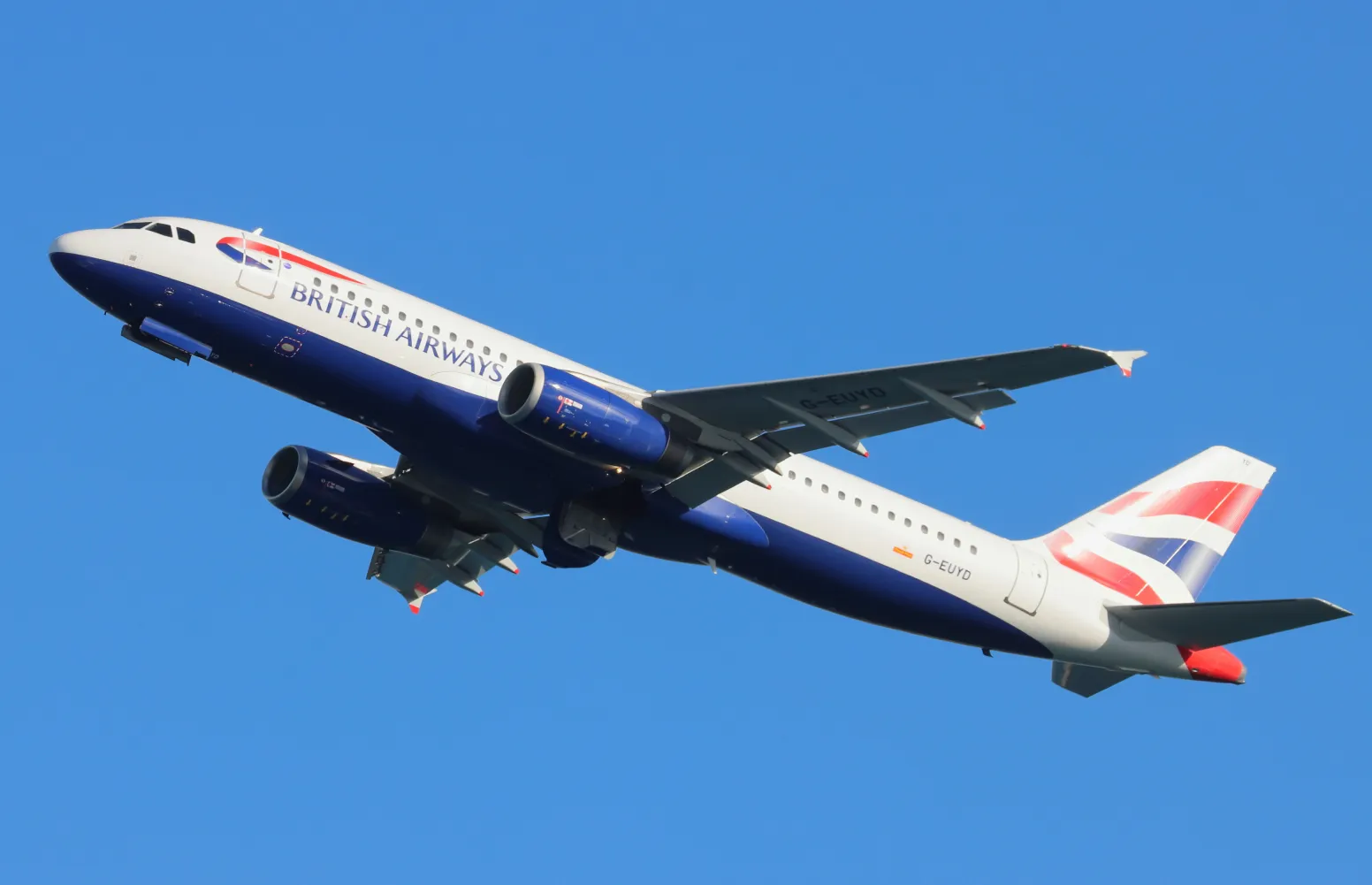
British Airways has announced the addition of ten new non-stop routes scheduled to launch during 2026, marking one of the airline’s most notable network updates in recent years. The expansion introduces new connections from five UK airports and extends the carrier’s reach across several regions, including North America, the Middle East and Asia.
For aviation professionals, the announcement signals more than additional destinations. Network growth often requires adjustments across fleet planning, crew allocation and ground operations. For pilots, cabin crew, engineers and airport staff, route launches of this scale can also indicate future recruitment demand and operational growth.
Expanding the UK network
The new services will depart from five airports across the United Kingdom. Most of the additions will operate from London, which continues to serve as the airline’s primary hub. Only two of the ten routes originate from airports outside the capital, reinforcing London’s central role within the carrier’s global network while still providing some regional expansion.
London Heathrow remains the focal point of the airline’s long-haul operations, supported by its extensive connecting traffic and infrastructure. Several of the newly announced routes will depart from Heathrow, linking the UK with major global cities.
London Gatwick also features within the expansion plans. Gatwick has become increasingly important for leisure-focused long-haul services as well as certain short-haul operations through the airline’s Gatwick-based subsidiary structure.
The inclusion of three additional UK airports within the announcement demonstrates the airline’s continued interest in serving passengers outside London, though these routes represent a smaller portion of the new services.
A Mix of Global Destinations
The ten routes cover a range of geographic markets rather than focusing solely on European travel. Several of the destinations sit in North America, where demand for direct UK connections remains strong. Others extend toward Asia and the Middle East, supporting business travel, tourism, and cargo flows.
Among the notable additions is a direct service to St. Louis in the United States. The route will provide the only direct connection between the UK and the Missouri city, creating a new transatlantic link for business travellers and tourism markets. Scheduled services are expected to operate several times per week, with widebody aircraft likely assigned to the route.
North America remains a core market for British Airways, and further additions strengthen the airline’s presence across the United States network. Long-haul flights between the UK and North America often deliver strong passenger demand alongside significant cargo capacity, which remains an important revenue stream.
Asia also features in the expansion plans, with additional services aimed at improving connectivity between the UK and major regional hubs. Asia-Pacific routes tend to attract a mix of leisure and business traffic while also serving passengers connecting onward through partner airlines.
The Middle East appears in the route portfolio as well, reflecting sustained demand for travel between the UK and Gulf markets. These routes frequently support business travel and cargo shipments while offering onward connections across Asia and Africa through partner networks.
Operational Considerations
Introducing ten new non-stop services requires careful planning across several operational areas. Aircraft availability, crew scheduling, and airport slot coordination all play a role in determining launch timelines and route frequencies.
Long-haul routes are expected to utilise widebody aircraft from the airline’s existing fleet. Aircraft such as the Boeing 787 Dreamliner, Airbus A350, or Boeing 777 frequently operate on intercontinental services within the airline’s network. These aircraft provide a balance between passenger capacity, fuel efficiency, and cargo capability.
Crew planning also becomes more complex as routes are added. Long-haul operations require multiple pilot and cabin crew teams for each rotation, particularly on flights exceeding ten hours. Rostering departments must balance training requirements, rest periods and operational coverage across the expanded network.
Engineering teams will also see increased activity as additional aircraft rotations are introduced. Line maintenance support must be available at departure and arrival stations, while engineering planning teams coordinate scheduled maintenance checks across the fleet.
Implications for Aviation Employment
Network expansion typically brings increased demand for aviation professionals across several disciplines. Pilots, cabin crew, engineers and operational staff all play a part in maintaining the airline’s growing route map.
For pilots, additional long-haul services can create opportunities for progression or recruitment. Airlines expanding their networks often require extra flight crew to support new rotations while maintaining operational resilience across existing routes.
Cabin crew recruitment may also follow as passenger capacity increases. Long-haul flights require larger cabin teams than short-haul operations, particularly on aircraft equipped with multiple travel classes.
Ground operations will also see increased workloads. Check-in teams, dispatch staff, baggage handlers and air traffic coordinators must all accommodate the additional departures and arrivals generated by the new routes.
Engineers remain essential within this growth cycle. Widebody aircraft demand specialised maintenance expertise, and fleet utilisation rises when additional services are scheduled. Maintenance planning, therefore, becomes closely tied to route expansion.
Strengthening Hub Connectivity
Another advantage of the new routes lies in improved connectivity through London. Heathrow functions as a major international transfer hub, enabling passengers to connect between flights within the airline’s network and partner carriers.
Passengers arriving from North America can connect onward to European, Middle Eastern, or Asian destinations through a single transfer point. The addition of new routes increases these connection possibilities, strengthening the hub’s position within the global aviation network.
Cargo operations also benefit from this structure. Long-haul passenger aircraft often carry significant freight capacity within their lower cargo holds. Additional routes, therefore, increase freight movement between markets.
Cargo demand has remained an important part of airline operations during recent years, particularly for long-haul services linking manufacturing centres with consumer markets.
Competition within the long-haul market.
Route announcements of this scale also reflect competition among international carriers. Airlines constantly evaluate network opportunities where passenger demand, airport capacity and operational economics align.
British Airways faces competition from European legacy carriers, Gulf airlines and North American operators across many long-haul markets. Launching new routes can help maintain market share while improving customer choice.
Direct services also carry a competitive advantage over itineraries requiring connections. Many passengers prefer non-stop travel for time savings and convenience, especially on intercontinental journeys.
For airlines, non-stop routes can command stronger yields when demand remains stable. Business travellers often prioritise direct flights, particularly when travelling between major economic centres.
Regional Airport Participation
While London accounts for most of the new routes, the presence of additional UK airports within the announcement carries significance for regional connectivity. Direct international services from outside London reduce the need for domestic transfers and create new travel options for passengers across the country.
Regional departures can also support local economic development by improving links with overseas markets. Airports benefit through increased passenger traffic and airline activity, while local tourism and business sectors gain improved international access.
Airlines typically assess regional routes carefully before launch. Passenger demand, airport infrastructure and aircraft availability all influence whether a route can operate sustainably.
Enjoying the article?
Follow us and never miss an update on the aviation industry.
Looking Ahead
The ten new routes scheduled for 2026 illustrate how airlines continue to adapt their networks to shifting travel demand. Long-haul travel has recovered steadily across several markets, encouraging carriers to invest in additional services.
For aviation professionals monitoring industry trends, network expansion remains one of the clearest indicators of operational growth. New routes often lead to increased recruitment, training programmes and fleet utilisation.
The coming year will therefore be closely watched across the industry as these routes enter service. Airlines will evaluate passenger demand, operational performance and network integration once the flights begin operating.
For British Airways, the introduction of ten new non-stop routes from five UK airports signals a continued commitment to expanding its international reach while strengthening the role of the UK as a global aviation hub.