According to a Market Forecast Summary by Oliver Wyman, the next 10 years will see 3.4% net annual growth in the global commercial fleet. The two recent announcements this week highlight this shift, where the international economy is accelerating the recovery of the worldwide aircraft market. The global leasing giant Avolon and Bahrain’s Gulf Air have confirmed commitments for a combined 108 new aircraft in a 48‑hour window.
Both these announcements underscore a renewed willingness by both lessors and airlines to invest in growth, despite ongoing concerns around safety, staffing, and supply chain constraints.
Avolon Commits to 90 Airbus Aircraft
Avolon has placed one of its largest single orders to date, ordering 75 A321neo and 15 A330neo aircraft from Airbus. This brings the number of aircraft it is due to receive from the European planemaker over the next eight years to 413.
The A321neo is a narrow-body (single-aisle) aircraft that has continued to dominate global order books due to its range flexibility and cost efficiency. It can serve high-density short‑haul routes and longer thin markets previously served by widebodies. A prime reason for its popularity is its improved fuel consumption. According to Airbus, the aircraft offers significant fuel savings, with up to 20% lower fuel consumption per seat compared to older models.
The A330neo is a highly innovative aircraft offering maximum flexibility for superior market coverage to increase value for airlines. The updated widebody provides competitive economics to medium- and long‑haul services, giving Avolon the ability to respond to future demand across multiple markets.
The recent order strengthens Avolon’s position as a key supplier to airlines looking for rapid fleet expansion without committing to direct purchases. Leasing companies are an excellent barometer of the aircraft market, typically anticipating demand years in advance.
Gulf Air Expands Long‑Haul Fleet with Boeing 787s
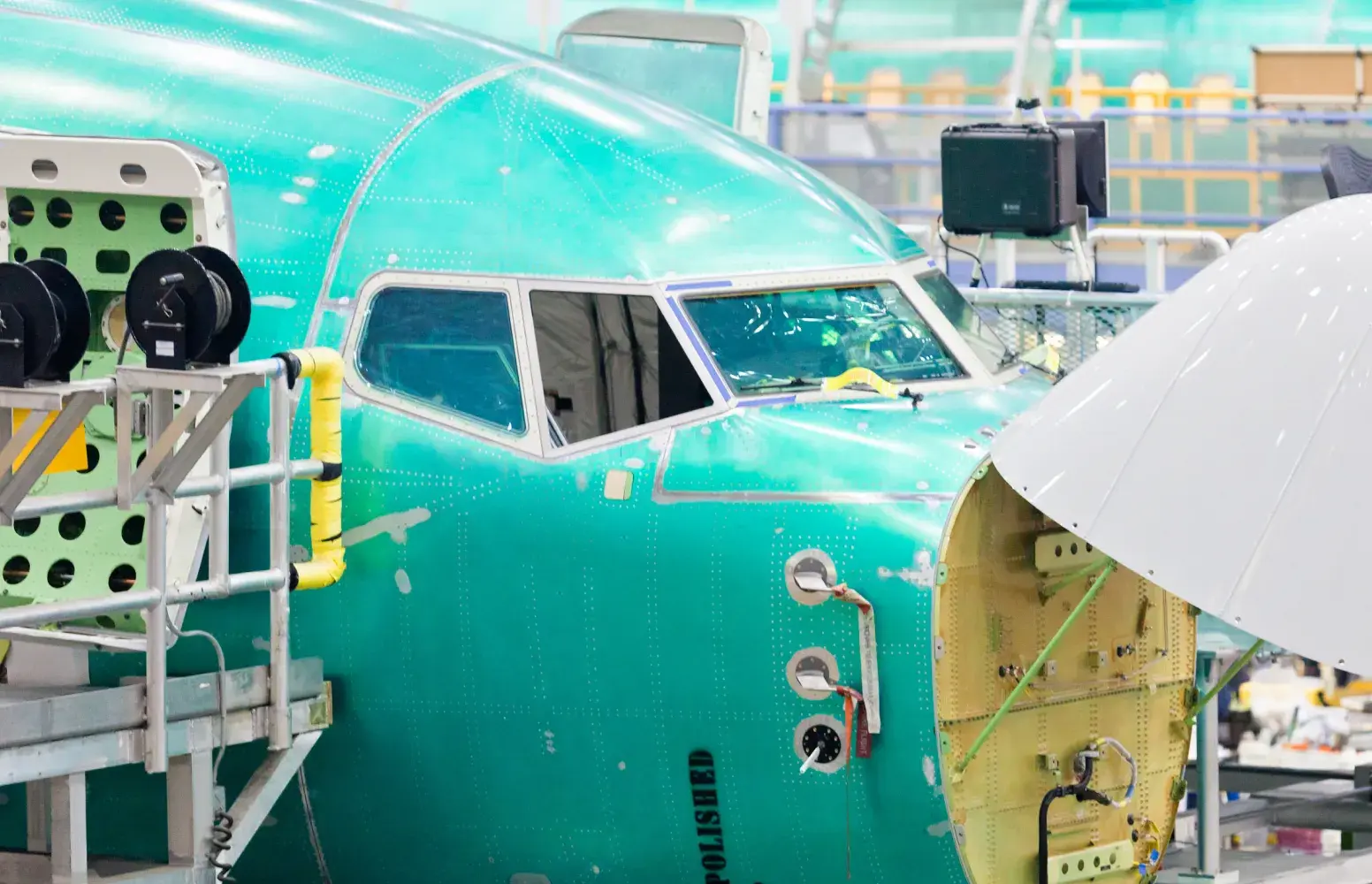
In parallel, Gulf Air confirmed plans to add up to 18 Boeing 787 Dreamliners to its fleet. The deal is valued at $4.6 billion according to list prices. The Bahrain carrier already operates 10 Boeing 787-9s and has another two aircraft on firm order. With this new deal, the airline will focus on premium long-haul routes linking Bahrain with Europe and Asia.
The move complements Gulf Air’s ongoing fleet modernization and reflects a targeted strategy rather than aggressive network expansion. The 787 order also represents an essential regional win for Boeing at a time when Airbus has dominated recent narrowbody sales in the Middle East.
What This Means for the Market
These deals highlight three significant trends:
1. Leasing Market Recovery
The aircraft leasing industry usually has a finger on the pulse of the aviation economy. The recent order by Avolon represents how the industry is expected to grow in the next few years, with renewed appetite among lessors to secure aircraft ahead of the next upcycle. As airlines prioritize flexibility amid uncertain times, the demand for leasing is expected to increase.
2. Airbus vs Boeing Dynamics
The two announcements also showcase the stiff competition between two of the biggest names in aircraft manufacturing. While Airbus continues to dominate narrowbody sales, Boeing maintains a strong presence in the widebody segment. It offers an opportunity for both airlines and leasing companies to hedge their strategies and balance both manufacturers in their portfolios.
3. Strategic Growth vs Opportunistic Expansion
Gulf Air’s order indicates a focus on premium growth aligned with its network strategy. The 787 Dreamliner already serves as the backbone of Bahrain’s national carrier’s long-haul operations, connecting over 50 destinations. The addition to this fleet will help the airline grow its long-haul network.
Likewise, Avolon’s bulk purchase points towards a strategic move where more leasing companies will be interested in acquiring aircraft to meet anticipated global demand across multiple carriers and route types.
Enjoying the article?
Follow us and never miss an update on the aviation industry.
Conclusion
Both orders mark a return of high‑volume fleet planning not seen since before the pandemic. With production slots filling up and traffic forecasts continuing to rise, these announcements suggest the industry is shifting from cautious recovery to proactive growth.