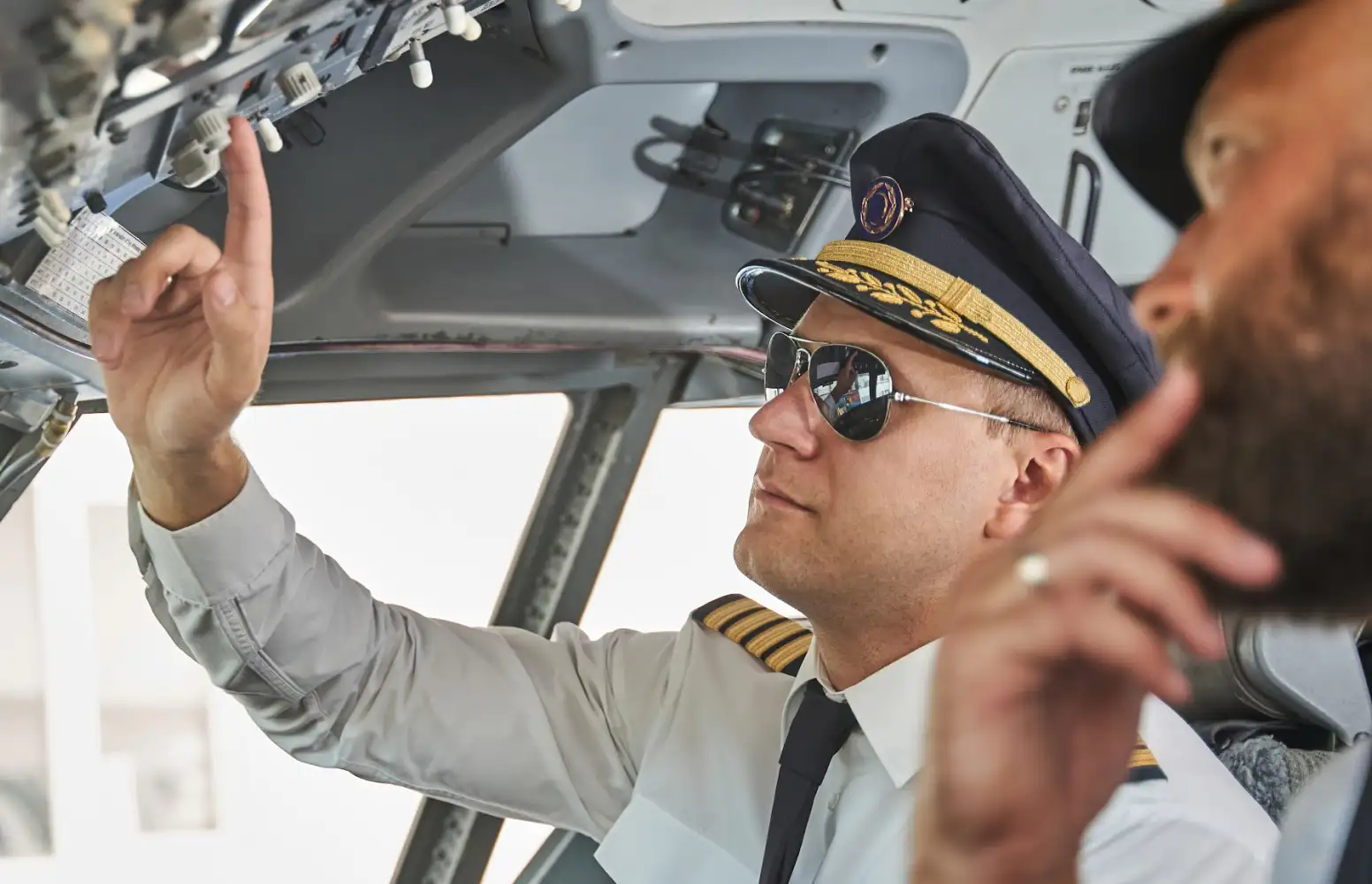
Aviation has been running short of pilots for years, but the most pressing problem right now is the lack of experienced pilots. This was something we heard over and over again when we attended Pilot Expo in Brussels, Belgium, and is not a problem that is going to go away anytime soon.
Boeing and Airbus have both published projections estimating the global aviation industry will need in the region of 600,000 new pilots over the next decade to keep pace with fleet expansion and natural attrition. That figure includes the full pipeline, from trainees to experienced commanders, but the acute pressure is concentrated at the top end. Airlines can train cadets and develop junior first officers over time, but they cannot manufacture captains quickly - and that is where the gap is widest.
The problem is such that many airlines, traditionally rigid in their recruitment criteria, are relaxing these restrictions and ‘bending the rules’ so that they can seek pilots from a larger talent pool, speed up the recruitment process and take on the cost of bridging that gap through additional training, such as type rating, themselves.
While the situation is frustrating for airlines - and will continue to be so for the foreseeable future - it’s good news for pilots with experience as they find themselves in demand now more than ever.
Retirements Are Driving the Urgency
Mandatory retirement ages vary by country, but in most major markets, pilots must stand down from commercial operations at 65. Airlines that expanded aggressively in the early 2000s hired large cohorts of pilots at a similar time - these are now approaching or passing that threshold in significant numbers. The result is a steady drain of the most experienced crew from the active roster, one that training pipelines are struggling to offset at the same pace.
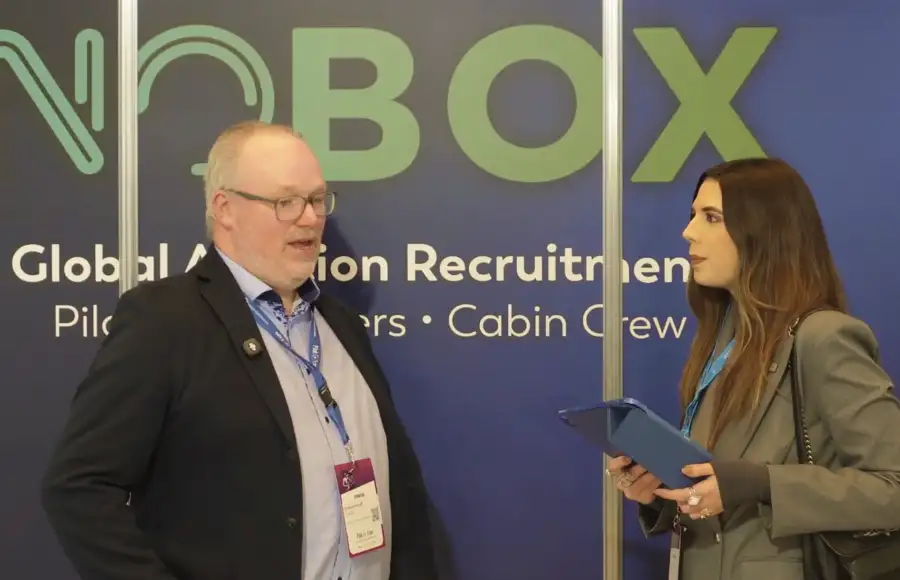
Francis Farrell, Director of Nobox, works across a wide range of pilot recruitment mandates and sees the imbalance directly. "80% of what we do is looking at experienced pilots. That's where the real shortage is at the moment - and getting yourself in with a level of flying 500 hours plus, top hours of maybe 15,000 is where you need to get, and once you get there, all the doors open."
That window between roughly 500 and 15,000 hours represents the bulk of a working career, and it is the cohort airlines are currently competing over most intensely. Pilots in that band have enough time to be immediately useful but are not yet approaching retirement, making them the most commercially attractive candidates on the market.
Captain Roles: The Hardest Seats to Fill
Recruiters operating in commercial aviation are reporting a consistent theme across client briefs: captain vacancies are piling up. It is not just that there are more roles than usual - it is that the roles are staying open for longer, and airlines are having to revise their requirements to get them filled at all.
Daniella Baker, Aviation Recruitment Specialist at Resource Group, has seen this play out consistently in mandates coming through so far in 2025.
"We're seeing a lot of captain roles available at the moment - that definitely seems to be a trend that we are seeing in 2025 through 2026. There seems to be a real demand for captains; a real shortage of pilots in general, but particularly captains."
Part of what is making this so acute is that the captain pipeline is long.
Unlike certain technical roles, you cannot simply offer more money and accelerate the supply of people with 5,000 hours of command time. Those hours have to be accumulated, which means any shortage at the top of the experience bracket takes years to correct through natural progression alone.
How Airlines Are Adjusting Their Approach
For years, many airlines maintained a fairly rigid picture of who their ideal hire looked like: type-rated on the specific aircraft, with hours logged at a comparable operation, ideally based nearby. That model is becoming increasingly untenable as competition for experienced pilots intensifies. Carriers are now adapting, and some of the changes are notable.
Francis says, "Airlines will have their perfect candidate, and their perfect candidate is somebody who is fully trained, has a flight rating, has gone to a flight school, and lives around the corner from where they're based. They know these people aren't available anymore, so now they're starting to bend the rules to get a bigger portion of what they need. And typically what we're seeing at the moment is that they're looking at non-rated positions."
Non-rated recruitment - taking on pilots without a type rating for the specific aircraft - requires the airline to invest in additional training, which carries cost and time implications. That airlines are increasingly willing to absorb those costs is a direct indicator of how tight the market has become. Francis also highlights the growing appetite for strong first officers who are not quite command-ready, "If they've got somebody - a strong first officer who's not quite there in terms of command - they're very hot candidates at the moment, so moving to a new airline with pretty much a guarantee of command in maybe six months is something we see a lot of."
The offer of an accelerated command pathway is significant. Historically, progression to captain at a major carrier could take a decade or more, with seniority lists that moved slowly. The fact that airlines are now offering command guarantees within six months to attract senior first officers represents a genuine shift in how they're prepared to compete.
Flexibility Now Drives Pilot Recruitment
Daniella has noticed the same, saying that the rigid requirements many airlines held to even three or four years ago are quietly being softened across the board.
"With pilots, some airlines will look for that golden egg; they want the exact right amount of hours on the exact aircraft type, and we're seeing more and more that pilots are the ones who are in demand. So they are having to really adjust to what the market is giving them at the moment. So I'm finding there is a lot of flexibility from airlines to be able to fill their vacancies."
This flexibility is showing up in several ways: accepting pilots from different fleet types, relaxing minimum hour requirements on specific aircraft, offering relocation packages that were previously off the table, and, in some cases, reconsidering base restrictions that used to be firm. For pilots who have historically been asked to fit themselves around what airlines want, the reversal in leverage is notable.
Daniella continued, "I think it's a very exciting time to be a pilot at the moment. The pilot shortage puts the ball in the pilot's court. They're able to look around and with the real demand airlines are having to work with what they've got now."
A Decade of Opportunity Ahead
For those currently working through the lower hours bands and building experience, the medium-term picture looks genuinely positive.
The pressures driving the current shortage are structural, and they are not going to resolve quickly. New aircraft deliveries from both Boeing and Airbus are expected to add substantially to global fleet capacity over the next ten years, requiring a corresponding expansion in qualified flight crew.
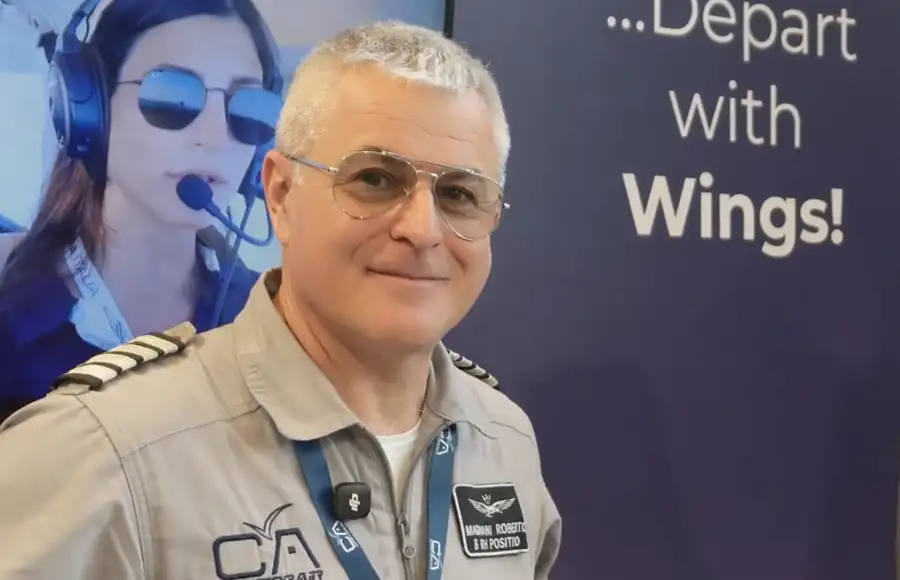
Roberto Magnani, Head of Training at Cantor Air, has a direct line to the training pipeline and sees the long-term demand clearly.
"The demand is very high for pilots. Companies like Boeing and Airbus are predicting that in the next 10 years, the need is about 600,000 pilots, so basically, right now, it's something very important to consider. Of course, in order to pursue this career, it's not like any other work; it's something that you need to have passion for. And so we expect that if someone today wants to become a pilot, it's their dream, it's something they can afford, and because the airlines are in need, I believe that in the next 10 years will be very, very good for getting a good job - our expectations are very high."
Roberto’s point about passion is more important than ever. The financial investment required to reach a commercial licence remains substantial - CPL training costs in Europe typically run from $90,000 to $150,000 (£67,000 to £111,000, €78,000 to €130,000) depending on route and school - and the early years of a pilot's career can involve relatively modest salaries for a significant workload.
The incentive structure improves markedly once a pilot crosses into the experienced bracket, but the front end of the journey is not easy. That makes Roberto’s observation about motivation particularly relevant: those who enter the profession purely as a career calculation tend to find the path harder than those who arrive with a genuine attachment to flying.
Enjoying the article?
Follow us and never miss an update on the aviation industry.
What This Means for Pilots Currently in the Market
For experienced pilots - particularly those between 2,000 and 10,000 hours with time on widebody or single-aisle jets - the current recruitment environment is the most favourable it has been in a generation. Airlines that previously showed little flexibility on type ratings, base locations, or contract terms are now negotiating. Command opportunities that might have taken eight to ten years at a legacy carrier are, in some cases, being offered within months as airlines fight to retain and attract capable senior first officers.
At the same time, the shortage is not so acute that airlines have abandoned all selectivity. The candidates generating the most interest are those who combine solid hours with a clean record, current recency on relevant types, and the kind of professional history that reduces airline risk. Experience matters, but so does the quality of that experience.
For those still accumulating hours, the message from across the recruitment sector is that the demand is real, the shortfall is structural, and the window of opportunity that opens around the 500-hour mark does not look like closing any time soon.
Getting to the experience thresholds that matter - and maintaining recency and professional currency along the way - remains the clearest route to benefiting from a market that, for once, is firmly on the pilot's side.