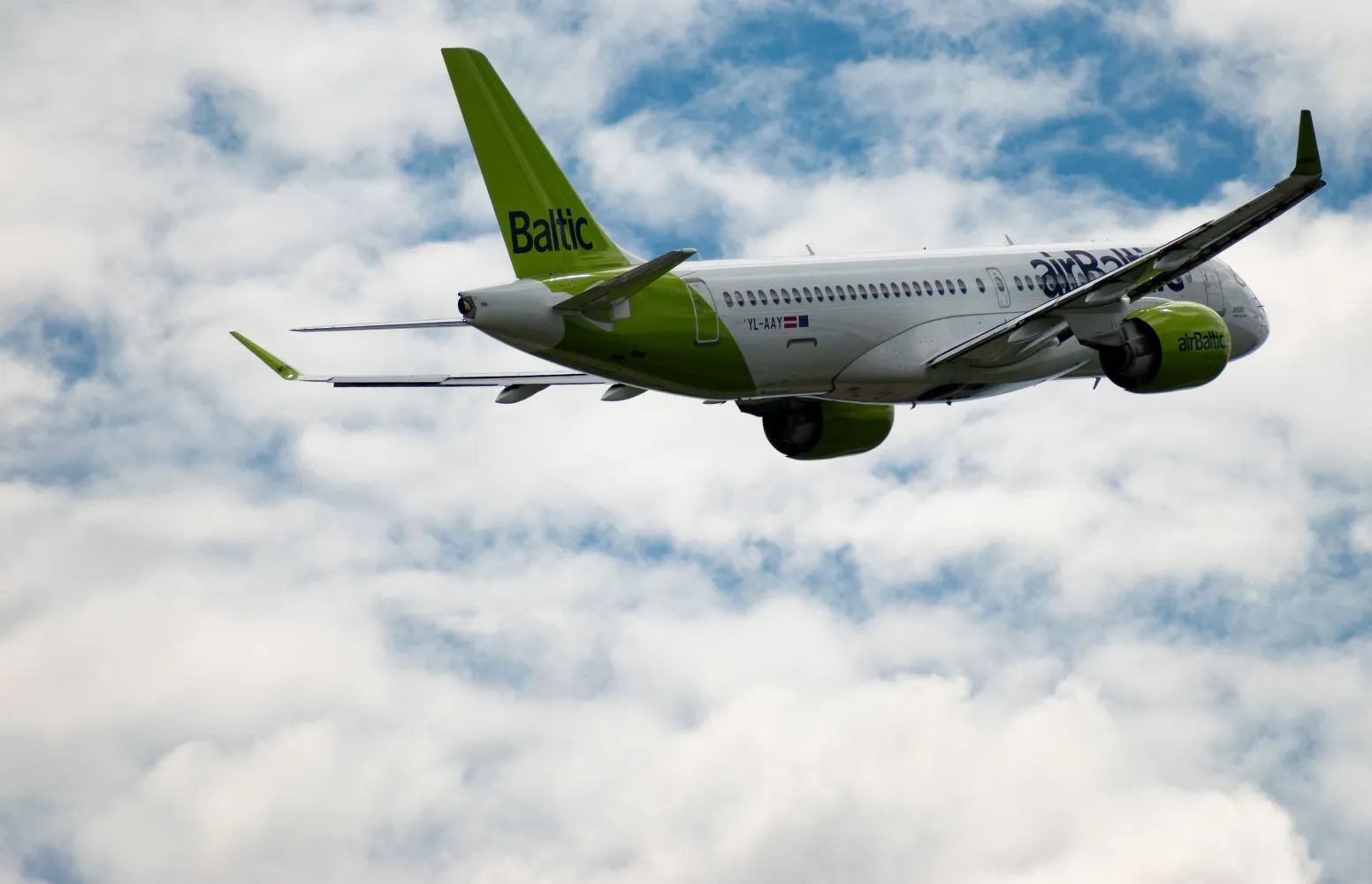
Latvian airline airBaltic has been honored as one of the global leaders in sustainability for 2025 by Airline Ratings, a renowned platform specializing in airline safety evaluations, passenger reviews, and industry news.
airBaltic’s 2025 recognition as a global sustainability leader signals a clear shift in how even smaller carriers can make an outsized difference. Among airlines like Etihad and Cathay Pacific, being singled out now brings industry attention - and expectations - for those just starting.
Pauls Cālītis, Interim CEO and COO of airBaltic, was quoted as saying, “This recognition represents a valued acknowledgement of airBaltic’s sustainability efforts. Over the past years, we have taken consistent steps to reduce our environmental footprint – from operating one of the most modern and efficient fleets in Europe to introducing responsible practices across our operations. Having airBaltic be ranked among the leading airlines in sustainability by AirlineRatings.com motivates us to continue driving positive change for the future of aviation.”
airBaltic: A Short History
The Latvian low-cost airline traces its roots back to 28 August 1995, when Scandinavian Airlines and the Latvian state joined forces to create it. Its first flight took off from Riga to Stockholm on 1 October 1995 using a Saab 340 aircraft. Over the next three decades, the airline has transported more than 65 million passengers, completing in excess of one million flights. Fast forward to the present day, airBaltic’s fleet is made up of around 50 Airbus A220-300 jets, connecting more than 80 destinations and 130 routes across Europe, the Middle East, North Africa, and the Caucasus.
Sustainability efforts, meanwhile, have never been an afterthought. From early adoption of efficient procedures for pilots, recycling, and energy-saving routines, to audited sustainability reporting in 2023, airBaltic has steadily built its environmental, social, and governance framework. The carrier has also pledged to achieve carbon neutrality by 2050.
In recognition of its modern fleet, the airline won Europe’s third youngest Aircraft Fleet Award in 2025. This was the third time it won this accolade. And as of 2025, it ranks among the world’s 50 safest airlines.
The recent announcement has placed airBaltic among the world’s sustainable aviation leaders in 2025, alongside established names such as Etihad and Cathay Pacific. That grouping matters. Etihad’s Sustainability Week and energy-efficient operations garner attention, while Cathay Pacific lays out long-term plans for carbon reduction. airBaltic now shares that spotlight - even while its scale remains smaller than those giants.
Smaller Scale, Bigger Impact
Sustainability has become a focus area for airlines across the world. airBaltic’s inclusion in the sustainability listing definitely shows that sustainable operations need to be the core tenet around which the process has to be set up, whether the airline in question is a big whale of the aviation industry or a low-cost one. Other airlines compare in differing ways.
Etihad is actively investing in hydrogen research and SAF (sustainable aviation fuel) trials, with demonstrator flights and fuel-efficient tech projects. Cathay Pacific has leaned heavily into long-haul emissions offsets, SAF uptake, and modernising its wide-body fleet. Lufthansa Group carriers, including Lufthansa itself or Swiss, tend to pursue fleet renewal, SAF blending and carbon offset programmes, coordinated through group ESG targets.
Enjoying the article?
Follow us and never miss an update on the aviation industry.
Compared to these, airBaltic brings its own advantages. Beyond its all-A220 fleet, airBaltic is also managing real-world challenges. For instance, in early 2025, Lufthansa agreed to acquire a 10 per cent stake in the airline via convertible shares. That deal gives Lufthansa a seat on the supervisory board and helps fund airBaltic’s growth ambitions.
From the lens of sustainability, these developments have the potential to make a long-term impact. Growth backed by external investment can accelerate fleet modernisation and SAF adoption, a much-needed time to hit neutrality targets.
What lessons can aviation professionals learn from airBaltic’s rise in sustainability? It is that a lean fleet can deliver environmental wins; audited and visible sustainability reporting builds reputational capital, and setting up a carbon-neutral target - even decades ahead - provides clarity. But one thing is clear- sustainability is no longer a big-airline preserve.