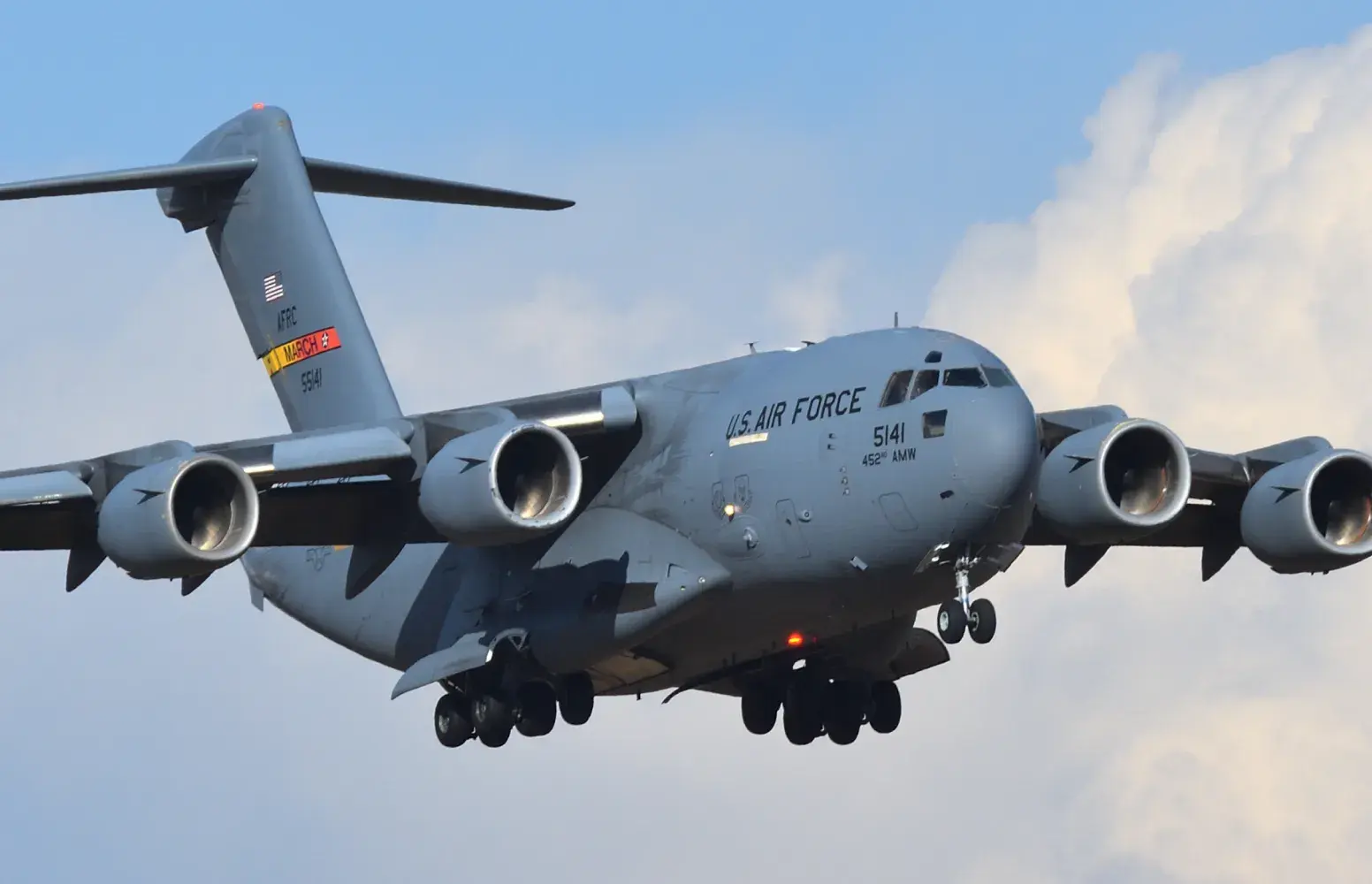
Did you know that the United Kingdom’s Royal Air Force (RAF) is the world’s oldest independent air force, with its founding year going back to 1918. It is, however, not the biggest air force in the world. So, who has the biggest air force in the world? Air forces around the world have come a long way since the early days of aviation. Today, air power is critical for any nation's defense strategy. The largest air forces in the world are equipped with advanced fighter jets, bombers, transport planes, and attack helicopters, capable of projecting power and defending airspace.
The article provides a comprehensive overview of the biggest air force in the world and the forces that come after number one. This is a list of air forces by size of their fleet.
1. United States
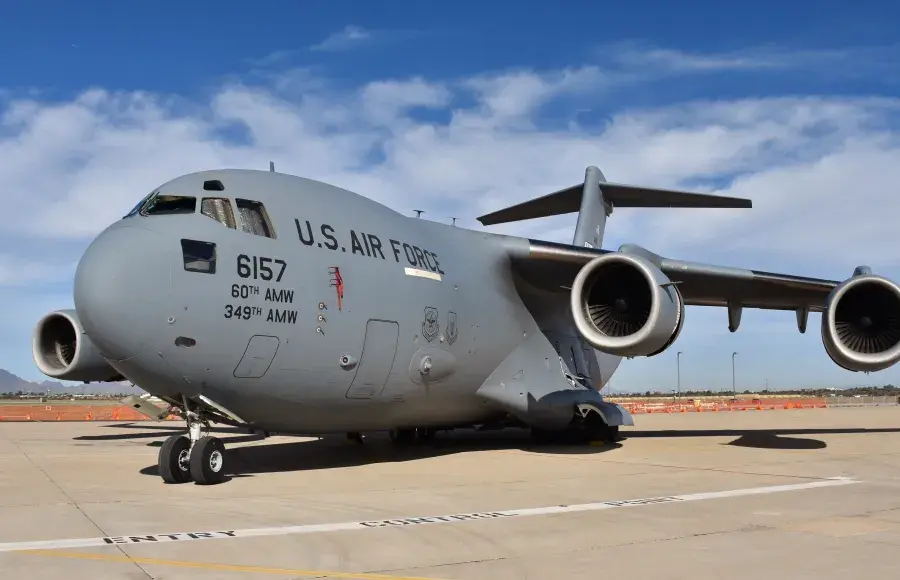 Photo Credit: michaelfitz, Adobe Stock Images
Active Fleet - 13,043 aircraft
Who has the biggest air force in the world? The United States Air Force is considered one of the most advanced air forces in the world, and for the right reasons. It also has the largest air force size by country. Established as an independent military branch in 1947, it evolved from the air force operations of World War II.
Fast forward to the present, the USAF possesses one of the largest military aircraft fleets globally, playing a critical role in the defence strategy of the country. The USAF has a diverse fleet, including fighter aircraft, bombers, transport aircraft, aerial refuelling tankers, surveillance platforms, and unmanned aerial systems. Some of the most popular names include Lockheed Martin F-35 Lightning II and Lockheed Martin F-22 Raptor. The US Air Force also has bombers such as the Northrop Grumman B-2 Spirit and the Boeing B-52 Stratofortress, giving it long-range strike capabilities.
The US figures among the largest air forces in the world because of its global reach. It has a large network of bases, advanced logistics systems, and aerial refuelling capabilities; it can conduct operations far beyond US borders. Additionally, the country can also operate space and cyber-related capabilities through dedicated commands, reflecting the changing nature of modern warfare.

Posted 11 days ago
2. Russia
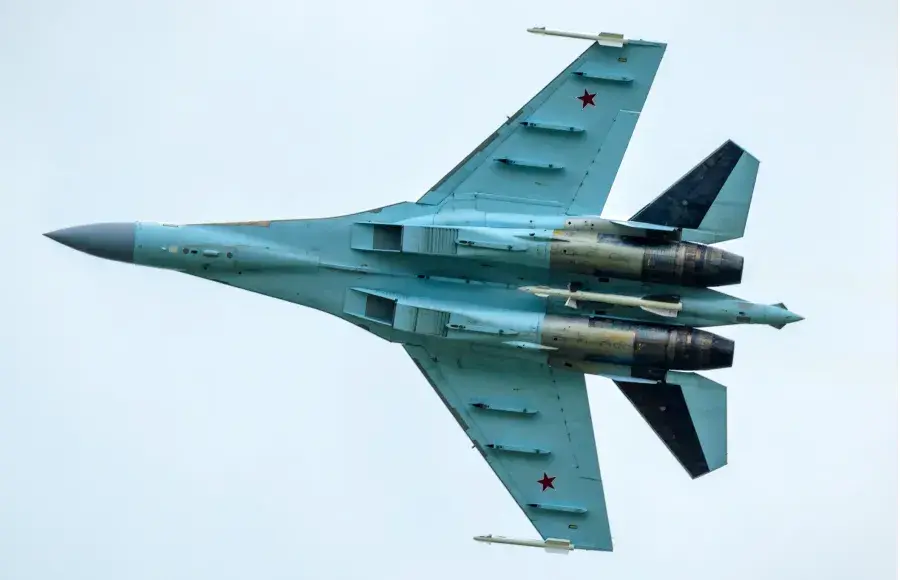 Photo Credit: Scaliger, Adobe Stock Images
Active Fleet - 4,792 aircraft
The 2nd largest air force in the world is the Russian Aerospace Forces, which represents a major component of Russia’s military power. The present air force of the country was formed after merging the Russian Air Force and Aerospace Defence Forces. The current unit oversees air operations, missile defence, and space-related capabilities.
As one of the largest air forces in the world, Russia's key strength lies in missile systems and integrated defence networks that are designed to protect its airspace. At present, its air force supports advanced aircraft, such as Sukhoi Su-57, Sukhoi Su-35, and Mikoyan MiG-31. It also operates strategic bombers, including the Tupolev Tu-160 and Tupolev Tu-95, which provide long-range strike capabilities.
As the second largest air force size by country, the Russian Air Force relies heavily on factors like air superiority, long-range aviation, and strategic deterrence. Since the country covers a large region, its safety requirements have shaped a force capable of operating across vast distances.
3. China
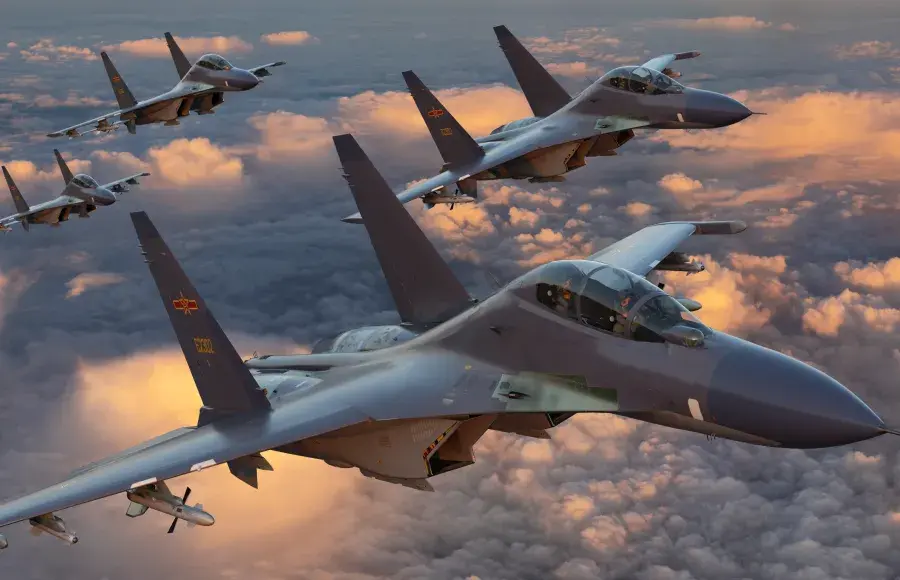 Photo Credit: Mike Mareen, Adobe Stock Images
Active Fleet - 3,309 aircraft
The 3rd largest air force in the world is China’s People's Liberation Army Air Force (PLAAF). Established in 1949, the PLAAF has witnessed a rapid transformation, from a primarily defensive force into a technologically advanced air power capable of supporting China’s broader military objectives.
As the third largest air force, China has invested heavily in developing and expanding its fighter jet fleet. The country has advanced aircraft, such as the Chengdu J-20 stealth fighter, Shenyang J-16, and Chengdu J-10. Apart from fighter jets, the PLAAF also operates transport aircraft, early warning systems, aerial refuelling aircraft, and unmanned aerial vehicles.
In recent years, the PLAAF has heavily focused on integrating advanced technology, including artificial intelligence, electronic warfare, and network-based operations.
4. India
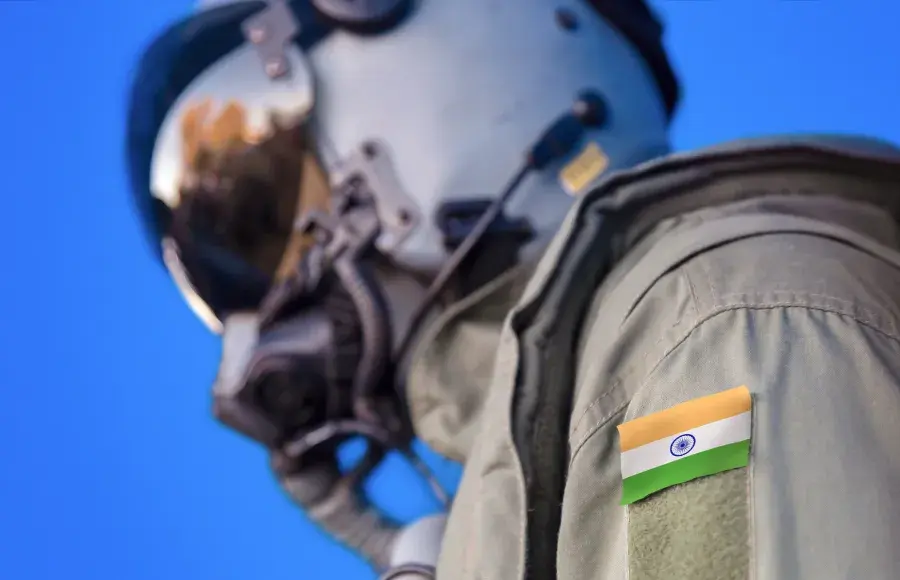
Active Fleet - 2,229 aircraft
The 4th largest air force in the world is the Indian Air Force (IAF). Established in 1932, the IAF is one of the largest air forces in the world and has played a vital role in supporting the country’s defence operations while keeping a focus on fleet modernization.
As the fourth largest air force, the IAF operates a diverse fleet, composed of fighter jets, transport aircraft, helicopters, and surveillance platforms. It operates advanced aircraft, such as Dassault Rafale, Sukhoi Su-30MKI, and HAL Tejas. These aircraft support roles include air defence, ground attack, and strategic missions.
Besides the aircraft purchased from other countries, the IAF has also developed its very own indigenous aviation capabilities through programmes such as the Tejas fighter aircraft. It has also focused on modernizing other aspects of defence systems like modern radar systems, air defence networks, and advanced weapons. The IAF is well-equipped to operate across diverse geographical conditions, from deserts to high-altitude Himalayan regions.
5. South Korea
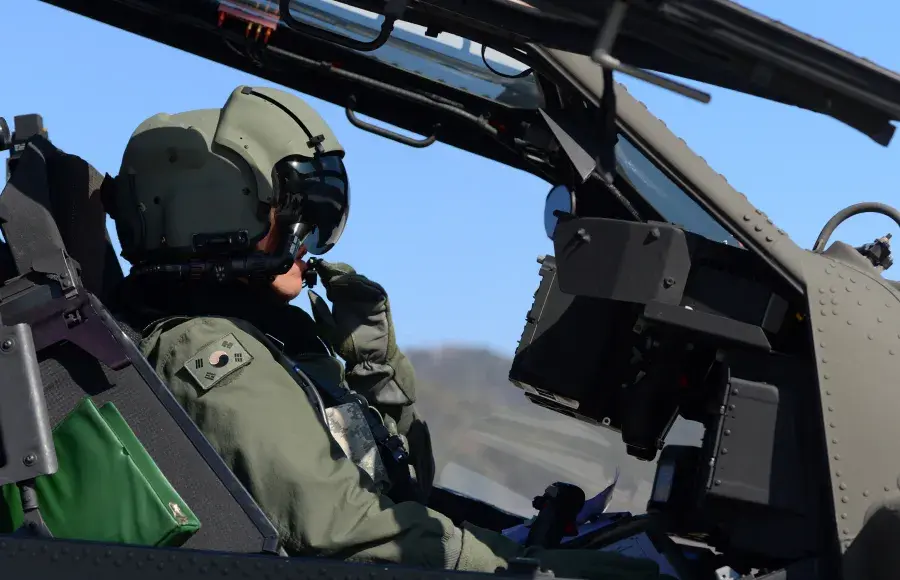 Photo Credit: Yeongsik Im, Adobe Stock Images
Active Fleet - 1,592 aircraft
The 5th largest air force in the world is the Republic of Korea Air Force (ROKAF). It is also one of the most technologically advanced air forces in Asia. With roots going back to 1949, the ROKAF has played a strategic role in protecting South Korea’s airspace and maintaining readiness due to the country’s strategic security environment.
As the fifth largest air force, the ROKAF operates a diverse fleet consisting of aircraft, surveillance systems, transport aircraft, and helicopters. Some of the best-known aircraft include the Lockheed Martin F-35A Lightning II, KAI T-50 Golden Eagle, and F-15K Slam Eagle.
The South Korean government has invested heavily in developing its domestic aerospace industry and defence system. A prime example of this focus lies in the development of the KF-21 fighter programme. The ROKAF also focuses on air defence, surveillance, and the maintenance of combat readiness.
6. Japan
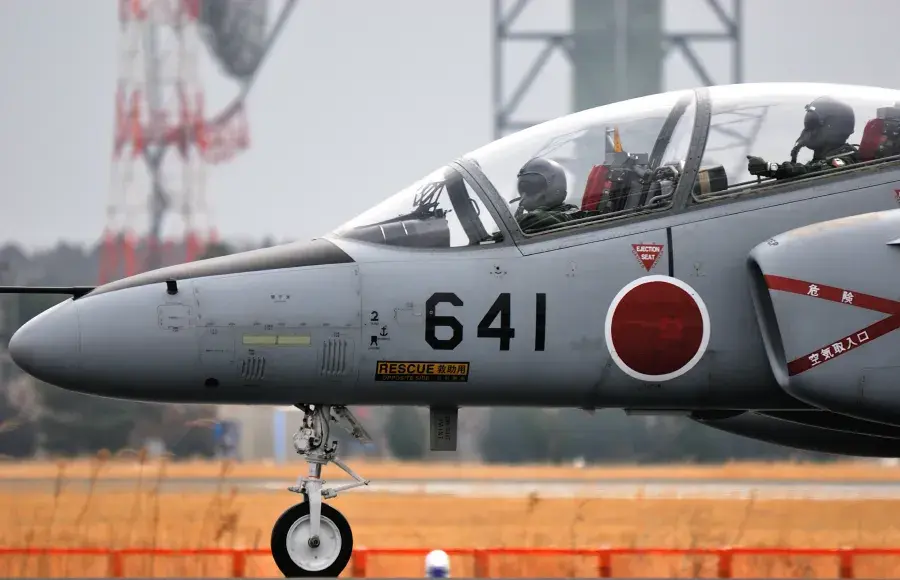 Photo credit: zapper, Adobe Stock Images
Active Fleet - 1,443 aircraft
The 6th largest air force in the world is the Japan Air Self-Defense Force (JASDF). The JASDF is known for its advanced technological standards, superior training programs, and modern aircraft fleet, which includes advanced fighters such as the Lockheed Martin F-35A Lightning II, Mitsubishi F-2, and McDonnell Douglas F-15J Eagle.
As the sixth biggest air force in the world, the JASDF has focused on improving its military capabilities through investments in early warning systems, radar networks, and advanced surveillance technology. The air force is known for its high level of training modules and operational precision. With advanced aircraft, sophisticated technology, and highly trained personnel, the Japan Air Self-Defense Force remains one of Asia’s most capable air forces.
7. Pakistan
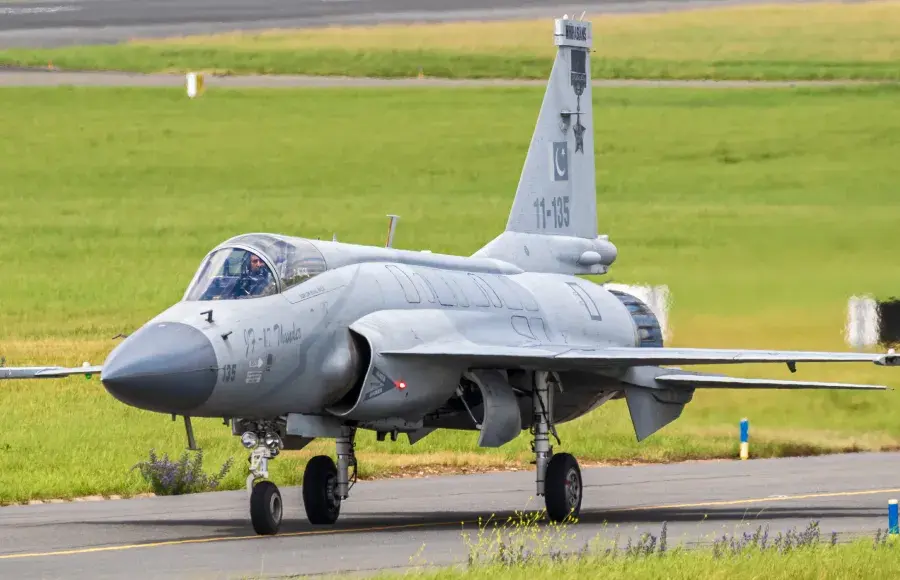 Photo credit: VanderWolf Images, Adobe Stock Images
Active Fleet - 1,399 aircraft
The seventh largest air force in the world is the Pakistan Air Force (PAF), which has played a major role in the country’s defence strategy. Established in 1947, the PAF is known for its focus on fighter operations, air defence, and pilot training.
The PAF operates a diverse and advanced range of fleet, including the CAC/PAC JF-17 Thunder, General Dynamics F-16 Fighting Falcon, and other aircraft used for combat and training missions. The JF-17, in particular, represents Pakistan’s effort to build a cost-effective modern fighter capability.
As the seventh largest air force, PAF’s main strength lies in its emphasis on pilot training and operational readiness. To make this happen, the country’s air force has consistently focused on maintaining skilled personnel and regularly conducts exercises with international partners.
Other Notable Air Forces
While the above-mentioned air forces are some of the largest in the world, some other countries also make the list. This includes the Egyptian Air Force with an active fleet of 1,093, the Turkish Air Force with an active fleet of 1,083 aircraft, and the French Air and Space Force with an active fleet of 976 aircraft.
These air forces, while smaller than the top seven, still possess significant capabilities and play important roles in their respective regions. One of the most significant trends is the push for modernization and technological advancements. Countries have invested heavily in developing and acquiring the latest fighter jets, bombers, and other aircraft. This includes stealth technology, advanced avionics, and precision-guided munitions.
Despite the impressive capabilities of the world's largest air force, you need to consider its challenges and limitations. Maintaining and upgrading aging aircraft fleets can be costly and time-consuming. Budgetary constraints and competing priorities can also limit the resources available for air force modernization.
Additionally, the proliferation of advanced surface-to-air missile systems and anti-aircraft artillery threatens even the most sophisticated air forces. Pilots and crews must be highly trained to operate in these challenging environments.
Frequently Asked Questions
Q1. What criteria are used to rank the air forces in the world?
The primary criteria used to rank the largest air force in the world are the total number of military aircraft, the capabilities of those aircraft (e.g., fighter jets, bombers, transport planes), and the overall technological sophistication of the air force.
Q2. How does the United States Air Force maintain its dominance?
As the world’s largest air force, the USAF maintains its dominance through a combination of factors, including a massive fleet of over 13,000 aircraft, cutting-edge technology like the F-22 Raptor and F-35 Lightning II, an extensive network of bases worldwide, and highly trained and experienced personnel.
Q3. Is China's rapid expansion of its air force a cause for concern?
Being the third largest air force, China's rapid expansion and modernization of its air force, the PLAAF, is certainly a development that other countries are closely monitoring. While the PLAAF may not match the USAF in technological sophistication, China's growing military might makes it one of the strongest air forces.
Q4. What challenges do the world's largest air forces face?
Some of the key challenges faced by the world's largest air force include maintaining and upgrading aging aircraft fleets, which can be costly and time-consuming, budgetary constraints and competing priorities that limit resources for modernization, and the proliferation of advanced surface-to-air missile systems and anti-aircraft artillery that pose a threat to even the most sophisticated air forces.
Q5. How do the air forces contribute to global stability?
The largest air force and the other air forces on the list contribute to global stability in several ways, including deterring aggression through their sheer size and capabilities, supporting ground operations and humanitarian missions, and projecting power to defend national interests and promote regional stability. Air power has become essential to modern military strategy and international relations. Explore our blog to learn more about how to become an air force pilot.
Enjoying the article?
Follow us and never miss an update on the aviation industry.
Conclusion
The world's largest air force and the other big names on the list are a testament to the critical role of air power in modern military strategy, and their salaries reflect that. The United States Air Force stands out as the biggest and most powerful air force, with unparalleled capabilities and global reach. However, other countries, like Russia, China, India, and South Korea, are rapidly developing their air forces and challenging Western dominance. If you have dreams of entering our country’s air force, explore our blog to know more about air force pilot salaries. Understanding the salary prospects of an air force pilot can help you make a more informed decision about pursuing air force pilot jobs.
As the geopolitical landscape continues to evolve, the importance of maintaining strong and technologically advanced air forces will only grow. It will be crucial to project power, defend airspace, and support ground operations to ensure national security and promote global stability. While this article ranks the largest air forces in the world by fleet size, our blog on the strongest air forces in the world explores how technology, combat readiness, and operational capabilities influence overall military air power.
Header image credit: zapper, Adobe Stock Images