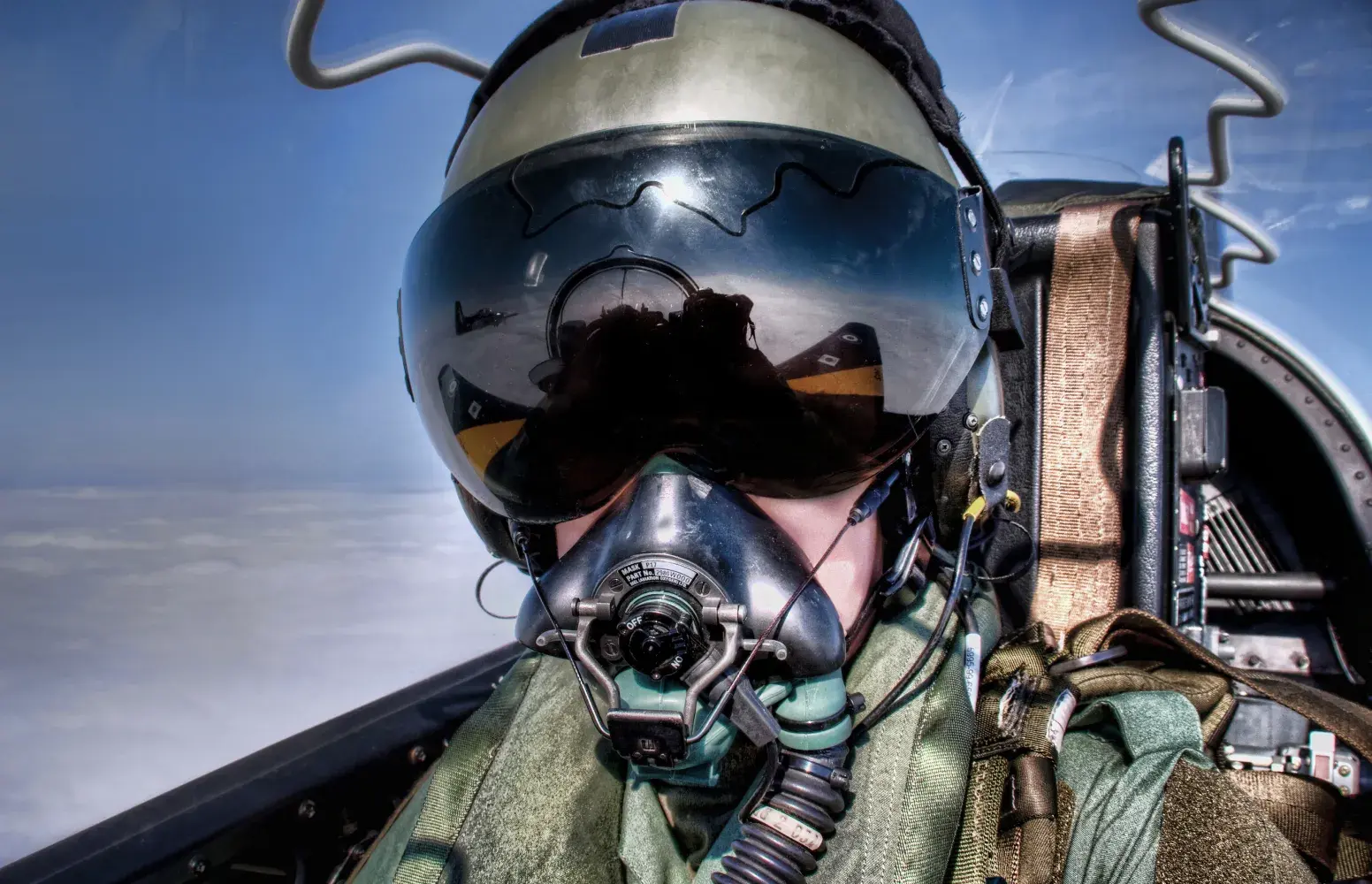
Many aspiring aviators research how to become a fighter pilot. Becoming an air force pilot is a career goal for many. Combining aviation, military service, and leadership, air force pilots play an important role in national defence and military operations. These pilots are responsible for aerial combat, surveillance, and transportation.
However, earning a place in a military flight training program requires more than a passion for flying. Candidates must meet specific educational, medical, and fitness standards, pass a competitive selection process, and complete demanding military and flight training. While the core requirements to become a pilot are similar across different air forces, each country has unique processes and standards.
If you are searching how to become air force pilot, it is crucial to understand that the pathway is the first step towards making an informed career decision. This blog explains the steps one has to take. This includes common eligibility requirements, application process, training stages, career opportunities, and skills. While the exact requirements vary by country, the information below provides a useful overview.
What Is an Air Force Pilot?
While many aspiring professionals research how to become a pilot in the air force, it is equally important to understand what the role is all about. An air force pilot is, essentially, a military officer. They are trained to operate aircraft for defence, security, and other missions carried out by a country’s air force. As pilots, they support military operations, protect national airspace, and assist other branches of the armed forces.
So, what does an average day in the life of an air force officer look like? Their duties are varied. A general breakdown includes:
- Mission preparation: Air force pilots are required to review flight plans, weather conditions, aircraft performance, and mission objectives.
- Flying military aircraft: They operate aircraft during training exercises, patrols, transport missions, or other authorised operations.
- Adherence to safety procedures: Such officers must complete pre-flight checks, manage in-flight risks, and respond to emergencies.
- Close collaboration: They are also required to coordinate with air traffic controllers, ground crews, mission commanders, and fellow aircrew.
- Operational readiness: As officers in the military, they must participate in regular training, simulator sessions, and physical fitness programmes.
- Team leadership: Depending on their rank and experience, they also supervise junior pilots or help coordinate flight operations.

Posted 11 days ago
Types of Air Force Pilots
When searching how to become air force pilot, you will also get to know that there are categories in being a military pilot. The most common categories include:
| Type of Pilot | Main Role |
|---|---|
| Fighter Pilot | Flies fighter aircraft for air defence, combat training, and other military missions. |
| Transport Pilot | Operates aircraft that carry personnel, equipment, and supplies. |
| Helicopter Pilot | Flies military helicopters for transport, rescue, surveillance, and support missions. |
| Reconnaissance Pilot | Operates aircraft used for surveillance and gathering information. |
| Training Pilot | Instructs and evaluates pilots during flight training and operational preparation. |
Becoming an Air Force Pilot
When researching how to become air force pilot, it is crucial that one understands the necessary steps. This includes educational requirements to complete military and flight training. While the exact process differs between countries, most aspiring military pilots follow a similar pathway.
1. Educational Requirements
The first step in how to become a military pilot is meeting the specified educational qualifications set by the air force you want to join. Many countries require a high school diploma, while others prefer a university education.
Some subjects are preferred in this field. This includes mathematics, physics, and science. These subjects help develop analytical and technical skills needed for aviation. If you are still in school, focus on building a strong academic foundation while maintaining good physical fitness. If you have completed your education, it is worth understanding whether you meet the academic requirements.
2. Eligibility
The next step in how to become a military pilot is to ensure that you meet the basic eligibility criteria. Most common requirements include age, citizenship, education, physical fitness, and medical standards.
Air forces around the world also have more specific prerequisites. These include height, vision, hearing, and general health. As an aspiring air force pilot, it is crucial to check the official recruitment requirements in your country. One should also note that meeting minimum requirements does not guarantee selection. It is, however, the essential first step.
3. Air Force Pilot Entry Route
The next step in how to become a fighter jet pilot is understanding the entry route. Most enter through a military recruitment or officer training program. It depends on the country and usually includes military academies, officer training programmes, or direct recruitment.
It is crucial to carefully research the available options and compare their educational requirements. Along with this, you must understand the structure, service commitments, and application deadlines. The right entry route can contribute to more effective preparation.
4. Selection Process
The next step in understanding how to become a fighter jet pilot is to submit your application through the relevant air force recruitment system. The selection process is often competitive and may involve several assessments.
It typically includes academic tests, physical fitness assessments, medical examinations, interviews, leadership assessments, and flight aptitude testing. The purpose of all this is to evaluate if you have what it takes to join air force flight training
5. Military Training
The next step in understanding how to become a pilot in the air force is military training. This stage introduces recruits to military discipline, leadership, teamwork, and the responsibilities of serving in the armed forces.
Military training usually includes physical conditioning, military drills, classroom instruction, and other activities. All of these are designed to prepare candidates for service life. The duration and structure vary by country and programme.
This stage is important as air force pilots must be prepared to work within a chain of command.
6. Flight Training
The next item in the list of airforce pilot requirements includes flight training. This is where you begin to develop the actual practical skills. This includes ground school, basic aircraft handling, takeoffs and landings, navigation, instrument flying, emergency procedures, simulator training, and flight assessments.
Students gradually progress from basic flying skills to more advanced manoeuvres and operational procedures. They must demonstrate the required level of competence before moving to the next stage.
7. Aircraft Type
The next step in understanding how to become an RAF pilot is to choose an aircraft category. This is generally based on a pilot’s performance, aptitude, and the needs of the air force.
Possible specialisations in airforce pilot requirements include fighter aircraft, transport aircraft, helicopters, or other military aircraft. The training required for each type can differ considerably.
8. Earn Your Wings
The next step to understanding how to become a pilot in the Australian Air Force is to successfully complete flight training and meet the required standards. Pilots may also receive their wings or equivalent qualification.
Once they obtain this, they can then begin operational duties, subject to the requirements of their air force. They may also take on additional responsibilities as they gain experience and progress through the military ranks. Learn more about what life is like working across military and civilian aviation.
Skills Needed to Become an Air Force Pilot
Whether you are researching how to become a USAF pilot or how to become a Canadian Air Force pilot, some skills are common to every nation. Military pilots must combine technical knowledge, physical fitness, leadership, and the ability to make sound decisions under pressure. If you’re considering a career as an air force pilot, explore our blog on air force pilot salaries to understand earning potential.
- Medical readiness: When researching how to become a fighter pilot, you will know that air force pilots have a demanding work schedule. Thus, it is crucial to meet the physical and medical standards established by your country’s air force.
- Decision-making: The military can be unpredictable. It requires one to assess information quickly and make decisions in changing situations. Developing the ability to remain calm and focused can be valuable throughout flight training and operational service.
- Situational awareness: Military pilots are required to monitor aircraft instruments, weather, airspace, and mission-related information. Good situational awareness supports safer flying and helps pilots respond effectively to developing situations.
- Leadership skills: As air force pilots, you will be required to lead aircrew, work with other pilots, and coordinate with ground personnel and mission teams. Leadership skills will help you take responsibility, communicate clearly, and support your team.
- Adaptability: Being adaptable can help you respond to new aircraft, changing missions, and unfamiliar situations. These qualities are important because air force pilots continue to undergo training even after receiving their wings.
- Communication skills: Air force pilots must know how to communicate with air traffic controllers and other aircrew, and share important information with their teams.
- Continuous learning: A willingness to learn and improve can help pilots adapt to new aircraft, technologies, and operational requirements.
Frequently Asked Questions (FAQs)
1. What is the age limit to become an air force pilot?
Air force pilot age limit vary by country and entry route. Some air forces allow candidates to apply just after high school, while others require a college education. Take the United States, for example. The air force pilot age limit begins at age 18 and ends before the candidate’s 33rd birthday. Explore a comparison of the world’s leading air forces and their strength, aircraft, and capabilities.
2. What are the height requirements to become an air force pilot?
Air force pilot height requirements depend on the country, aircraft type, and applicable medical standards. Air force pilot height requirements also vary by aircraft, and applicants who are significantly taller or shorter than average.
3. How do I become an IAF pilot?
So, how to become IAF pilot? Aspiring pilots can explore entry routes provided by the National Defence Academy, Combined Defence Services, or other Indian Air Force recruitment programs. The selection process includes written examinations or other assessments, interviews, medical examinations, and military and flight training.
4. Is it easier for military pilots to become airline pilots?
Military helicopter pilots might have some advantage over other candidates. But the process is not necessarily easier. Military pilots may also have substantial flight experience and experience operating in complex environments. However, they still need to satisfy civilian aviation regulations and airline-specific requirements.
5. What civilian jobs can military helicopter pilots get?
The transition from military helicopter pilot to airline pilot is not the only transition for military pilots. Their experience makes them eligible for roles such as commercial helicopter pilot, EMS pilot, aerial survey pilot, offshore helicopter pilot, utility pilot, flight instructor, or corporate helicopter pilot. One can also look for non-flying roles, such as flight operations, aviation safety, training, crew management, or aviation management.
Enjoying the article?
Follow us and never miss an update on the aviation industry.
Conclusion
How long does it take to become an air force pilot? Becoming an air force pilot is a challenging yet rewarding journey that requires dedication, education, and training. While the pathways to becoming a pilot can vary significantly, the core principles of commitment, physical fitness, and technical proficiency remain constant.
Whether you aspire to become a fighter pilot, a military pilot, or a pilot in the air force, understanding how to become a fighter jet pilot in different countries can help you navigate your path to achieving your dream. And if you are deciding which military aviation career is right for you, explore our blog on air force pilot vs navy pilot to understand the differences in training, aircraft, responsibilities, and career opportunities.