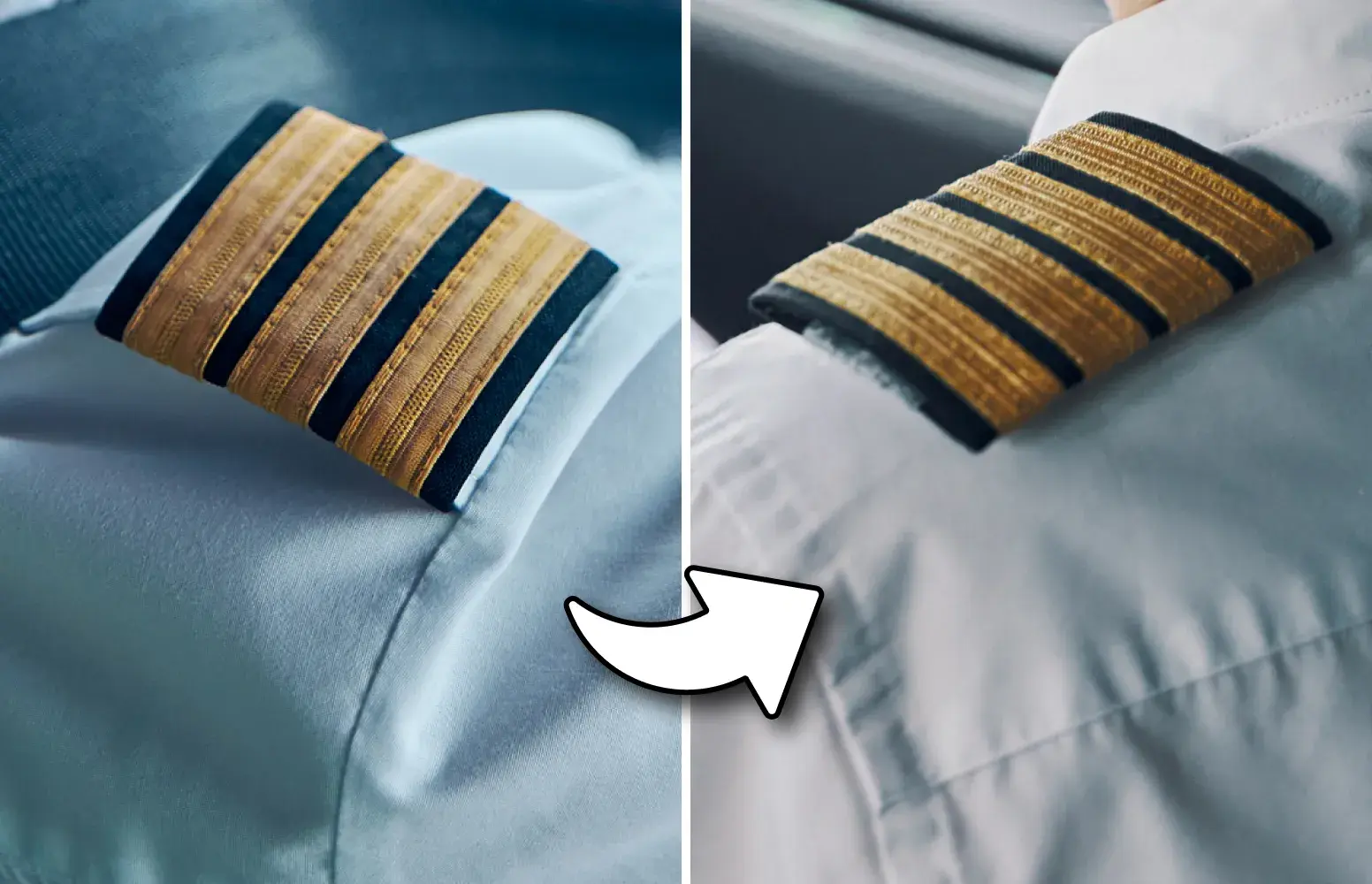
For many commercial pilots, the journey from first officer to captain is one of the most crucial steps in their career. A first officer plays an important role in operating the aircraft and supporting the Captain. A captain takes greater authority, leadership responsibilities, and overall accountability for the safe operation of every flight.
The transition from first officer to captain is not just about accumulating the required flight hours. As a pilot, you must demonstrate strong technical knowledge, sound decision-making, and leadership abilities. The exact requirements and timeline can also vary depending on the airline, aircraft type, regulatory requirements, and a pilot's seniority.
In this guide, we explore the journey from first officer to captain time.
The Journey from First Officer to Captain
The progression from first officer to captain involves much more than just additional flight hours. Pilots must build operational experience, meet licensing requirements, and demonstrate stellar leadership capabilities. While the exact steps vary by country, there are some general guidelines.
1. Earn the Pilot Qualifications
The first step to first officer to captain promotion is to obtain the professional pilot qualifications. This will involve obtaining a Commercial Pilot License (CPL), instrument rating, multi-engine qualification and, eventually, an Airline Transport Pilot License (ATPL). If you have an ATPL, then you will require the qualifications to exercise ATPL privileges.
Aspiring first officers must also complete the training required to operate in commercial airline environments. This generally varies by country. It generally includes theoretical examinations, advanced flight training, and airline-focused qualifications.
You also need to have a license that remains valid throughout the year. To eventually qualify for command, pilots must continue to build experience and develop the professional skills required to serve as Pilot in Command.
2. Build Flight Experience
The next step to transition from first officer to captain is to gain flight experience. Becoming a captain means building essential flying skills across different operating conditions. This means that the type of experience gained becomes just as important as the total number of flight hours.
Going from first officer to captain also entails developing experience in multi-engine operations, instrument flying, commercial aviation, or other professional flying roles. The experience gained in these roles can help one become more familiar with different conditions. This includes weather-related challenges, air traffic control procedures, aircraft systems, and operational decision-making.
Additionally, building flight experience also helps pilots develop confidence and judgement.

Posted 6 hours ago

 Verified


Posted 3 days ago
Verified
Posted 3 days ago
Verified
3. Gain Experience as a First Officer
The journey from first officer to captain will be incomplete without the experience gained as a first officer. In this stage, one gains extensive experience in multi-crew airline operations while working alongside experienced Captains.
As a first officer, you will be actively involved in multiple areas. This includes operating the aircraft, monitoring flight systems, communicating with air traffic control, and managing normal and abnormal procedures. All of this provides a deeper understanding of airline operations.
As one gains more experience as a first officer, they are expected to demonstrate consistent professionalism, strong technical knowledge, and effective decision-making. This stage is important when progressing from first officer to captain promotion.
4. Meet the Airline’s Command Requirements
The journey from first officer to captain also requires one to meet the command requirements established by their airline. This generally includes a pilot's total flight time, time on a specific aircraft type, length of service as a First Officer, and overall operational experience. The airline might also take into account the pilot's training history, performance record, and professional conduct.
One might meet these requirements and still not go from first officer to captain promotion. This is because becoming an airline captain depends on the number of captain vacancies an airline has.
5. Demonstrate Leadership Skills
The first officer to captain time requires a significant shift in responsibility. For this reason, many airlines look for technical flying ability during assessments. They look for candidates who can manage the flight deck effectively and encourage collaboration.
Strong command skills are equally important. A captain is required to make quick decisions during adverse conditions. These conditions include weather diversions, technical issues, operational disruptions, or emergencies. Airlines want pilots who have the ability to remain calm, evaluate available information, and make a safe decision.
6. Complete Captain Upgrade Training
Once selected for first officer to captain promotion, you will need to enter a formal Captain upgrade training program. The program includes additional technical, operational and leadership responsibilities associated with command.
Your training begins with ground school and classroom instruction. Here, one gets to learn command responsibilities, company procedures, operational decision-making, and crew management. Simulator training is also mandatory.
The program is meant to extend your capabilities beyond basic aircraft handling. It is an opportunity to learn how to lead the crew, manage workload, make effective decisions, and take overall responsibility. The program is aimed at facilitating a smooth transition from first officer to captain.
7. Pass Command Assessment
The next step to go from first officer to captain is to pass simulator assessments, proficiency checks, and other evaluations. Once successful in these, a pilot may complete supervised line flying with an experienced training Captain. This is called line training.
During line training, the focus is on helping the pilot understand how to manage the entire operation. This includes the flight crew, workload, communication, and decision-making. Once all required checks, assessments, and supervised flying have been successfully completed, the pilot can be released to operate as a Captain.
Skills Needed to Become an Airline Captain
Transitioning from first officer to captain requires a blend of technical expertise with leadership, communication, and decision-making skills.
- Leadership: This is one of the most important skills a captain can have. As captain, you will need to lead your flight crew while coordinating with other operational teams.
- Decision-making: Captains regularly make decisions that can affect the safety and efficiency of a flight. A Captain needs to evaluate available information, identify the safest course of action, and make a decision within an appropriate timeframe.
- Communication: Captains need to effectively communicate with the first officer, cabin crew, air traffic controllers, airline operations teams, and, when necessary, passengers. This means that poor communication can lead to misunderstandings.
- Situational awareness: A captain must have a clear understanding of what is happening inside and outside the aircraft. Situational awareness can help in anticipating potential problems rather than simply reacting to them.
- Crew resource management: CRM focuses on using all available human and operational resources effectively to maintain safety. This is essential for a captain to know so they can effectively distribute workload and encourage effective teamwork.
- Problem-solving: Delays, weather changes, technical issues, medical situations, and other unexpected events can easily delay a flight. Captains need strong problem-solving skills to assess a situation, identify possible options, and determine the most appropriate response.
- Workload management: A captain has much bigger responsibilities to take care of. It is important for the captain to know how to prioritise tasks, avoid unnecessary distractions, and delegate responsibilities when appropriate.
From First Officer to Captain: Challenges
Moving first officer to captain is the ultimate goal for many. However, the move is not without challenges. The transition demands undertaking far more decision-making responsibilities. As a first officer, responsibilities of such a nature are not a mandatory part of the job. But as a captain, this requires clear leadership and adaptability to changing situations.
Another challenge is developing an effective leadership style. When you transition from first officer to captain, you will need to manage the flight deck while maintaining open communication. What one needs to adopt is confidence that is not authoritative in nature.
The increased workload and accountability can also be demanding. Captains are required to take multiple areas into account before flight. This includes crew coordination, fuel, weather, passenger-related issues, and operational disruptions. If things go awry, captains must remain calm and prioritize tasks.
Finally, the transition from first officer to captain involves a change in mindset/. As a first officer, you will spend many years supporting your captain. Once you are promoted, you must be ready to take the lead. Successfully managing these challenges requires experience, maturity, technical competence, and strong leadership skills. If you want to understand the key differences between a first officer and a captain, explore our blog for a detailed comparison of their roles and responsibilities.
Enjoying the article?
Follow us and never miss an update on the aviation industry.
Conclusion
The journey from first officer to captain is a progression that every pilot dreams of. It requires experience, technical competence, and a strong commitment to professional development. As you begin accumulating flight hours and licensing requirements, it is important to remember that being an airline captain is so much more.
As an airline captain, one must demonstrate quiet confidence and leadership capabilities. It demands maintaining high professional standards and taking advantage of training and development opportunities. Thanks to the growing demand for air travel, first officer jobs and airline captain jobs will continue to increase.
For pilots, now is the time to prepare for greater responsibility and develop their leadership skills. As you progress through your pilot career, using the right digital tools can make flight planning, logging, and preparation easier. Explore our guide to the best pilot apps to learn about useful tools for aspiring and experienced pilots.