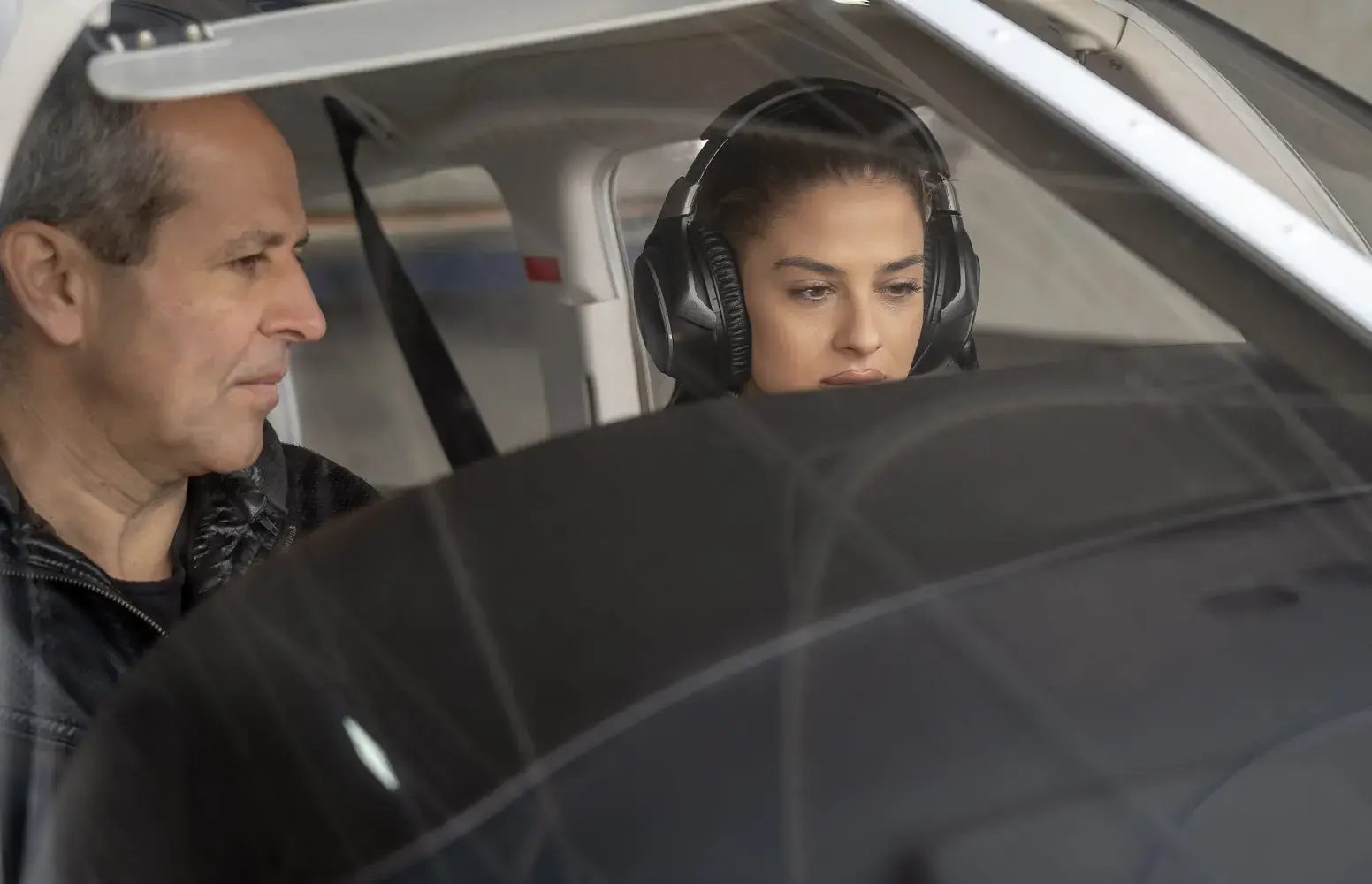
Becoming a certified flight instructor can be a rewarding career for many. Not only do you get to fly, but you also get the opportunity to mentor other aspiring pilots. As a steady, local worker, a career as a flight instructor fosters both personal and professional growth. If the line of work excites you, it is important to study the most commonly asked flight instructor interview questions to make a good first impression.
Here are 8 commonly asked flight instructor interview questions, along with what recruiters are trying to assess and how you should approach answering each.
1. Why do you want to become a flight instructor?
This is generally among the many flight instructor interview questions and answers that a recruiter asks a candidate. It helps them evaluate what motivates you and whether you genuinely want to teach and not just build flight hours.
How to answer:
You must avoid talking about accumulating hours. Rather, emphasize your passion for the aviation industry and mentorship. Talk about how teaching reinforces your knowledge and how you can help make the skies safer. You can also mention moments when you helped peers understand difficult concepts or when you felt satisfaction in seeing others succeed.
Flight instructor interview questions such as this require an answer that blends passion with professional purpose. For instance, explain how a career as a flight instructor will help you get back to the aviation community while also sharpening your skills as a pilot. If you aspire to airline or corporate flying later, framing instruction as a meaningful step, not just a requirement.
2. How do you handle a student who is struggling to grasp a concept?
Among the various flight instructor interview questions that a potential employer can ask, this one is directed at assessing your teaching adaptability and problem-solving skills.
How to answer:
While you prepare for flight instructor interview questions and answers, it is important to showcase your teaching style while avoiding blaming the student. Every learner is different and has their own learning pace. Explain how you will make use of different approaches, such as visual, verbal, or hands-on, to break complex topics into smaller, manageable steps.
Supplement your answer with either a real or a hypothetical example. Explain how you diagnosed the issue, tailored your explanation, and used demonstrations to help students understand the concept. It is also important that you emphasize that instructors have to remain non-judgmental during these interactions. If you, as a teacher, put pressure on students, chances are that they will perform poorly.
Ultimately, recruiters want to see that you don’t give up easily when the going gets tough. They want to see that you measure your success through your students’ success. This is why you should also highlight your ability to remain calm and encouraging, even when progress is slow.


Posted 2 days ago
Posted 2 days ago

Posted 2 days ago
Posted 2 days ago

Posted 6 days ago
Posted 6 days ago
3. How do you ensure safety during training flights?
Flight instructor interview questions such as this help recruiters know if safety is your top priority and if you follow a structured procedure.
How to answer:
Highlight how safety underpins every decision you make. You can also talk about how you carry out pre-flight planning, including weather checks, aircraft inspections, and risk assessments. You can also talk about how you maintain situational awareness while flying and are ready to take control if things go out of hand. This way, you can highlight that you are equipped to anticipate student errors before they become dangerous.
It is also important to talk about briefing and debriefing. While a pre-flight briefing helps students understand objectives and risks, a post-flight discussion reinforces learning and safety focus. In flying, safety is paramount. You must highlight that safety is not just an item on a checklist, but rather a mindset that you want your students to imbibe. Recruiters value candidates who respect rules and maintain discipline.
4. Describe a time you had to manage a difficult student.
Through flight instructor interview questions like this one, aviation recruiters want to know more about your interpersonal skills, conflict resolution, and professionalism.
How to answer:
Flight instructor interview questions and answers, at times, require using the STAR method. STAR stands for Situation, Task, Action, and Result. So how should you proceed? Begin by first describing the situation where a student was uncooperative, anxious, or overconfident. Then, focus on your handling of the situation.
Highlight how you adjusted your communication style and addressed the underlying issue, such as fear or frustration. It is important to emphasize your listening skills, which help you understand the student’s perspective. Mention how you maintained respect while still enforcing standards and safety. The outcome of this endeavour is to show if the student was able to improve or regain confidence, or complete training successfully. If even you are not able to answer this, you can talk about what you learnt from the experience.
5. How do you stay current with aviation knowledge and regulations?
Flight instructor interview questions also help recruiters know your commitment towards continuous learning and regulatory compliance.
How to answer:
When answering this question, it is important to mention how you regularly study flight manuals, safety bulletins, and advisory circulars. Also, highlight simulators or additional training courses. Learning need not be an individual activity. You can also highlight peer discussions and learning from other instructors.
Your answer should emphasize how you stay current with the evolving aviation landscape and its direct impact on your training quality. Show that you take initiative rather than relying only on mandatory requirements. Recruiters want to see if you are a proactive learner and curious about the discipline.
6. What would you do if a student made a dangerous mistake during a flight?
When asking flight instructor interview questions, recruiters often want to know how quickly you react to tricky situations while maintaining control and prioritizing safety.
How to answer:
When preparing for flight instructor interview questions and answers, it is important to remember that your answers should reflect situational awareness. When asked such a question, clearly state how you would immediately take control of the aircraft if you see that safety is compromised. Your answer should reflect your consistent maintenance of vigilance to detect potential errors.
Once you have stabilized the situation, tell the recruiters how you calmly explained the mistake to the student, straying away from criticism and making it an experience of learning and development. As a flight instructor, you require authority, which is what the recruiter is trying to ascertain through this question. Your answer should reflect both strong airmanship and effective instructional ability.
7. How do you structure a typical training session?
Some flight instructor interview questions will also evaluate your organizational skills and teaching methodology. This is one such question.
How to answer:
It is important to show that each of your classes follows a clear structure. For instance, you can talk about pre-flight briefing, flight execution, and post-flight debrief. Explain what each stage involves. The pre-flight briefing part includes a discussion on objectives, procedures, and safety considerations. Flight execution entails focus on demonstration, practice, and feedback. Likewise, the post-flight briefing includes a review of performance and identification of areas for improvement.
While structure is important, do not forget to adjust based on student progress and conditions. Your answer should also highlight goal-setting and progress tracking, helping each student know where they stand and what to work towards. Recruiters want to see that you are intentional in your teaching. Providing an answer that reflects structure and efficiency will help you gain a competitive advantage and quote a higher salary. If you want to know more about the earning potential of this line, head over to our blog on flight instructor salaries.
8. Where do you see your aviation career in the next 5 years?
Among the many flight instructor interview questions and answers you will prepare, it is important to be equipped with an answer that helps recruiters understand your ambition and whether you are likely to stay committed to the role.
How to answer:
While it is fine to mention that your long-term goal includes airline flying, what matters is to highlight that you don’t intend to leave immediately. Frame your answer to show how flight instructing is a valuable phase of your career, enabling you to gain experience, refine skills, and contribute meaningfully. You can also mention additional ratings or qualifications you plan to pursue. When deciding candidates for flight instructor jobs, recruiters like candidates who have a clear direction and are also committed to the role. By showing that you value the instructing experience, and not just the end goal, you demonstrate maturity and professionalism.
Enjoying the article?
Follow us and never miss an update on the aviation industry.
Conclusion
One of the many advantages of becoming a flight instructor is the fantastic views that never get boring. This line of work also offers a great work-life balance. You can either work full-time or combine it with your airline job (or any other job) or studies. And if you have your eyes set on becoming an airline pilot, you can earn Pilot In Command (PIC) hours. If you want to learn more about what the job entails, head over to our blog on the flight instructor job description.