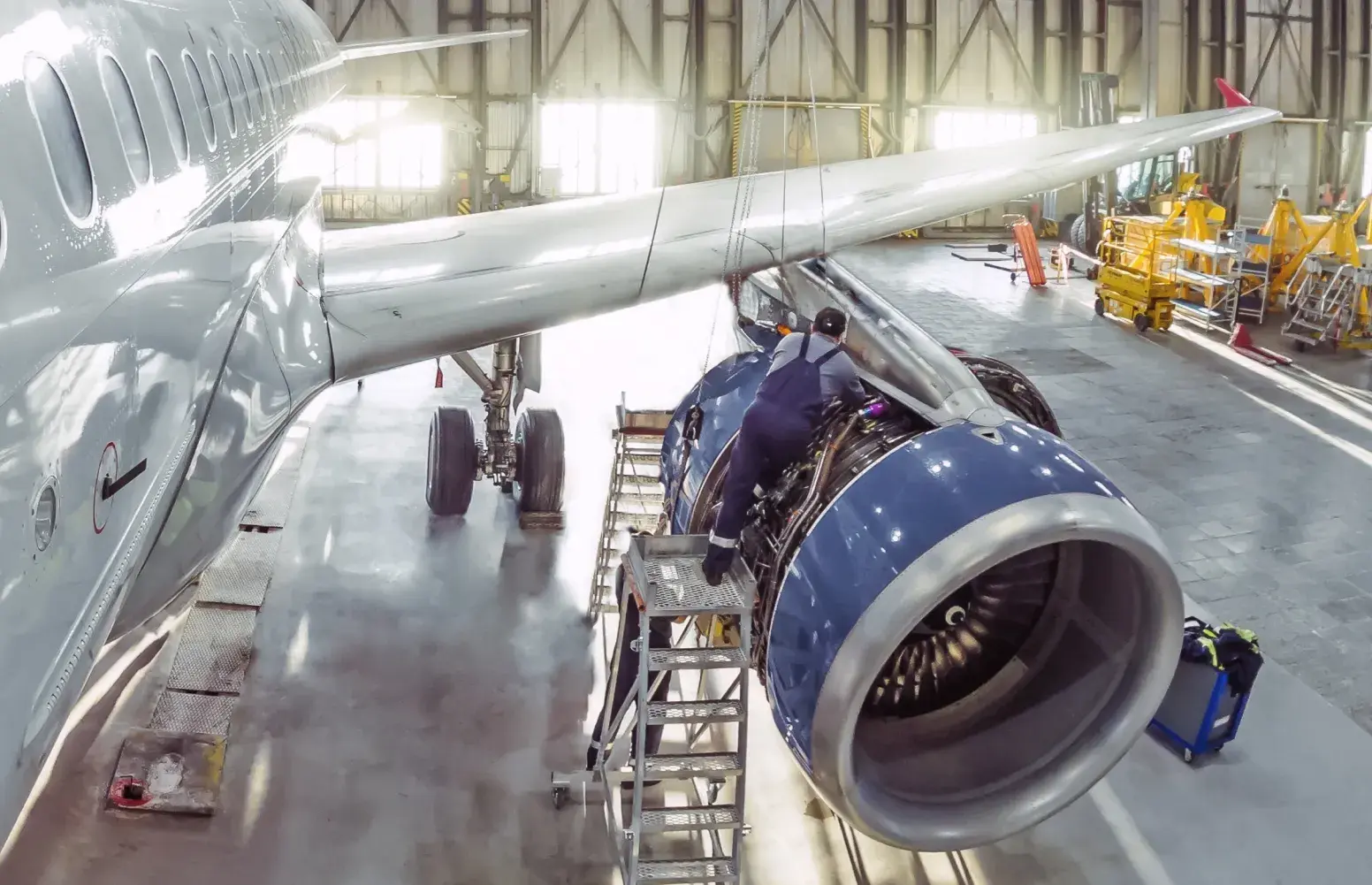
Engineering serves as the backbone of aviation. Among the many departments in engineering, one such is propulsion engineering. This type of engineering isn’t just about liking engines. Rather, propulsion engineering is about committing to one of the most technically demanding and high-impact areas of aerospace. Considering that propulsion sits at the heart of the aircraft, cracking the job that gets you this role can be tough. It is important to prepare for the right propulsion engineer interview questions. In this blog, we will deep dive into this topic.
1. Tell me about yourself and your journey into propulsion engineering.
This will be the very first among the many propulsion engineer interview questions that you will be asked, and it sets the tone for the interview. While it might sound quite simple, this query helps recruiters evaluate some key skills like communication, clarity of thought, and how well your background aligns with the reality of propulsion engineering.
What should you answer:
Your answer should be structured, concise, and relevant to the role. You should start by summarizing your educational background while highlighting the key areas you were taught, such as thermodynamics, fluid mechanics, or aerospace systems. Then, move to internships, projects, apprenticeships, or any other work experience you have related to aircraft engines or propulsion systems. As you do so, highlight the specific achievements during these stints to show how you resolved a design problem or improved efficiency. You also mention your motivation behind joining propulsion engineering. Additionally, avoid personal life details unless relevant.

Posted 3 days ago

Posted 3 days ago


Posted 19 days ago


Posted 19 days ago

Posted 19 days ago

2. Describe a time you worked in a team to solve a complex engineering problem.
Propulsion engineer interview questions, like this one, are aimed at understanding your collaborative skills in aviation projects. Recruiters want to assess if you work well in a team set-up and if you are good at solving conflicts.
What should you answer:
A good way to show impact in your answer is to use the STAR method (Situation, Task, Action, Result). First, explain the problem, your team’s objective, and your role. Next, mention how you kept communication consistent with your teammates and handled disagreements. And adapted to various points of view. You can also highlight any collaboration tools that came in handy. After this, you must demonstrate measurable success, such as improved design performance or meeting deadlines. Your answer must reflect how you treat the case as a learning experience.
3. How do you handle tight deadlines and high-pressure situations?
The aviation industry operates under strict timelines, no matter how dynamic and unexpected some situations might be. Propulsion engineer interview questions, like this one, are aimed at assessing your stress management and prioritization skills.
What should you answer:
Your answer should explain your approach towards prioritizing tasks, planning, and time management. You can also talk about tools that help you break your tasks into smaller steps. You must also provide examples where you successfully met deadlines in an emergency without compromising on quality or safety. A strong answer shows clear communication with stakeholders, as well as a balance between efficiency and responsibility.
4. What factors affect thrust generation in an aircraft engine?
Certain propulsion engineer interview questions will be asked to test your core skills in propulsion engineering. A question like this one helps recruiters understand if you know what performance parameters and real-world operating conditions are.
What should you answer:
Your answer should mention key variables like mass flow rate, exhaust velocity, air density, and engine pressure ratio. You must also include environmental factors, such as altitude, temperature, and humidity, explaining how they impact air density and engine efficiency. While you explain thrust generation, don’t forget to explain how velocity difference improves thrust. You can also touch on related core topics like material constraints and thermal stresses. A winning answer that gets you the job connects theory with practical implications, showing how engineers optimize engines for varying flight regimes while maintaining safety and efficiency.
5. How do you improve fuel efficiency in aircraft propulsion systems?
Certain propulsion engineer interview questions will be asked to test your technical competency. For instance, this particular question can be asked by recruiters to assess your knowledge about fuel efficiency and its critical role in aviation economics and sustainability. This, in turn, helps them judge your problem-solving and innovation thinking capabilities.
What should you answer:
Your answer should explain key strategies, including increasing bypass ratio, improving component efficiencies (compressor, turbine), and reducing drag. You must explain how advanced materials, such as composites, enable higher temperatures and improved performance. A strong answer will also touch upon key approaches, such as optimal flight paths and engine maintenance. Considering how important sustainability has become, don’t forget to talk about reducing emissions and improving specific fuel consumption, and add value. Ultimately, your answer should demonstrate both technical expertise and an awareness of the evolving trends in propulsion technology.
6. Explain the role of FADEC in modern aircraft engines.
Full Authority Digital Engine Control, or FADEC, helps propulsion engineers process sensor data in real-time and helps in eliminating manual overrides while optimizing fuel flow. Recruiters may ask this question to judge your knowledge of modern engine control systems and automation.
What should you answer:
You must describe FADEC as an electronic system that manages engine performance. You must also mention how the system optimizes fuel flow, thrust, and efficiency by preventing the engine from operating outside safe limits. You can also highlight benefits such as improved fuel efficiency, reduced pilot workload, and enhanced safety. In essence, a strong answer will cover FADEC and its integration with other aircraft systems. This will help you demonstrate your understanding of both the hardware and software sides of an aircraft.
7. How do you ensure clear communication when working with cross-functional teams?
Propulsion engineer interview questions like this one are asked by interviewers to evaluate if you are collaborative with other units, such as design, manufacturing, and testing teams. They want to assess how clearly you can communicate, a trait that is essential for propulsion engineers to avoid costly errors.
What should you answer:
A winning answer will include strategies such as simplifying technical concepts, active listening, and confirming understanding. You can also mention tools for collaboration, like reports, visual aids, or simulations. To show actual impact, quote an example from a previous stint where effective communication helped prevent a misunderstanding or improved project outcomes. Your answer should present the adaptable mindset that helps you adjust your communication style for different audiences. A strong answer shows awareness that miscommunication can impact safety and performance.
8. How do you stay updated with advancements in propulsion technology?
The aviation industry is an evolving landscape with new technologies changing how operations are undertaken. Against this background, it becomes critical for those working in the industry to stay up to date with the latest trends. Propulsion engineer interview questions, like this one, help recruiters understand how proactive you are about learning and growth.
What should you answer:
Start your answer by mentioning credible sources, such as research papers, industry journals, webinars, or professional networks that you are part of. Undertaking programs and certifications is another way to show recruiters that you are serious about staying relevant in the industry. You can also provide an example of how new knowledge influenced your work or thinking. It is important to avoid vague and generic statements that do not pinpoint anything. Ultimately, your answer should demonstrate consistent learning habits signals long-term potential and adaptability.
Enjoying the article?
Follow us and never miss an update on the aviation industry.
Conclusion
The path of propulsion engineering is not for everyone. If you are technically inclined and like the fast-paced environment of aviation and aerospace, then this line of work will provide you with a rewarding experience. However, if you are expecting something easy or routine, then this field will end up disappointing you.
Propulsion covers everything from fuel efficiency to range and safety, making this one of the most sought-after engineering fields in aviation. This is one of the reasons propulsion engineers command high salaries. If you’d like to learn more, explore our blog on propulsion engineer salaries.
Once you ace the learning curve, you will not only reshape the future of flight but also help redefine it. This is where preparing for the right set of propulsion engineer interview questions is so important to get the many propulsion engineer jobs that are currently available.
Three core skills can help you gain a competitive edge during interviews. A strong grasp of thermodynamics and fluid mechanics, good analytical and problem-solving skills, and robust communication and collaboration skills. If you are building these skills along with the right interview questions, you have already paved the way for getting your dream job. Happy applying!