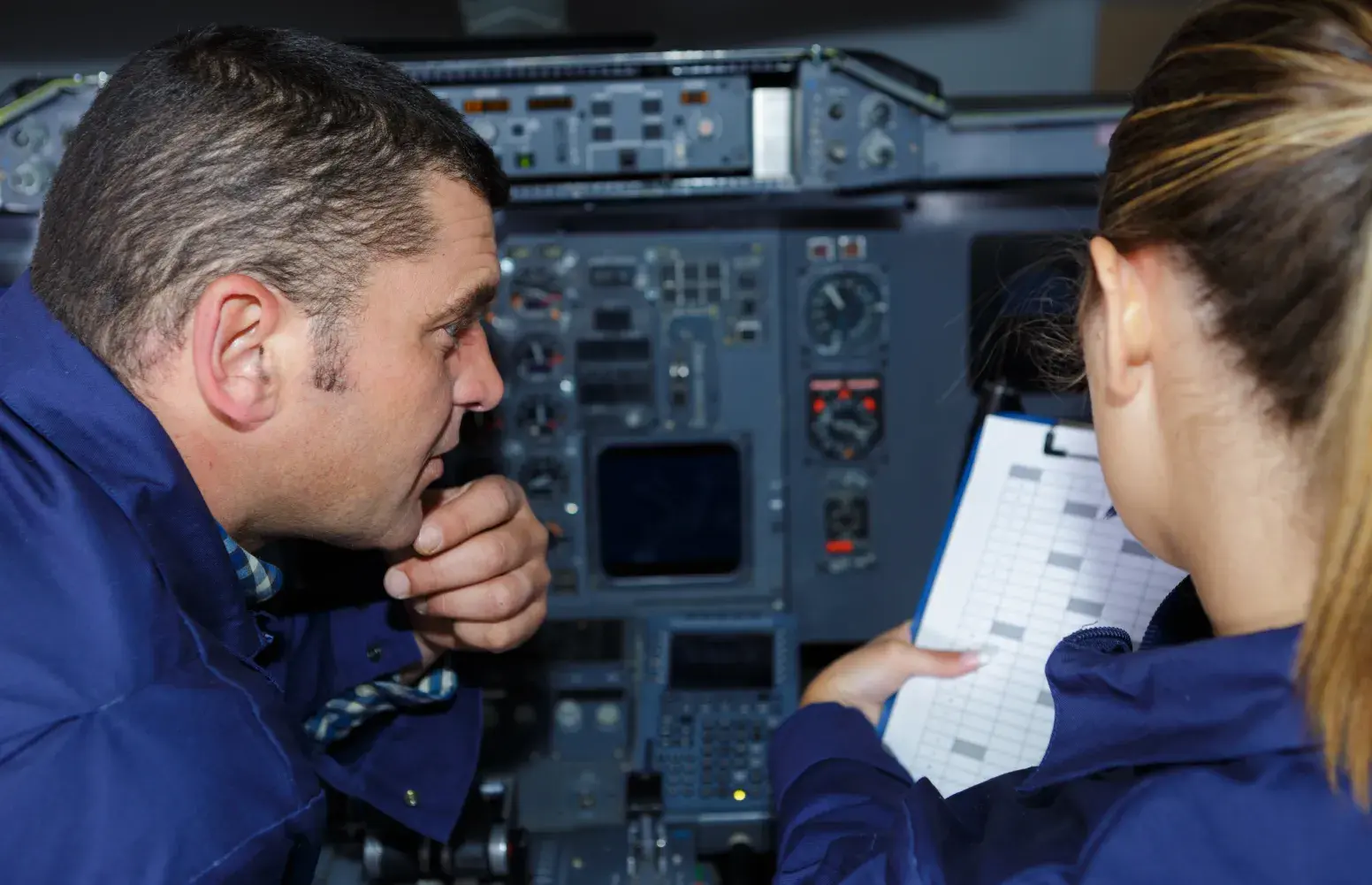
Did you know that the global avionics market is on its path to becoming massive and is projected to exceed USD 200 billion by 2034? The field of avionics is integral to the success of aviation as an industry, as it represents a significant portion of aircraft cost, driven by advancements in navigation, connectivity, and safety systems. The field covers a wide range of designations such as engineering design, maintenance or technician roles, and specialized software development roles. Irrespective of what you choose, it is important to go prepared for your interview with the right avionics interview questions. In the blog, we will explore the most common avionics questions that are generally asked in an interview.
1. Tell Us About Yourself and Your Experience in Avionics.
Why Recruiters Ask This
Among the many avionics interview questions asked by recruiters, this one is the most common and for the right reasons. Recruiters use this type of introductory question to assess your communication capabilities, technical background, confidence level, and career direction. Such a question helps interviewers to check if your skills align with the company’s operational requirements.
How to Answer
Your answer should start with a clear summary of your educational background, certifications, and years of experience in aviation or electronics. It is also important to highlight your expertise in areas such as navigation systems, communication systems, radar, wiring, diagnostics, or embedded avionics software. You can also mention the types of aircraft systems and tools you have worked with. It is important to note that your answer should be structured and connect your experience to the job you have applied for.

Posted 8 days ago

 Verified

Posted 12 days ago
Verified

Posted 12 days ago
Verified


Posted 19 days ago
Verified

Posted 28 days ago
Verified
Posted 28 days ago
Verified


Posted 3 days ago
2. How Do You Troubleshoot an Avionics System Failure?
Why Recruiters Ask This
Avionics interview questions, such as this one, are quite common as it helps recruiters understand how competent you are as an avionic technician, maintenance engineer, or support engineer. Such a question helps assess your diagnostic skills, approach to safety, and practical understanding of aircraft avionics. Companies look for candidates who can effectively identify faults systematically without compromising compliance and safety.
How to Answer
Begin by explaining what your troubleshooting process looks like. For instance, it can start with a review of pilot reports, maintenance logs, and fault codes. You can also mention how you first isolated the issue by wiring diagrams, test equipment, built-in test equipment (BITE), or multimeters. Move on to the next step, which is checking power supply, signal continuity, connectors, software errors, and subsystem integration. Here, it is important to mention your strict adherence to following the manufacturer's maintenance manuals and aviation safety regulations. Your answer should combine technical expertise with a safety-first focus. Including an example from a past stint that showcases this process can help make your answer impressive.
3. What Experience Do You Have with Avionics Software or Embedded Systems?
Why Recruiters Ask This
Avionics interview questions like this one help interviewers evaluate your programming skills, understanding of real-time systems, and familiarity with aerospace development standards. This part is important as most modern aircraft rely on embedded software for various functions, including navigation, autopilot, communication, and flight management systems.
How to Answer
You can mention the programming languages, operating systems, and development environments that you have worked on before. For instance, it is important to mention C, C++, Python, VxWorks, or MATLAB/Simulink. It is also important to enumerate your skills with embedded controllers, RTOS environments, hardware-software integration, testing, debugging, and simulation tools. Recruiters look for candidates who can demonstrate their knowledge of both software functionality and aviation safety.
4. How Do You Ensure Compliance with Aviation Safety Standards?
Why Recruiters Ask This
Considering the central role of safety and regulatory compliance in avionics roles, these types of avionics interview questions attempt to assess your understanding of aviation regulations, documentation standards, and quality assurance procedures. Employers want skilled avionics professionals who can work within strict industry guidelines while maintaining operational accuracy and reliability.
How to Answer
Start your answer with a clear explanation of your familiarity with aviation authorities and the standards set by them. Depending on the role, mention FAA, EASA, DGCA, DO-160, or DO-178C. You can also describe how you follow all the mandatory manuals, engineering procedures, inspection checklists, and testing protocols during repair, maintenance, or software updates. You can also mention your participation in audits, certification projects, and quality reviews, if applicable. Your answer should reflect that compliance is not just paperwork but rather an essential part of aircraft safety.
5. Explain a Challenging Avionics Project You Worked On.
Why Recruiters Ask This
Avionics interview questions like this one help recruiters assess a candidate’s technical capabilities, teamwork and leadership skills, as well as problem-solving capabilities. This question is most often asked in interviews for roles in avionics engineering, systems integration, design, testing, and maintenance
How to Answer
Use the STAR method (Situation, Task, Action, and Result) to answer the question effectively. Start by explaining the project background and the technical challenges faced by the team. Follow this with a description of your role and the steps you took for speedy resolution. You can mention tools, testing processes, or collaboration with other units. End your answer by showcasing quantifiable results. Your answer must highlight your calm composure in the face of unexpected challenges. Focus on your decision-making process and technical reasoning instead of only describing the outcome.
6. What Is Your Experience with Aircraft Communication and Navigation Systems?
Why Recruiter Ask this
These types of avionics interview questions help recruiters evaluate a candidate’s technical expertise in avionics engineering and field service. A good answer will highlight situational awareness and operational efficiency while also helping recruiters assess if you understand system functionality, troubleshooting, integration, and maintenance procedures.
How to Answer
Your answer should include the systems you have worked with, such as VHF/UHF communication systems, GPS, INS, TCAS, ADS-B, weather radar, or flight management systems. You can also explain your specific responsibilities in installation, calibration, testing, diagnostics, or software updates. An exposure to technical manuals and using avionics testing equipment is always valued by recruiters. Ultimately, your answer should demonstrate your knowledge of various areas like signal flow, antenna systems, and aircraft network communication.
7. How Do You Handle High-Pressure Situations During Aircraft Maintenance or Testing?
Why Recruiters Ask This
Avionics interview questions, like this one, help recruiters understand how well you can withstand work pressure. Like its larger aviation ecosystem, avionics is a dynamic field where one often works under tight deadlines, especially during aircraft turnaround, testing schedules, or fault rectification. Recruiters ask this question to evaluate your ability to stay calm, prioritize tasks, and maintain accuracy under pressure.
How to Answer
What does a winning answer look like? Begin by explaining the importance of safety and procedure compliance, even in time-sensitive situations. You can now move to describing your task organization process, which should include communication with team members and a careful verification of maintenance steps before aircraft release. You can provide examples from your past work experience to illustrate credibility. Interviewers require candidates who can blend speed with precision while remaining focused and composed. Ultimately, a winning answer highlights a solution-oriented mindset during operational challenges in avionics maintenance and engineering environments.
8. Why Should We Hire You for This Avionics Role?
Why Recruiters Ask This
The list of the most common avionics interview questions will also include a concluding one, which often helps recruiters understand your confidence, motivation, and understanding of the role. It helps employers assess your technical skills, work ethic, and career goals, and the alignment of all of these with the company’s aviation operations and long-term needs.
How to Answer
Your answer should summarize your most relevant skills, certifications, and avionics experience. Proceed to highlighting your expertise in core avionics areas like troubleshooting, systems integration, maintenance, software development, testing, or compliance. You must highlight an enthusiasm for continuous improvement and adaptability that helps you stay updated with the latest aviation technologies. End your answer by expressing genuine interest in the company and the opportunity to contribute to its projects and safety standards.
Enjoying the article?
Follow us and never miss an update on the aviation industry.
Conclusion
Avionics is considered the backbone of modern aerospace, covering both aircraft and spacecraft technology. In the next decade, the field is set to see a massive transformation. Technological advancements in the field of AI, autonomous flight, and simplified vehicle operations will change the KPIs for the various professionals who will make up its workforce. What will remain constant is the need for skilled individuals who can take up the various avionics technician jobs and avionics engineer jobs on offer.
The right set of avionics interview questions can help you ace the interview and secure the job. If you want to pursue a career as an avionics technician, this resource provides a clear overview of the job role and responsibilities of an avionics technician.