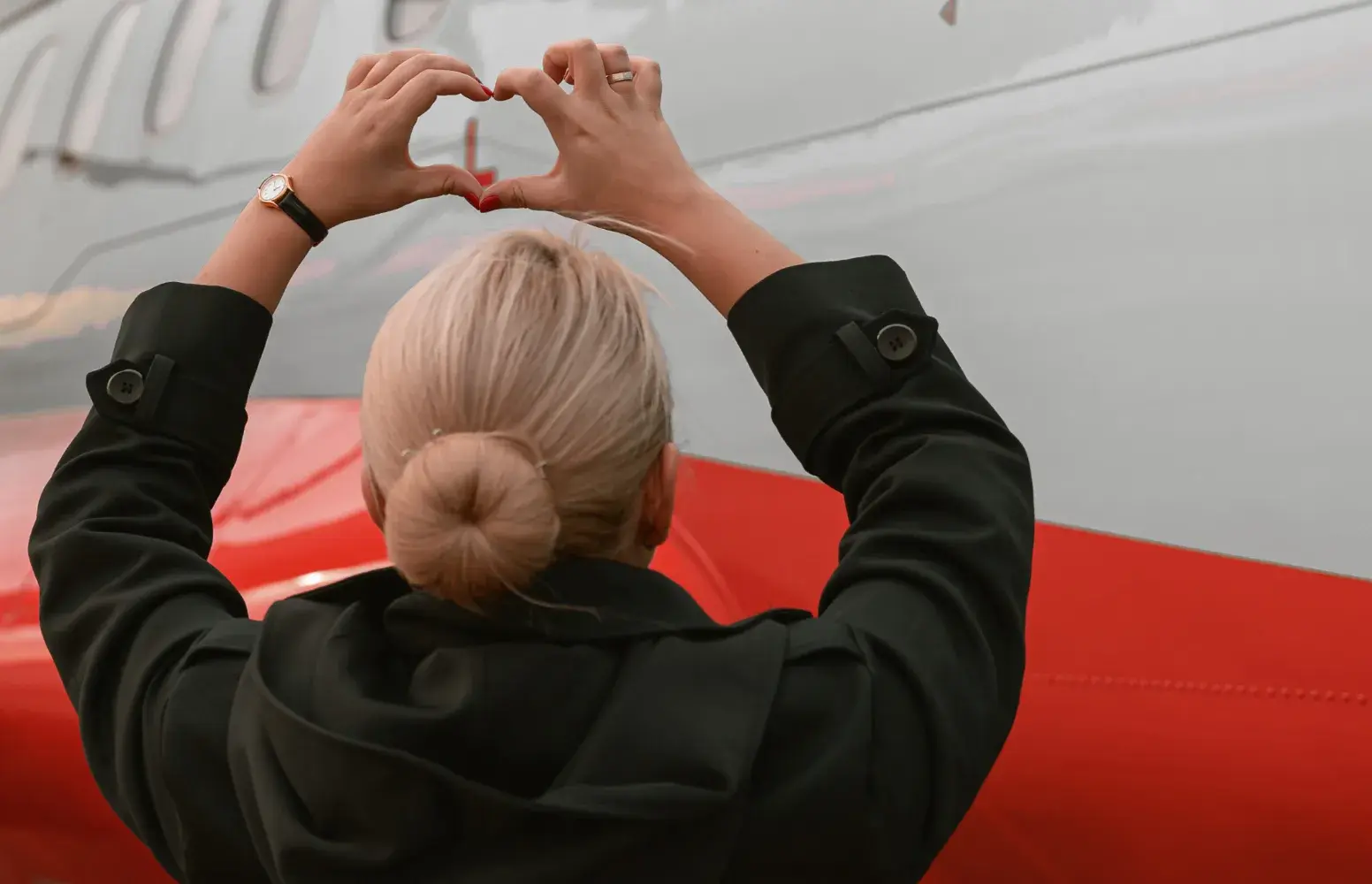
International Mental Health Day is a global initiative designated to raise awareness, reduce stigma and encourage open conversations around mental health and wellbeing. According to the mental health charity Mind, 1 in 4 adults globally will experience at least one mental health condition in any one year. With 1 in 6 adults experiencing a mental health condition at any particular time. This is around 450 million people globally.
As part of this campaign we have spoken to aviation professionals who are also mental health and wellbeing advocates to hear their thoughts on the topic. We also gathered opinions from thousands of aviation professionals regarding the challenges they face, their key stressors and how they deal with their issues. As well as grouping together different coping strategies and resources such as private mental health specialists, organisations and charities.
In the aviation industry, mental health is often overlooked or neglected, with stigma and fear acting as major barriers to seeking support. For pilots, this can mean worrying about losing their licence while for others it can be the fear of being seen as ‘weak’, ‘unfit’ or ‘not good enough’. As a result, many suffer in silence until their problems escalate into more serious mental health issues.
Aviation professionals often face unique mental health challenges due to the nature of their roles and the demands of the industry. While stressors can vary from role to role, there are common issues that most professionals share, such as: irregular sleep schedules, unpredictable rosters and isolation or time away from loved ones. Others can be more specific for pilots such as the intense concentration demands and responsibility for passenger safety. Over time, these stressors can take a significant negative toll on an individual's mental wellbeing.
Q1. What are the main signs of burnout?
Burnout can manifest in many different ways, but there are some key signs or ‘red flags’ to look out for. If recognised in time, burnout can often be prevented before it escalates into something more serious.
Loss of motivation, irritability, trouble concentrating, feeling detached, and emotional exhaustion are all common emotional signs of burnout. For cabin crew in particular, Corporate Flight Attendant Mayra Leal explains,“There’s the emotional side of the job, every flight requires us to show up with patience, calm, and a smile. That kind of emotional labor is invisible to most people, but it can be incredibly draining when layered on top of fatigue”.
When it comes to physical signs, these can appear as ongoing fatigue, difficulty sleeping, headaches, muscle tension, or changes in appetite and energy levels. Behavioural signs might include withdrawing from colleagues, making poor decisions and mistakes, neglecting self-care, or relying on caffeine or alcohol to get through the day. Recovery Coach Cassie Kane notes,“Without healthy outlets, some people turn to alcohol to unwind after duty or rely on sleeping tablets to get rest during irregular hours. At first it feels like a solution, but over time it can lead to dependency.”
Cassie also mentions “Burnout in aviation is rarely caused by a single issue, it’s usually a combination of pressures. These include fatigue and sleep disruption, isolation and culture of silence.” Fatigue is usually one of the principal contributors to burnout. Airline Captain Zoe Cameron-Casey adds, “One of the biggest contributors to burnout in aviation is fatigue. Airline rosters, shift work, time zone changes and disrupted sleep cycles are naturally part of the job. However over time they do take a real toll.”
Finally, Mayra, reinforces the idea that burnout often results from various contributing factors: “One of the biggest contributors to burnout is the pressure to take on too much. I feel many of us are natural high-achievers, we want to be seen as capable and dependable. Pair that with irregular schedules, poor sleep, and the constant stimulation of the job, and it’s a recipe for burnout”.
Q2. How can we prevent it?
By placing work-life balance at the core, we can set healthy boundaries, such as taking a break or time off when necessary. Prioritising rest can be challenging with limited control over rosters, irregular hours, and multiple time zones. However, making time for quality sleep and to reset is essential as this helps your body and mind stay in good condition and increases concentration levels and overall performance.
At an organisational level, promoting a culture where rest and work-life balance are respected and prioritised is crucial. Zoe suggests,“Smarter rostering systems that allow pilots to flag key personal dates, or even occasional well-being days, would go a long way.” Mayra Leal adds, “When employers treat wellness as essential, they don’t just reduce burnout. They strengthen loyalty, keep people in the industry longer, and create safer operations overall”. Apart from preventing burnout these things can help with retention rates as professionals are more likely to feel satisfied and supported in their roles.
Providing confidential mental health support is also vital, as it encourages those who are struggling to speak up or seek professional help before issues escalate. This can be done in different ways such as through one to one coaching or therapy sessions or even through peer support programmes.
Q3. Stigma and barriers to asking for help
When it comes to seeking help or speaking up, many stigmas and barriers can prevent aviation professionals from doing so. These can range from fear of judgement or feeling “not good enough” to concerns about confidentiality, career progression, or even a workplace culture that encourages coping in silence.
Zoe emphasises “In my research I have found that we see significantly higher rates of depression when anonymous screening tools are used, which suggests people don’t feel safe being open. Until the system offers genuine psychological safety and practical support the stigma will persist”. Confirming that stigma around asking for help acts like one of the most significant barriers.
For pilots specifically, the fear of losing their licence and ultimately their job acts as a major barrier. This is because aviation authorities require medical certification to ensure a pilot is fit to fly. Raising mental health struggles can trigger medical reviews, grounding or lengthy assessments which can all hold back or prevent pilots from completing their duties.
As a result, some pilots may choose to remain silent until these challenges become unmanageable. Zoe also adds “There’s a very real worry that disclosing a mental health issue could result in losing their medical certificate and with it, their ability to work”. Recovery Coach, Cassie Kane also agrees saying “For example, a first officer worried about alcohol use may avoid seeking help because they fear being grounded, even temporarily. The longer they delay, the greater the risk to their wellbeing, family, and career.”
Q4. Aviation Mental Health in numbers
As part of our campaign we asked thousands of aviation professionals how often they feel mentally exhausted, what their biggest source of stress at work is, if they think mental health is taken seriously in the industry and what helps them manage their mental health and stress levels the most.
Feeling mentally exhausted after work is very common in the aviation industry. With around three quarters (69%) of professionals saying they feel mentally exhausted everyday or a few times a week. The stigmas in place mean that unsurprisingly only 6% of respondents say they never feel exhausted after work.
When it comes to the biggest sources of stress at work almost half of respondents (38%) attribute lack of support as the biggest contributing factor, followed by long irregular working hours (27%). With high responsibility and pressure as the least significant source of stress (21%).
Unsurprisingly 29% of professionals believe mental health is not taken seriously however 28% of respondents say they do think it is. This highlights a clear divide in experiences and perceptions, suggesting that while progress is being made, many professionals still feel mental health concerns are not fully acknowledged.
Taking time off and resting is how most professionals cope when managing mental health and stress levels (58%) closely followed by exercise (29%). Surprisingly only 4% of individuals attribute speaking to a professional as a way of dealing with mental health issues and stress. This can be due to the fear of speaking up and stigma attached to seeking help as well as the fear of loss of licence. Or it could be that they believe that taking time off and exercising is sufficient enough.
Q5. Improving mental health practises in aviation
Just like in any other industry, there is still significant room for improvement when it comes to supporting mental health and wellbeing in aviation. We asked several aviation professionals and mental health advocates for their insights on what employers can do to create safer, more supportive workplaces. To ensure individuals feel valued, heard, and able to seek help without fear or stigma.
Zoe believes that it all comes down to leadership. “Confidential counselling and access to wellbeing tools are important, but what really makes a difference is the quality of leadership. When managers listen, show empathy and create space for honest conversations it helps shift the culture by ensuring each person feels respected as a human being and not just a number.” She also suggests that “Mental Health should be embedded into Human Factors training, not treated as a standalone module but woven into how we talk about safety and performance.”
Mayra emphasises the importance of rest and nutrition: “Beyond rest, employers can make a real difference by offering regular wellness programs, whether that’s virtual breathwork, meditation, or stress-regulation tools. Even simple education around nutrition and sleep, woven into ongoing training, could empower crew to care for themselves on the road.” Adding “When employers treat wellness as essential, they don’t just reduce burnout. They strengthen loyalty, keep people in the industry longer, and create safer operations overall.”
Cassie provides another perspective: “Mental health should be built into aviation training in the same way as safety and technical checks. For example through mandatory modules, psychological first aid and fatigue and recovery science”. She also adds “Aviation employers can make a real difference with a layered approach. For example through confidential counselling, peer support networks, resilience training, post-incident debriefs and rota design that prioritises rest”.
Collectively, these recommendations highlight and suggest that improving mental health in aviation isn’t about a single initiative, it's about building a culture that values wellbeing as much as safety and performance.
Q6. Where to get help - Mental Health Resources
If you are struggling or need someone to talk to, there are a variety of organisations and professionals you can reach out to. This includes charities and organisations dedicated to mental health and wellbeing in the aviation industry, as well as experts in the field such as recovery coaches or human factors instructors. From specialised courses to confidential peer support programmes, there is support available for everyone.
Experts in the Aviation industry:
1. Cassie Kane
Cassie Kane is a Recovery Coach specialising in supporting aviation professionals with alcohol and substance misuse, mental health and overall wellbeing. She provides discreet coaching, training and consultancy for both professionals and organisations within the aviation industry. Her core focus is on building resilience, preventing burnout and supporting recovery from stress and substance misuse.
For more information:
Visit Cassie Kane’s official website
Get in touch with Cassie Kane
2. Zoe Cameron-Casey
Zoe Cameron-Casey is an Airline Captain for a major UK airline and a Human Factors instructor. She is the founder and CEO of C² Human Factors, applying the principles of Human Factors science beyond aviation to help drivers, students and professionals think like a pilot: safer, calmer and more resilient.
For more information:
Visit Zoe Cameron-Casey’s official website
Get in touch with Zoe Cameron-Casey
3. Mayra Leal
Mayra Leal is a Corporate Flight Attendant and Certified Health Coach, through the Institute for Integrative Nutrition. She provides 1:1 coaching focused on wellbeing, helping aviation professionals reconnect with their biology by prioritising sleep, nutrition, nervous system regulation and recovery.
For more information:
Visit Mayra Leal’s official website
Get in touch with Mayra Leal
Enjoying the article?
Follow us and never miss an update on the aviation industry.
Charities and Organisations to look out for:
1. Aviation Action
Aviation Action is the UK’s only dedicated mental health and wellbeing charity for the aviation industry. It was founded in 2020 by aviation professionals for aviation professionals to support anyone in the industry with mental health issues. The charity aims to shine a vital spotlight on the mental health challenges that too often go unseen, unheard and unsupported.
For more information:
Learn more about Aviation Action
2. Centre for Aviation Psychology
The Centre for Aviation Psychology promotes psychological well-being through confidential access to specialist psychologists and resources. In the shape of confidential end-to-end support for Peer Support Programmes and consultancy and training.
For more information:
Learn more about Centre for Aviation Psychology
3. Core Aviation Psychology
Core Aviation Psychology specialises in providing psychological consulting services in the aerospace sector, in particular Aircrew Support & Wellbeing.
For more information:
Learn more about Core Aviation Psychology
What the Future Holds
Despite ongoing concerns about mental health and wellbeing within the aviation industry, there are positive signs for the future. A great example is the Mental Health in Aviation Act, which was recently passed unanimously by the FAA.This legislation effectively lifts the ban on pilots in the United States seeking support and therapy. Technology is also playing a growing role with companies such as SkyForce Talent Solutions offering apps to aviation contractors to help them better manage their mental health and wellbeing while spending extended periods away from home. Support is not limited to technology, there are also more companies, charities and organisations than ever dedicated to helping aviation professionals. Campaigns like ours also play a part by encouraging conversations around the topic, helping break stigmas and ultimately helping make meaningful changes.