For many people on a flight, aircraft turbulence can feel like a life-threatening situation. And their fears are not without reason. Turbulence will always feel extremely uncomfortable, but in most cases, it rarely transgresses into a dangerous circumstance.
Flight turbulence is one of the most commonly discussed and often misunderstood aspects of air travel. Whether you are an experienced traveler or taking your first flight, chances are that the minute you experience turbulence, a question will pop up in your head: Is the aircraft in trouble? Should I be worried? In reality, most aircraft turbulence cases are routine and manageable.
They also play a vital role in aviation safety, flight planning, and crew operations. Understanding turbulence isn’t just about easing passenger nerves — it’s also about appreciating the complex systems and skilled professionals working behind the scenes to keep every flight safe and comfortable.
What is Aircraft Turbulence and What Causes it?
Aircraft turbulence is the irregular and in some cases violent movement of air that causes an aircraft to shake, sway, or bump unexpectedly during a flight. While it does sound ominous, flight turbulence is quite common in aviation and rarely poses a serious threat. Various factors, such as changes in wind, weather systems, or differences in air temperature and pressure, can cause aircraft turbulence. In simpler terms, imagine your aircraft hitting a pothole or a patch of rough road while driving. While the vehicle will jolt, it is still under control.
To passengers, flight turbulence might feel like the plane is "dropping". But fret not, for commercial airliners are designed to handle these movements with ease. Modern aircraft designs allow for flexing and bending in turbulent conditions, which helps the aircraft to absorb impact without compromising safety. Turbulence varies in intensity, from light bumps you barely notice to stronger jolts that may require passengers and crew to stay seated.


Posted 24 hours ago

 Verified


So, what causes aircraft turbulence?
Turbulence is caused by the irregularities in how air flows in the atmosphere. It might feel sudden and chaotic for the passengers on board. Still, flight turbulence is very much the result of predictable physical forces — many of which pilots and meteorologists monitor closely.
Here's a detailed breakdown of possible causes:
- Wind shear: This occurs when there is a sudden change in the speed or direction of wind over a short distance. This phenomenon is common near mountains, in thunderstorms, or during takeoff and landings when the aircraft has to pass through layers of moving air.
- Jet stream: These are narrow bands of fast-moving air at high altitudes. When an aircraft flies through a jet stream, the variation in wind can create aircraft turbulence.
- Thunderstorms and convective activity: Storms produce major aircraft turbulence situations. Updrafts, downdrafts, and the rapidly shifting winds within the storm system can make flying quite bumpy for the pilots. To avoid getting stuck in one, pilots make use of weather radar and guidance from air traffic control.
- Mountain waves: When air flows over mountain ranges, it creates waves in the atmosphere. The phenomenon is quite similar to water flowing over rocks in a stream. These waves can lead to strong, localized flight turbulence even in clear skies.
Types of Turbulence
Aircraft turbulence is not a one-size-fits-all phenomenon. In fact, there are various types of turbulence, each with its distinct causes and characteristics. Understanding the different types of turbulence can help aviation professionals demystify the experience for passengers and give insight into how aviation professionals respond to various conditions.
1. Light, Moderate, Severe, and Extreme Turbulence
Among the types of turbulence, this one refers to the intensity of the flight turbulence, rather than the cause. Light aircraft turbulence is when the aircraft experiences slight, momentary bumps. Moderate flight turbulence refers to stronger movement, which may shift unsecured items inside the aircraft and make walking difficult. Severe turbulence is abrupt, forceful jolts where passengers can be thrown from seats if unbuckled. Extreme turbulence is very rare. Aircraft may be momentarily out of control, but they are built to withstand it.
2. Clean Air Turbulence
The next name in the types of turbulence list is clean air turbulence, or CAT. This generally occurs at high altitude, usually near jet streams, and comes with no visible warning signs like clouds. CAT can be challenging as it cannot be seen on radar and often occurs in otherwise smooth air.
3. Convective Turbulence
Convective Turbulence is generated by updrafts and downdrafts in storm systems. It is quite common near thunderstorms or cumulonimbus clouds.
4. Mechanical Turbulence
The second-to-last name in the types of turbulence list is mechanical turbulence. In this type of aircraft turbulence, the airflow is disrupted by obstacles on the ground. These can include mountains, buildings, or terrain. It’s more common during takeoff and landing phases.
5. Mountain Wave Turbulence
As winds pass over mountain ranges, they create atmospheric waves that extend far beyond the terrain. These can be strong and persistent, especially at higher altitudes.
How Pilots Handle Turbulence
When aircraft turbulence happens, passengers often feel like they are at the mercy of nature. What many don't realize is that the pilot is very much in control of managing it long before and during the flight. The development of modern aviation has ensured that the pilot has sufficient knowledge and resources to navigate through turbulence and ensure safety.
- Pre-flight planning: Before any flight, pilots receive weather briefings and comprehensive forecast reports. The pilot has to review the reports from other flights (PIREPs), satellite data, and turbulence charts. If areas of possible flight turbulence are identified, pilots often plan alternative routes or adjust flight levels to skip them entirely.
- Use of onboard weather radar: Weather radar during flight helps pilots detect storm activity and areas of convective turbulence. With the use of such radar, pilots have the time to change course slightly to avoid the worst of it.
- Altitude adjustment: It is not always possible to avoid flight turbulence, but pilots always try to reduce its impact. They might request air traffic control for a different altitude if smoother air is reported above or below their current flight level. This is a common tactic for dealing with clear air or jet stream turbulence.
- Coordination with ATC: Constant communication with the ATC helps pilots receive instances of any turbulence, as the ATC usually receives reports from other aircraft in the area. If a plane encounters flight turbulence, ATC officers will quickly warn other aircraft and suggest possible reroutes.
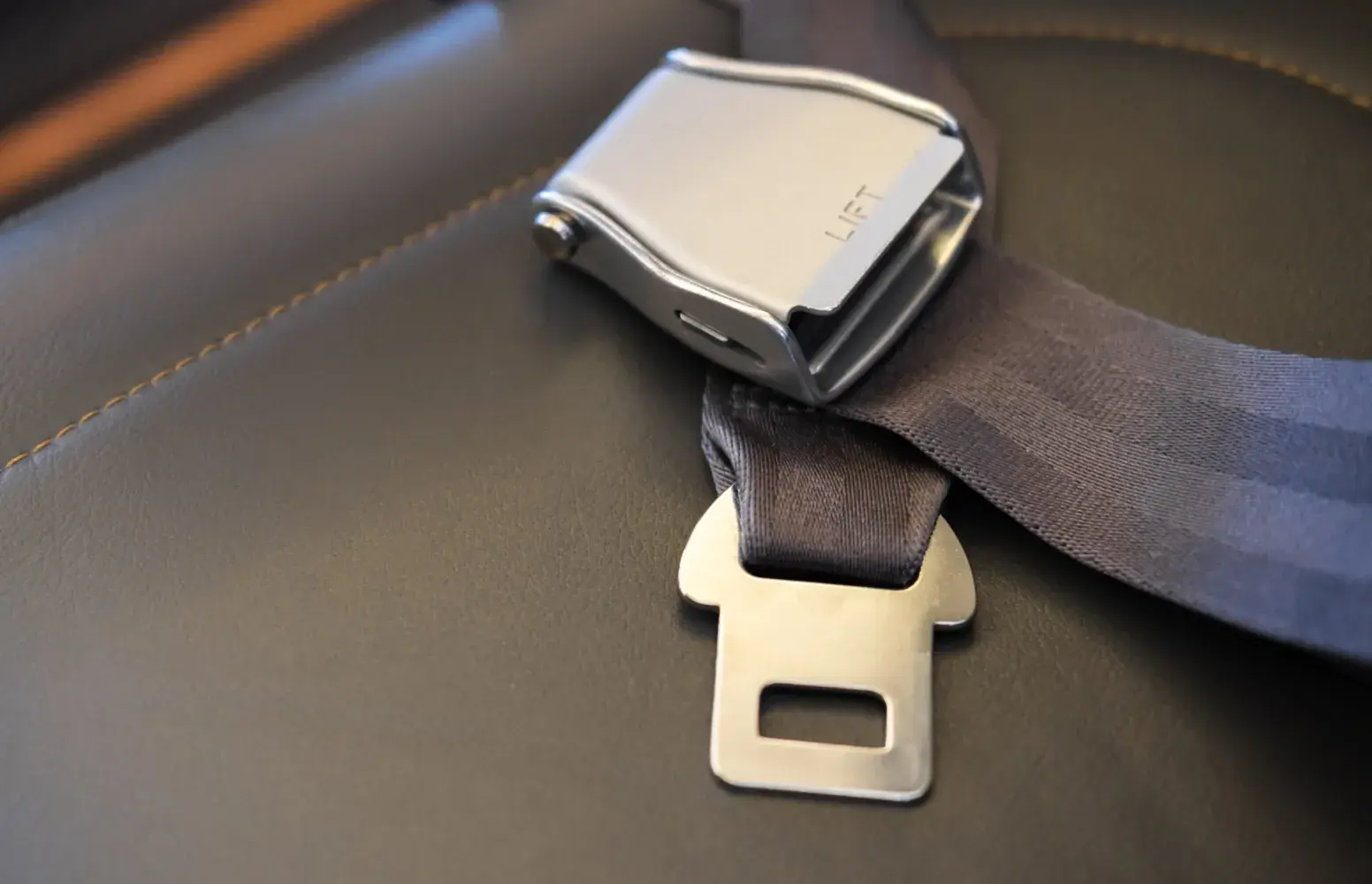
- Passenger and crew safety: As passengers, you might have seen how the seatbelt sign is switched on at the first sign of any aircraft turbulence. This is not just for passenger comfort but also to prevent injuries.
The Role of Cabin Crew during Turbulence
The role of pilots during any instance of aircraft turbulence is crucial. However, that doesn't negate the important role cabin crew play in the front line when it comes to managing their impact inside the aircraft cabin. They not only ensure safety but also help passengers stay calm and reassured.
- Preparing for turbulence: Cabin crew are kept informed of possible flight turbulence by the flight deck. Once notified, they begin securing the cabin by ensuring that the carts are stowed, hot beverages are not being served, and all loose items are put away.
- Instructing passengers: As flight turbulence picks up, the cabin crew advises passengers to put on their seatbelts, remain seated, and follow all safety instructions. Their calm and composed demeanour during these trying times helps reduce panic and sets the tone for passenger behavior.
- Ensuring cabin safety: Cabin crew have minutes to assess the condition of the cabin. They first have to ensure that everything is in order. If the turbulence intensifies, they may also sit down and buckle up—prioritizing their safety in line with protocol.
- Responding after turbulence: After aircraft turbulence subsides, cabin crew will check on the passengers, assist anyone anxious or injured, and resume service if conditions allow. They also report any incidents, such as spillage or injuries, to the flight deck and document them as well.
The Role of Aviation Professionals Beyond the Cockpit
We spoke about the role of pilots and cabin crew members during incidents of flight turbulence. However, several other aviation professionals also play a critical role in ensuring turbulence is anticipated, managed, and safely navigated.
1. Air Traffic Control
Air traffic control, or ATC, plays a vital role in helping aircraft avoid or manage flight turbulence. When pilots alert the ATC of a turbulence encounter, it helps them alert other aircraft. ATC also uses information provided by the pilot to help other aircraft plan safer, smoother routes.ATC also works closely with pilots to approve route changes, which becomes especially vital in busy airspace where safety and traffic flow are both paramount. In cases of severe weather systems, the ATC may reroute multiple aircraft together, which helps keep flights clear of hazardous conditions.
2. Aircraft Maintenance Engineers
While aircraft turbulence is rarely ever harmful to the structure of the aircraft, AMEs are still required to assess the airframe and other systems. After any flight that reports aircraft turbulence, AMEs perform post-flight inspections and check for structural stress around the wings, control surfaces, and landing gear assemblies. It is their responsibility to ensure that the aircraft continues to meet stringent safety and performance regulations. It can be an exciting career for aspiring aviationists who want to work at the convergence of aviation and engineering. The sector also looks promising, with an increasing number of aircraft maintenance engineer jobs to choose from.
3. Flight Dispatchers
Flight dispatchers work closely with other aviation professionals and pilots to plan the route, altitude, and fuel requirements, all while considering forecasted weather, including areas of potential aircraft turbulence. They make use of satellite imagery, turbulence models, and real-time aviation weather data to help pilots select the most fuel-efficient paths. It is also their responsibility to communicate updates about changing weather conditions and suggest alternative routes to avoid turbulence zones. The work life of a flight dispatcher is dynamic and equally rewarding. With more flight routes opening up, there is an exponential increase in flight dispatcher jobs. If you have what it takes, now is the time to start applying.
Enjoying the article?
Follow us and never miss an update on the aviation industry.
Conclusion
Aircraft turbulence is one of the most common aspects of flying, and also one that is repeatedly misunderstood. It might be an unsettling experience for passengers, but aviation professionals know that it is a normal part of aviation. It’s something that pilots, cabin crew, air traffic controllers, flight dispatchers, and engineers are trained to anticipate, manage, and respond.
While modern aircraft are designed and engineered to withstand the stresses of flight turbulence, it also helps when pilots, cabin crew, and other professionals are equipped with the right information to deal with such situations. If you are an aspiring aviation professional looking at pilot jobs or cabin crew jobs, knowing such a phenomenon will go a long way in helping your passengers have a smooth flight and utmost trust in your capabilities. If you found turbulence fascinating, you might also be curious about where aviation is headed next. VTOL aircraft are set to transform the skies and open up exciting new career paths in aviation.