Airports play a crucial role in global connectivity, serving as gateways for millions of travelers each year. As air travel continues to grow, so does the need for larger, more efficient airports. Some of the largest airports in the world have become major aviation hubs, employing hundreds of people while ensuring a smooth travel experience for countless passengers.
The largest airports in the world are defined by their physical size and ability to facilitate international commerce, tourism, and cultural exchange. As we delve into the list, it becomes evident that their sheer size reflects the economic vitality and technological prowess of their respective countries.
This article explores the world’s largest airports, starting with King Fahd International Airport, the largest airport in the world. We will highlight their unique features, historical significance, and impact on the aviation industry.
1. King Fahd International Airport, Saudi Arabia
 Credit: giumas, Adobe Stock Images
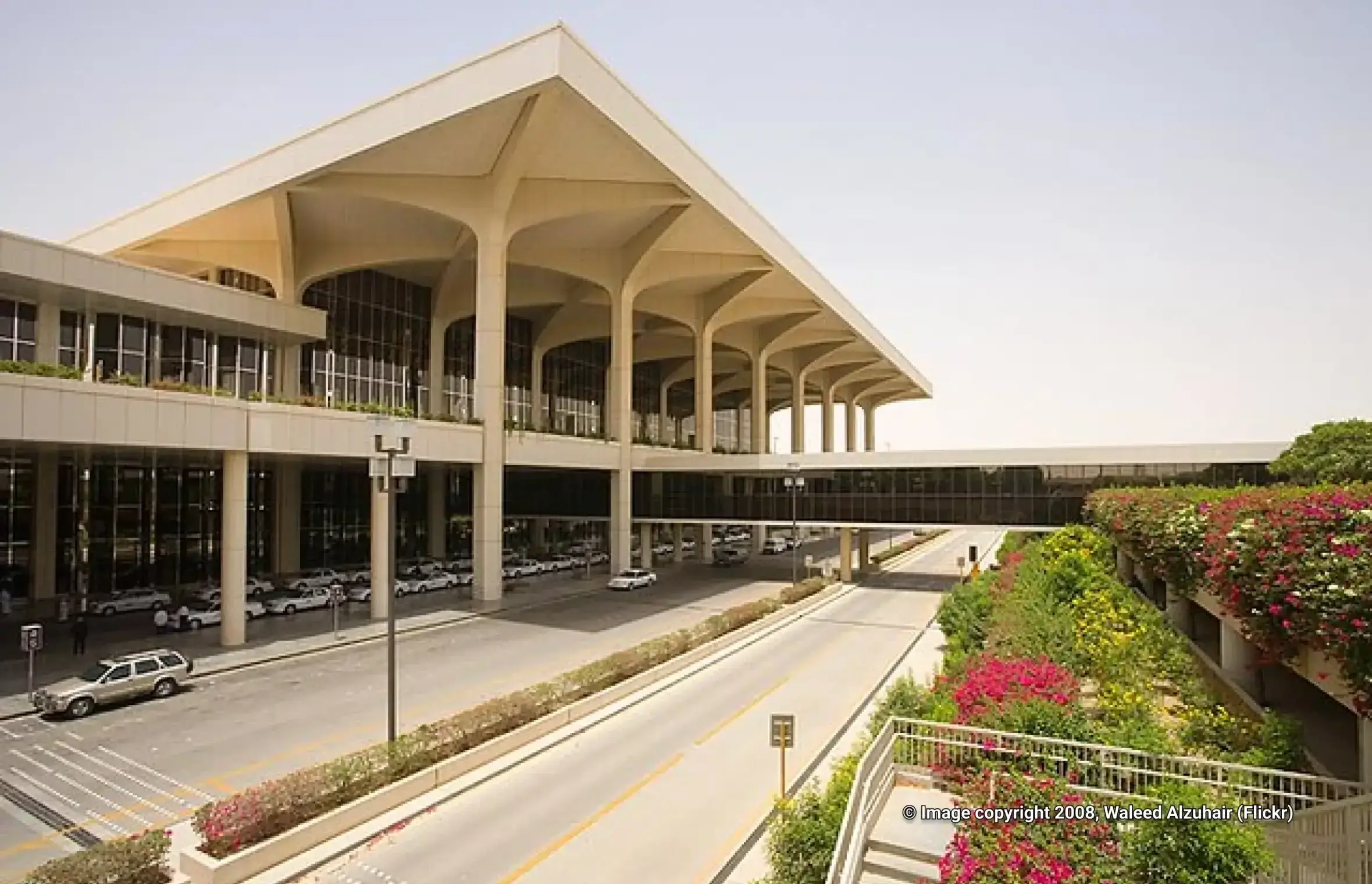
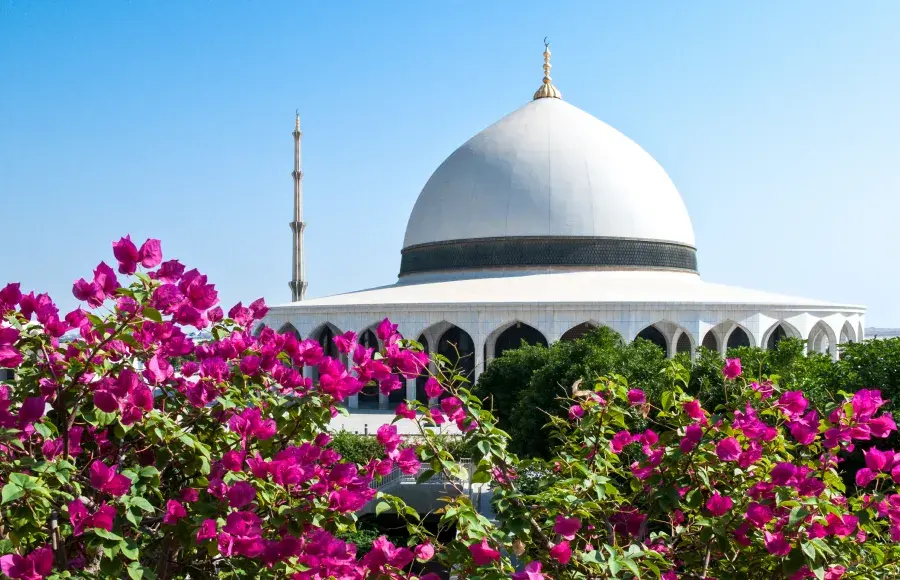
Among the world's largest airports is the King Fahd International Airport, located in Dammam, Saudi Arabia. The airport is massive, covering approximately 776 square kilometres, an area which is larger than many cities. However, only a portion of the total land is currently developed for airport operations.
The airport serves as an important gateway for passengers flying to the Middle East and supports passenger travel, cargo operations, and regional connectivity.
As one of the biggest airports in the world, the King Fahd Airport features a modern passenger terminal, dedicated cargo facilities, aircraft maintenance areas, and extensive runway infrastructure. Besides its massive size, the airport supports countless businesses, tourism, and economic activity in the region, particularly due to its proximity to major industrial centres.
2. Denver International Airport, USA
 Credit: Carrie, Adobe Stock Images
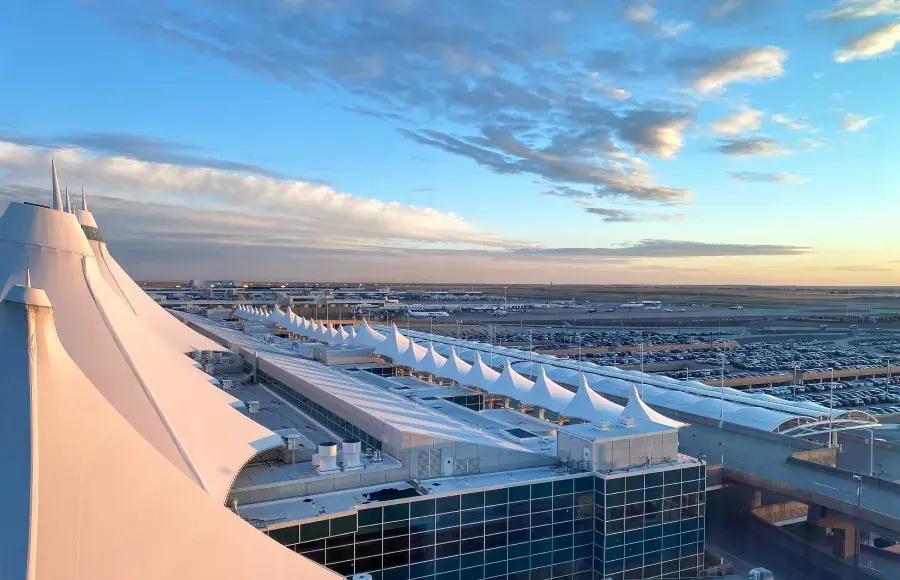
The second largest airport in the world is the Denver International Airport, located in Denver, United States. The airport covers a massive area of approximately 135 square kilometres and was designed keeping long-term goals in focus. It officially began operations in 1995, replacing the former Stapleton International Airport to provide greater capacity and improved operational efficiency.
Securing the second spot in the top 10 biggest airports in the world list is no easy achievement. Besides the six runways arranged to support efficient aircraft movement, the airport features the peaked roof design, inspired by the Rocky Mountains, which has become one of its most recognisable features. On average, the airport handles extensive cargo operations, advanced technology systems, and one of the largest passenger networks in the country. The airport remains a key hub in global aviation.
3. Kuala Lumpur International Airport, Malaysia
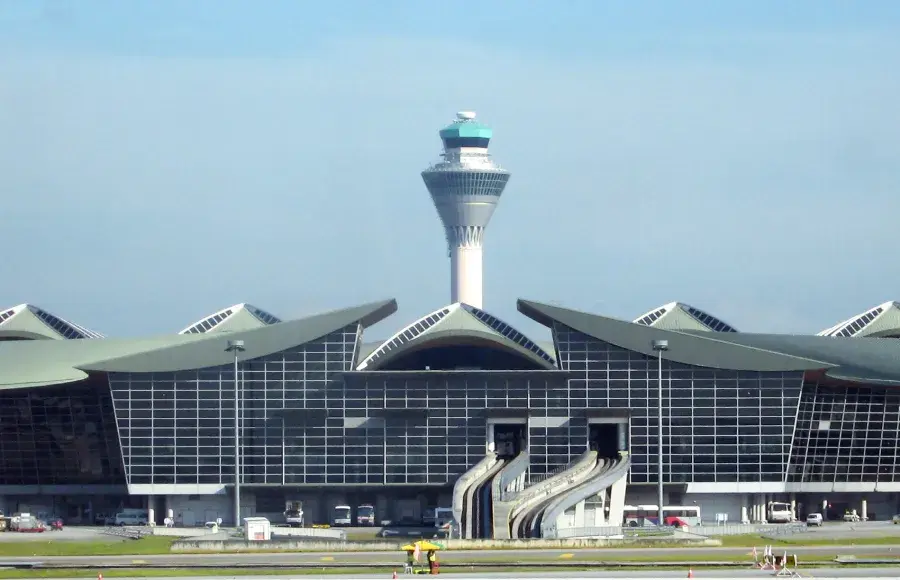
Kuala Lumpur International Airport takes the third spot in the top 10 biggest airports in the world list. The airport is one of Southeast Asia’s largest airports. Spread across Sepand, the airport was developed to support the country’s growing aviation industry and establish Malaysia in the global travel hub list.
As one of the world's largest airports, the airport features modern infrastructure, such as multiple terminals, extensive runways, and advanced passenger facilities. The main terminal of the airport was designed with a focus on integrating technology with nature, featuring large open spaces and landscaped areas.
As the third world's biggest airport, the airport’s strategic location allows it to connect travellers between Asia, Europe, the Middle East, and beyond. The airport’s combination of scale, efficient operations, and international connectivity has helped establish it as one of the most significant aviation centres in the region.
4. Istanbul Airport, Turkey
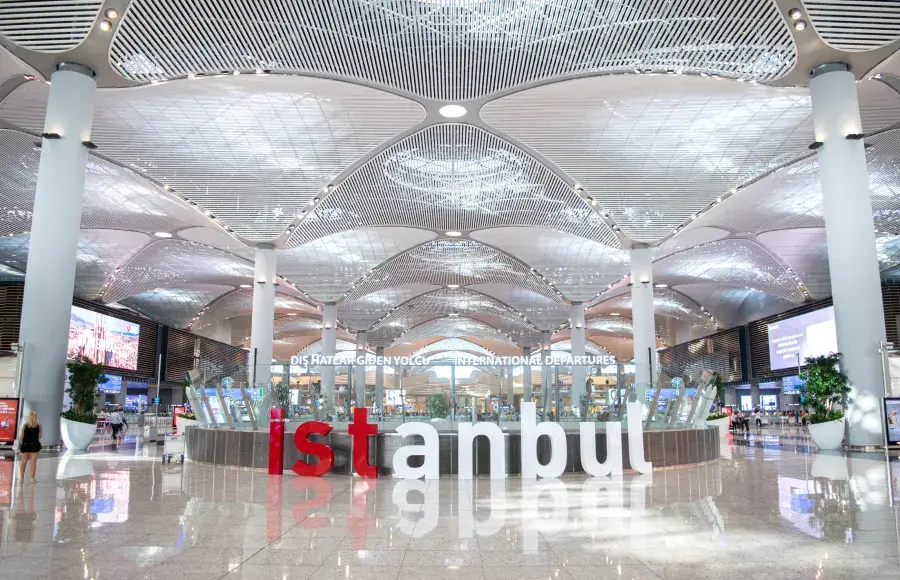 Credit: Nate Hovee, Adobe Stock Images
Istanbul Airport takes the fourth spot in the list of the biggest airports in the world. It is one of the mega airports and a major aviation hub connecting Europe, Asia, and Africa. The airport began operations in 2018 with the ambition of connecting two continents for international travel.
As one of the world's largest airports, it features enormous passenger capacity, modern terminal design, and advanced technology systems. Its standout feature is the main terminal, which is among the largest single-terminal buildings in the world, offering extensive shopping, dining, and passenger services. Additionally, its geographical position allows airlines to operate efficient routes between major global markets.
5. Dallas/Fort Worth International Airport, USA
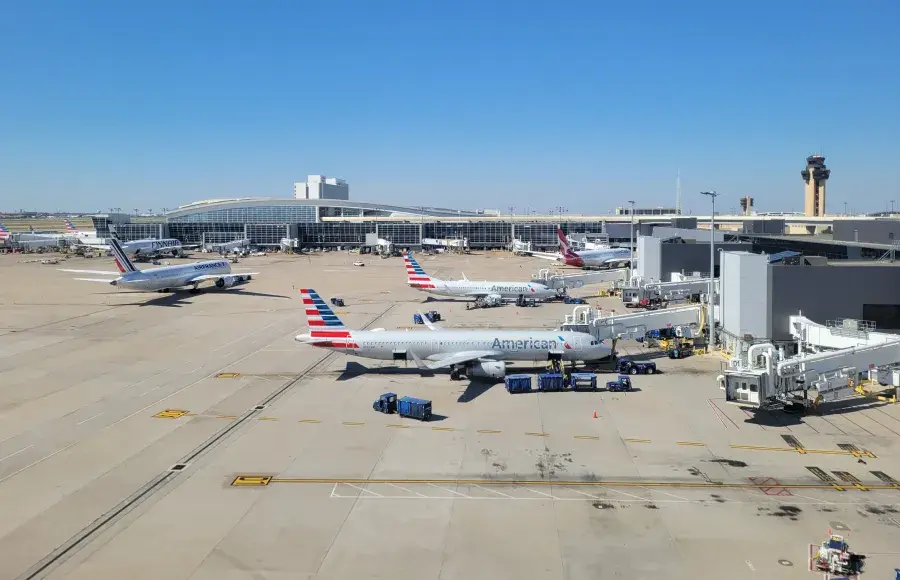 Credit: Nate Hovee, Adobe Stock Images
Dallas/Fort Worth International Airport is the fifth largest airport in the world by size. Located between the cities of Dallas and Fort Worth, the airport covers 69 square kilometres and operates as a major gateway for domestic and international travel. The airport is known for its infrastructure, which features five terminals and multiple runways. Its strategic importance lies in its central location, which serves as an ideal connecting point, particularly for long-distance domestic routes.
Featuring at the fifth spot in the world's biggest airport list, the airport supports millions of passengers every year and connects North America with destinations across Europe, Asia, and Latin America.
6. Washington Dulles International Airport, USA
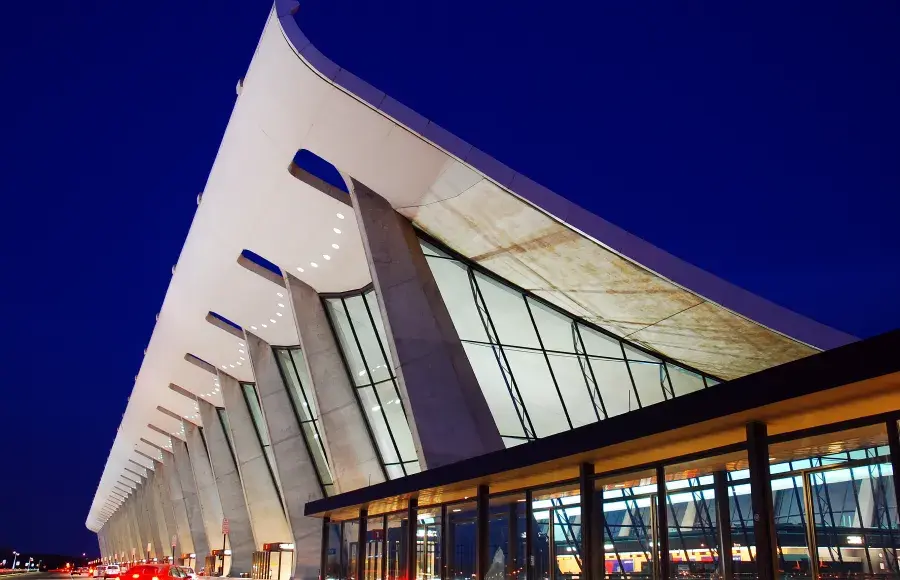 Credit: kirkikis, Adobe Stock Images
Washington Dulles International Airport takes the sixth spot in the list of biggest airports in the world by area. The airport has been operational since 1962 and was designed keeping future aviation growth in mind.
The airport’s standout feature is its iconic main terminal, designed by architect Eero Saarinen, featuring a distinctive curved roof structure. Besides this, the airport’s large size also allows for extensive runway operations, cargo facilities, and scope for future expansion. As the world's biggest airport at number six, the airport plays an important role in international travel, serving as a key hub for flights connecting the United States with Europe, Asia, Africa, and the Middle East. Ultimately, its combination of scale, design, and global connectivity makes it stand out among major international airports.
7. Beijing Daxing International Airport, China
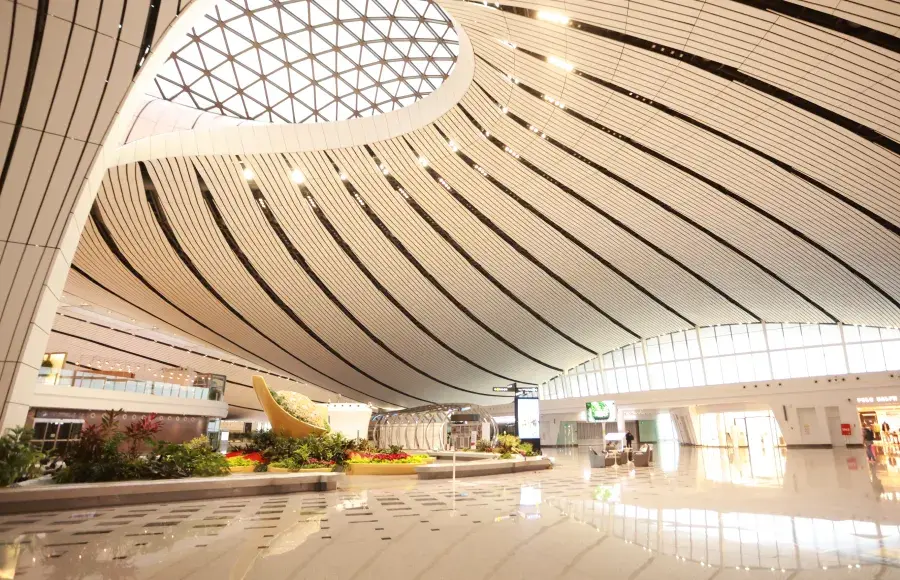 Credit: LT, Adobe Stock Images
The Beijing airport takes the seventh spot in the list of biggest airports in the world. With operations beginning in 2019, the airport is among the most advanced airports and a symbol of China’s rapid aviation growth. The airport’s standout feature is its futuristic star-shaped terminal design, created to reduce walking distances and improve passenger movement. The airport is designed by the famous architect, Zaha Hadid, and features one of the largest single-building airport terminals in the world.
The airport puts heavy emphasis on its technology-driven operations, including automated systems, smart passenger services, and efficient transportation links. With multiple runways and massive passenger capacity, it stands as a major aviation hub while combining size, innovation, and efficiency.
8. Orlando International Airport, USA
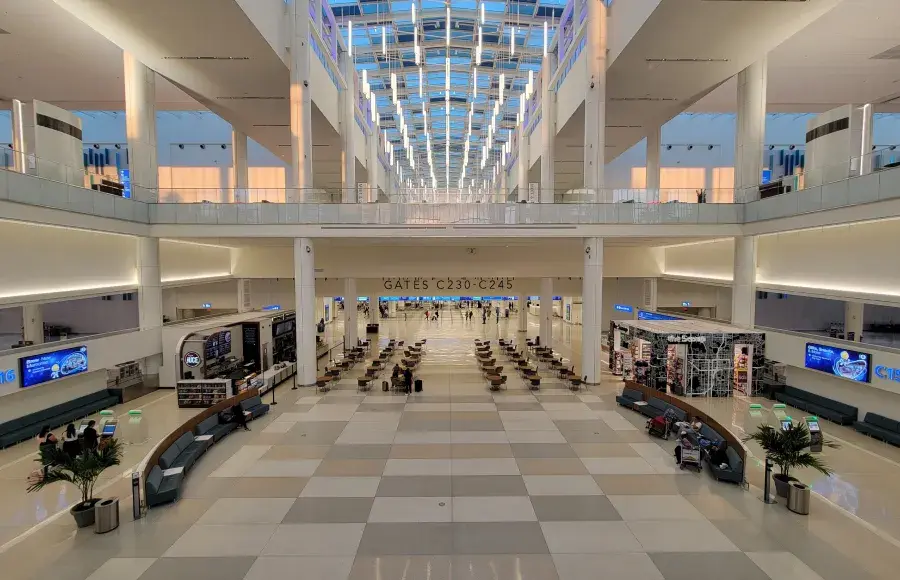 Credit: Nate Hovee, Adobe Stock Images
In the list of largest airports in the world, Orlando International Airport takes the eighth spot. The airport is a major passenger hub, serving not just Orlando’s growing travel demands but also millions of travellers visiting attractions in Central Florida, and connecting the region with domestic and international destinations.
The airport has extensive terminal facilities, multiple runways, and future expansion possibilities. Its central terminal complex is connected to satellite terminals through an automated people mover system, improving passenger movement. Since its operations in 1976, the airport has done an impressive job of handling high volumes of leisure travellers efficiently. Its location near major tourist destinations has made it one of the busiest airports in the US.
9. George Bush Intercontinental Airport, USA
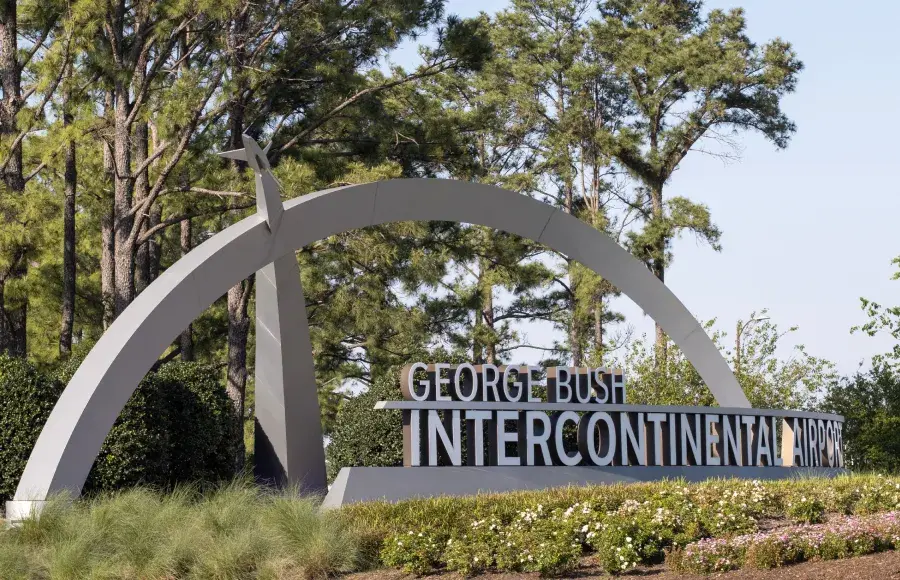 Credit: Tada Images, Adobe Stock Images
George Bush Intercontinental Airport is the largest airport in the world, in the ninth spot. It serves as an important aviation hub for travel to North America, Latin America, and other global regions. With a massive coverage area near Houston, the airport stands out for its five runways and multiple terminals, allowing it to handle a high number of flights efficiently while providing countless opportunities to those seeking cabin crew jobs.
As one of the biggest in the world, the airport features five runways and multiple terminals, allowing it to handle a high number of flights efficiently. The airport’s size, infrastructure, and connectivity make it one of the most significant airports in the United States as well as the world.
10. Shanghai Pudong International Airport, China
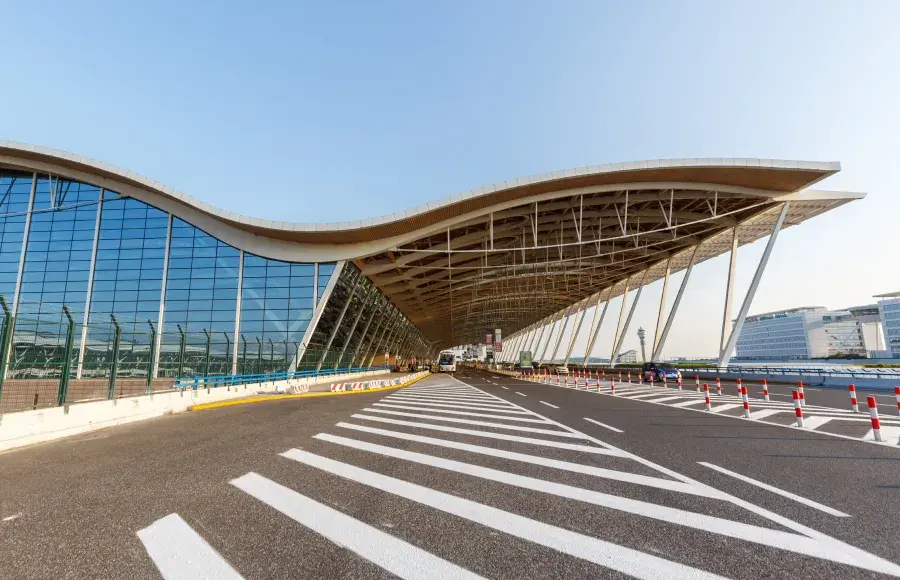 Credit: Markus Mainka, Adobe Stock Images
As one of the biggest airports in the world, the Shanghai Airport serves as a key aviation hub supporting China’s economic growth. With operations starting in 1999, the airport was aimed at handling Shanghai’s increasing international travel and cargo requirements. Because of its size, the airport features multiple modern terminals, runways, and large passenger facilities designed to support millions of travellers annually.
Shanghai Pudong has a critical role to play in connecting China with global markets. Its robust cargo facility has also made it an important freight hub globally. With ongoing expansion and modernisation, the airport continues to strengthen Shanghai’s position as a global aviation centre as well as support countless aviation professionals, such as candidates seeking aircraft maintenance engineer jobs.
Frequently Asked Questions (FAQs)
Q1. What is the difference between the largest and busiest airports?
The difference between the world's biggest airport and the busiest one is that the biggest is ranked by its physical size (land area), while the busiest is ranked by passenger traffic. For instance, Dubai International Airport (DXB) is one of the busiest airports in terms of international passenger traffic, but it is not the largest by land area. Explore our blog to know the different types of airports.
Q2. How do airports manage such large areas?
Airports manage large areas through careful planning and zoning. They often have multiple terminals, runways, and facilities for passengers, cargo, and maintenance. Advanced technology and efficient operational practices are also crucial in managing airport logistics. For example, Denver International Airport (DEN) covers 136 square kilometers and features extensive amenities despite its massive size.
Q3. What amenities can I find at the largest airports?
The largest airports in the world typically offer many amenities, including shopping, dining, lounges, business centers, and entertainment options. Many also have facilities for children, medical services, and transportation options to nearby cities. King Fahd International Airport (DMM) in Saudi Arabia, the largest airport by land area, features a royal terminal, a mosque, and extensive facilities.
Q4. Are there job opportunities at these large airports?
Yes, large airports often provide a variety of job opportunities. These positions are essential for the smooth operation of airport services. Take Atlanta Hartsfield-Jackson International Airport (ATL). It is the world's busiest airport, employs over 63,000 people, and generates $34.8 billion in revenue for the local economy. Explore our blog to discover some of the most beautiful airports to work in and what makes them stand out.
Q5. What impact do large airports have on local economies?
Large airports significantly impact local economies by facilitating tourism, international trade, and business travel. They create jobs, stimulate local businesses, and contribute to infrastructure development. For example, Denver International Airport (DEN) generates over $26 billion annually for the Colorado region.
Enjoying the article?
Follow us and never miss an update on the aviation industry.
Conclusion
The list of the largest airports by land area does not end at ten. If we look at the top 20 biggest airport in the world, some very interesting names come up, such as the George Bush Intercontinental Airport, USA, which covers an area of 44 square kilometers.
Another name in the list of the top 20 biggest airport in the world is the Cairo International Airport and the Dubai International Airport, both serving as important aviation hubs in their region.
As the demand for air travel continues to grow, the largest airports in the world will play an increasingly important role in shaping the future of global connectivity.
As the aviation industry evolves, so will the jobs supporting it, such as pilot jobs. But not just pilots. Cabin crew, aircraft maintenance engineer, and air traffic control jobs will continue to be in high demand as airports strive to keep up with the growing volume of air traffic.